Topics Archives: ADC target

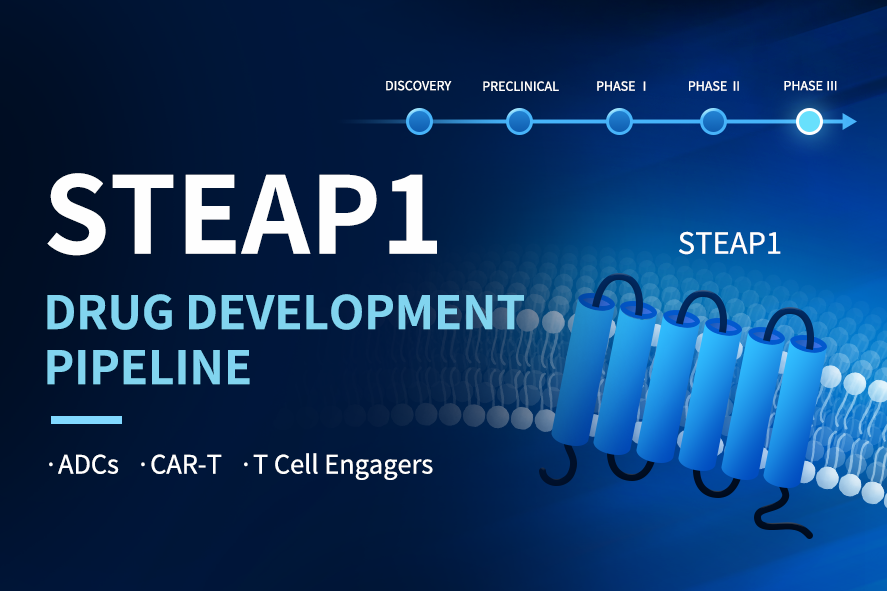
Advances in STEAP1-Targeted Drug Development: T-Cell Engager Enters Phase III as ADC and CAR-T Programs Advance

The first STEAP1-targeted therapy, Xaluritamig, has delivered promising Phase III clinical results, achieving a PSA50 response rate of 59%. Multiple therapeutic modalities,including bispecific ADCs, CAR-T cells, and trispecific T-cell engagers are advancing rapidly and demonstrating strong potential, ushering in a new era of targeted therapy for prostate cancer.
Blog , 2026-07-10

2026 ASCO Target Review (Part I): ADCs

Beyond HER2 and TROP2, emerging targets such as CLDN18.2, B7-H3, FOLR1, and HER3 are rapidly gaining momentum, signaling a shift in ADC development from established targets to a highly competitive multi-target landscape.

Blog , 2026-06-23

HER2 | A Key Target in Solid Tumor Therapy

On November 20, 2024, Jazz Pharmaceuticals announced that the bispecific antibody Zanidatamab had received accelerated approval from the FDA for the treatment of adult patients with previously treated, unresectable, or metastatic HER2-positive (HER2+, defined as IHC 3+) biliary tract cancer (BTC). Zanidatamab is the first approved HER2-targeting bispecific antibody with dual epitope specificity. On December…

Blog , 2025-02-28
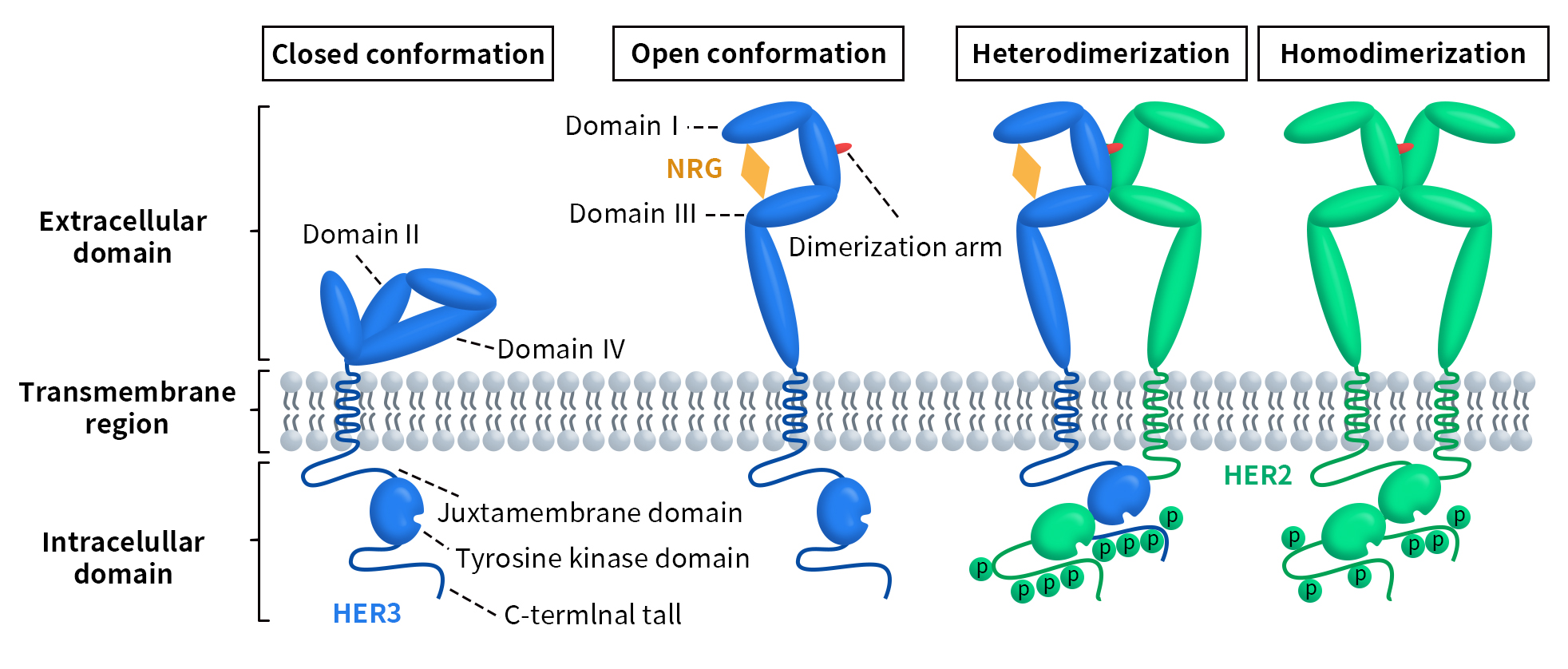
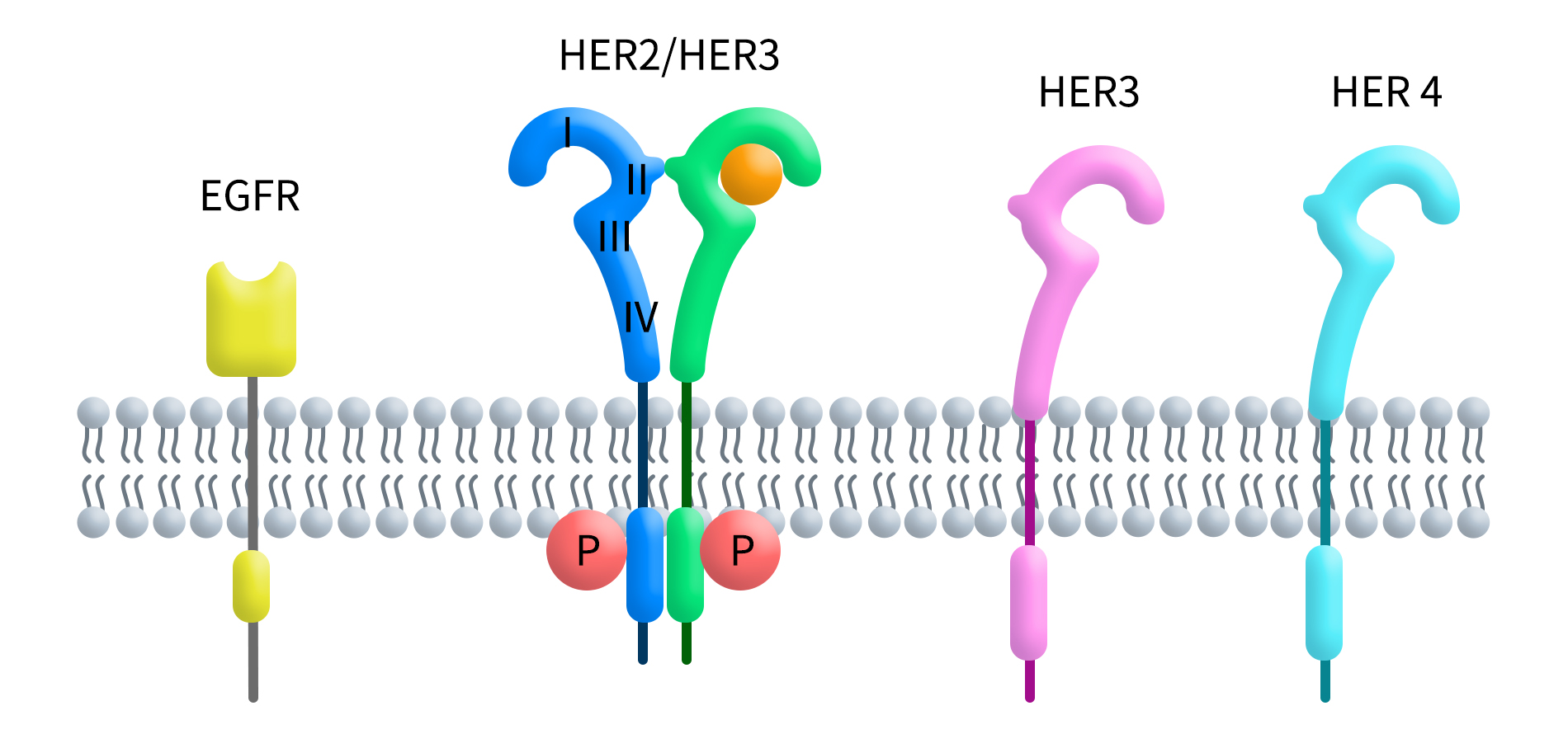
the structural changes and activation of ERBB-HER receptors

HER3/ERBB3: Dominating Cancer Therapy with ADCs and Beyond

On September 17, a collaboration between Daiichi Sankyo and Merck announced that patritumab deruxtecan, a potentially first-in-class antibody-drug conjugate (ADC) targeting HER3, has met its primary endpoint for progression-free survival (PFS) in the Phase 3 lung cancer trial HERTHENA-Lung02. This treatment demonstrated statistically significant improvement compared to platinum-based chemotherapy combined with pemetrexed induction and pemetrexed…

Blog 2024-09-27
the structure of BCMA

Research Progress on Targeting BCMA in Autoimmune Diseases

The B cell maturation antigen (BCMA), a target that gained prominence due to its association with multiple myeloma, has recently shown significant progress in the treatment of autoimmune diseases. On May 10, 2024, a research team led by Wang Wei from the Department of Neurology at Tongji Hospital, Tongji Medical College, Huazhong University of Science…

Blog , 2024-08-26
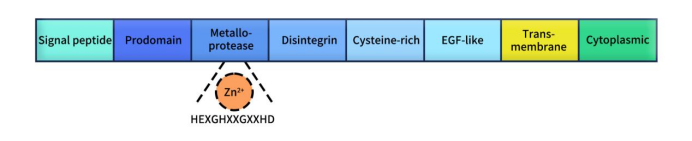
The typical structure of ADAMs

The Fate of ADAM9 ADCs: What Lies Ahead After AbbVie’s Decision?

In March 2024, AbbVie announced its decision to terminate the development of IMGC936 in collaboration with MacroGenics, citing that the clinical phase I trial results did not meet the expected safety and efficacy targets. IMGC936 was an antibody-drug conjugate (ADC) targeting ADAM9, initially developed through a partnership between ImmunoGen and MacroGenics, with each holding a…

Blog 2024-08-01
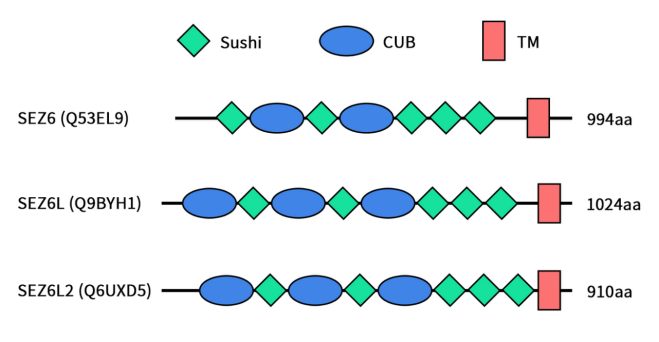
The structures of SEZ6 family

SEZ6 – A Potential Target for ADC Therapy in Small Cell Lung Cancer

Seizure related 6 homolog (SZE6) is a transmembrane protein discovered on the surface of selected neuronal lineage cells. Its expression is limited in normal tissues but highly expressed in small cell lung cancer (SCLC), making it an ideal target for ADC (Antibody-Drug Conjugate) therapy. AbbVie presented early data on their SEZ6 ADC drug, ABBV-706, in…

Blog 2024-07-24
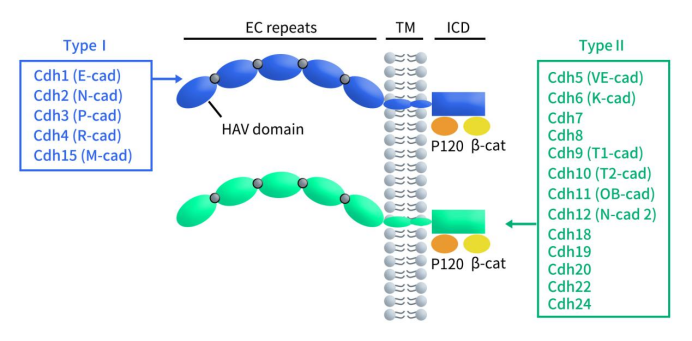
The structure of classical Cadherins

CDH6 ADC: Promising Results for Ovarian Cancer Treatment!

In March 2024, a preclinical study titled “Raludotatug Deruxtecan, a CDH6-Targeting Antibody–Drug Conjugate with a DNA Topoisomerase I Inhibitor DXd, Is Efficacious in Human Ovarian and Kidney Cancer Models” was published in Molecular Cancer Therapeutics. This study demonstrated that Raludotatug Deruxtecan, developed by Daiichi Sankyo, is effective against human ovarian and kidney cancer models. Additionally,…

Blog 2024-07-17
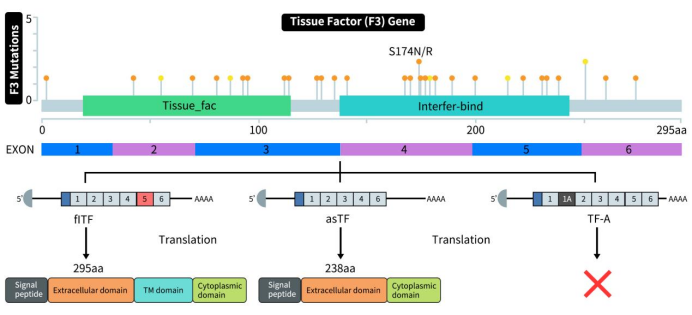
The structure of tissue factor (TF)

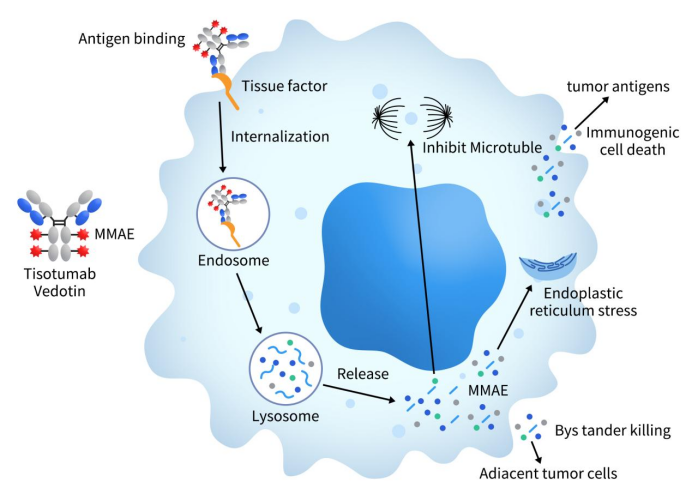
Tissue Factor (TF/CD142) – A Potential New Horizon for Pancreatic Cancer Therapy?

At the 2024 ASCO Annual Meeting, one of the highlights was the MRG004A-001 study conducted by Professor Yu Xianjun’s team, marking a milestone in the exploration of escalating doses of MRG004A, an ADC drug targeting tissue factor TF/CD142. Carried out in the United States and China, the study’s findings are significant. Among 12 evaluated pancreatic…

Blog 2024-07-04
The process of Nectin-4 regulating cancer development through PI3K/AKT pathway and promoting angiogenesis after hypoxia

Nectin-4: A Promising Target in Antibody-Drug Conjugate (ADC) Therapy

During the 2024 ASCO conference, Professor Zhang Jian of Fudan University’s Cancer Hospital unveiled the Phase I/II clinical trial outcomes for 9MW2821, an ADC drug targeting Nectin-4, designed to combat advanced solid tumors. The drug demonstrated promising results, particularly in treating urothelial carcinoma, cervical cancer, esophageal cancer, and triple-negative breast cancer. Concurrently, CSPS showcased their…

Blog 2024-06-13

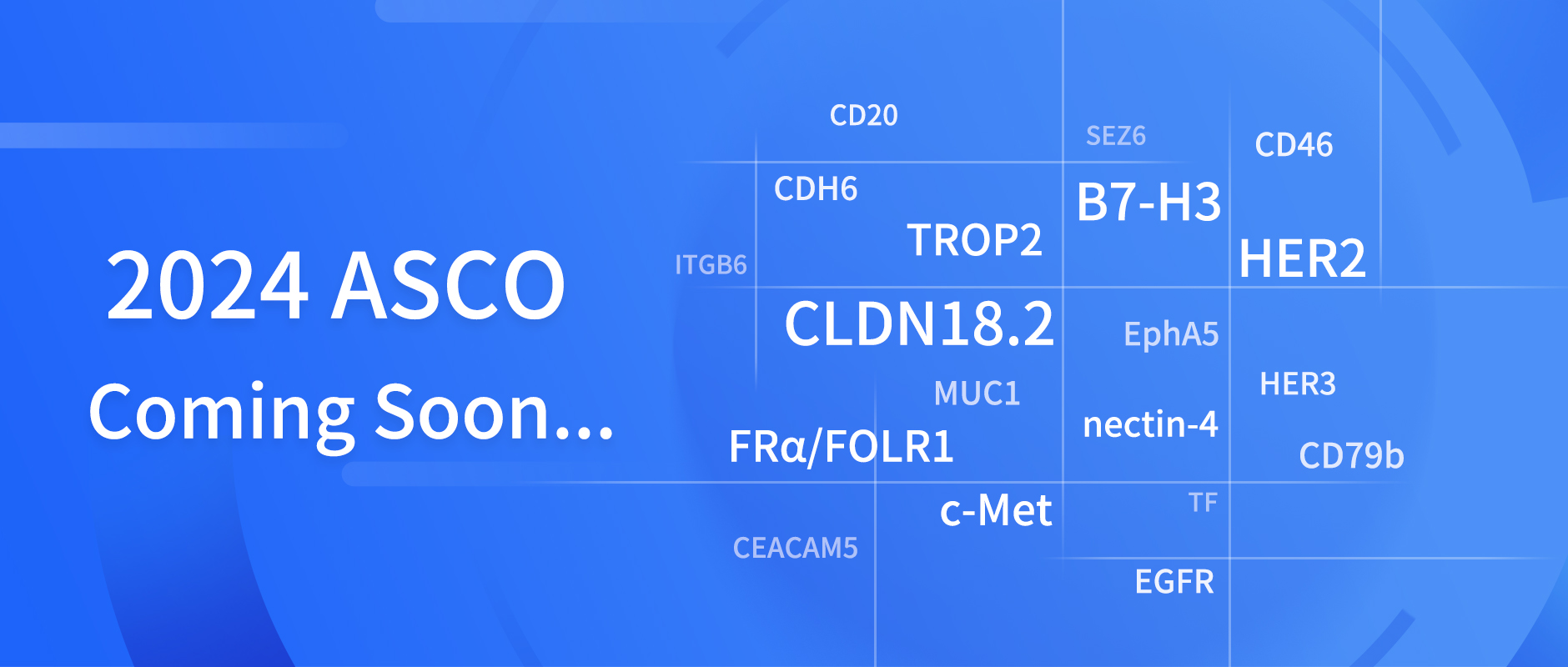
Emerging Trends: ADC Drug Targets to Watch at ASCO 2024

The 2024 American Society of Clinical Oncology Annual Meeting (ASCO 2024) will take place in Chicago, USA, from May 31st to June 4th. As a major event in the cancer treatment community, it will reveal many important clinical research outcomes and the latest innovations. Antibody-drug conjugates (ADCs), which cleverly combine targeted antibody therapies with powerful…

Blog 2024-05-23
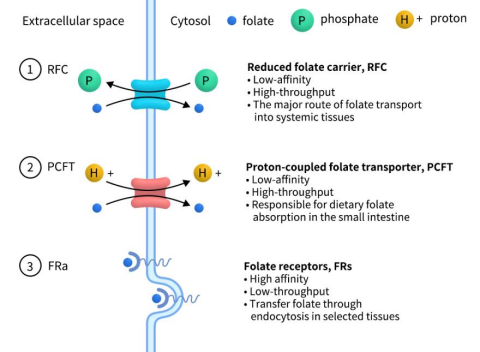
Three types of Folate transporter

FRα/FOLR1 – Another Anti-cancer Target Fueled by the ADC

Folate receptor alpha (FRα), due to its differential expression in various tumor or cancer tissues compared to normal tissues, is considered an ideal druggable target. In the past, pharmaceutical companies have ventured into developing FRα-targeted therapies, including small molecule conjugates and monoclonal antibody drugs like Morphotek’s humanized monoclonal antibody farletuzumab, and Endocyte’s small molecule conjugate…

Blog 2024-05-15
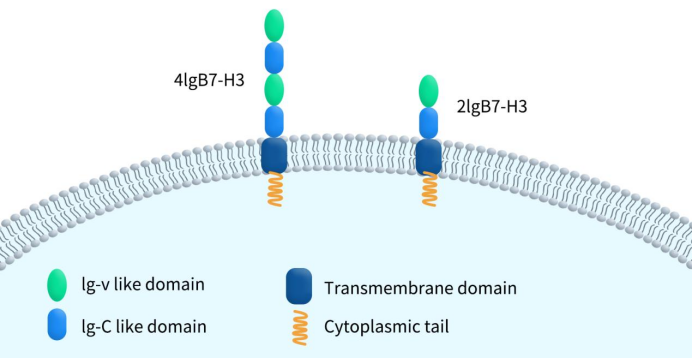
The structure of B7-H3 (transmembrane isoform)

Immune Checkpoint B7-H3: Exploring the Current Landscape of Targeted Therapies

In December 2023, GlaxoSmithKline (“GSK”) invested $1.71 billion to obtain the global exclusive rights for the development, production, and commercialization of HS-20093 from HANSON PHARAM (excluding mainland China, Hong Kong, Macau, and Taiwan). HS-20093 is a novel B7-H3 targeted antibody-drug conjugate (ADC) developed independently by HANSON PHARAM. Similarly, in April 2024, Macrogenics’ stock price surged…

Blog 2024-05-09
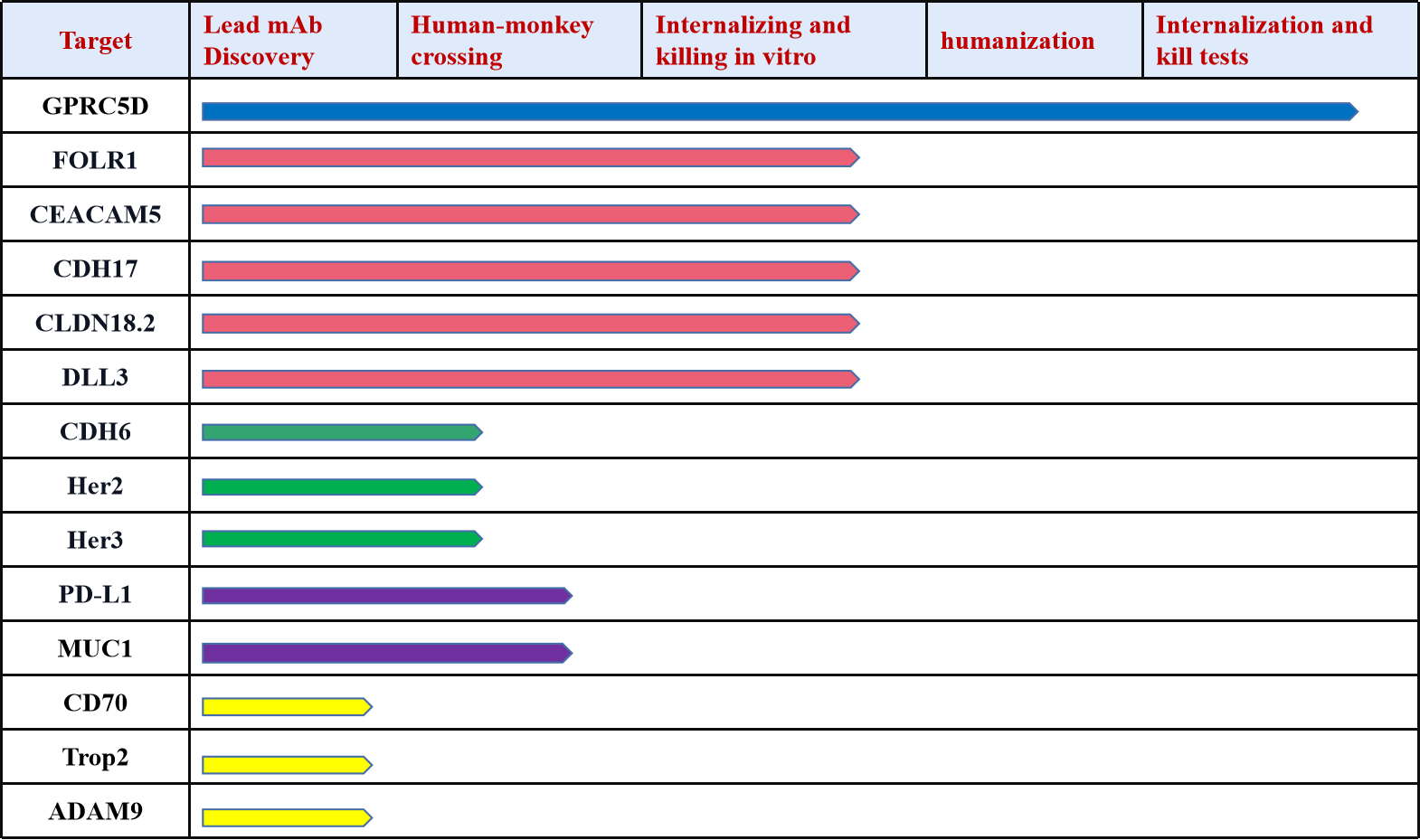
DIMA’s progress in popular ADC target projects

Navigating the ADC Frontier: Unleashing the Magic of Antibody-Drug Conjugates

Antibody-drug conjugates (ADCs) have been one of the hottest areas in the biopharmaceutical industry in recent years. Pharmaceutical giants such as Pfizer, AbbVie, AstraZeneca, and Merck are investing billions of dollars in breakthrough technologies targeting cancer treatment. According to the latest report from the market intelligence company Evaluate, in 2023, the total value of ADC-focused…

Blog 2024-04-30
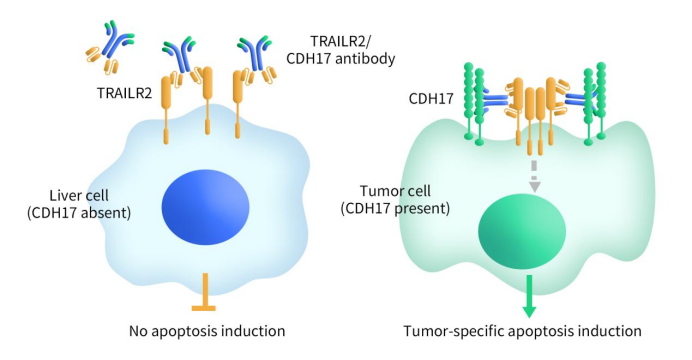
The mechanism of BI905711

CDH17: A Target for Diverse Solid Tumor Therapies—Will It Lead to Significant Breakthroughs in Cancer Treatment?

In March 2022, a study published in Nature Cancer highlighted Cadherin 17 (CDH17) as an ideal target for chimeric antigen receptor (CAR) T-cell therapy in gastrointestinal tumors (including gastric cancer, pancreatic cancer, and colorectal cancer) and neuroendocrine tumors (NETs). CDH17 swiftly gained attention across major news platforms, providing fresh insights into tumor-associated antigens and the…

Blog 2024-04-19
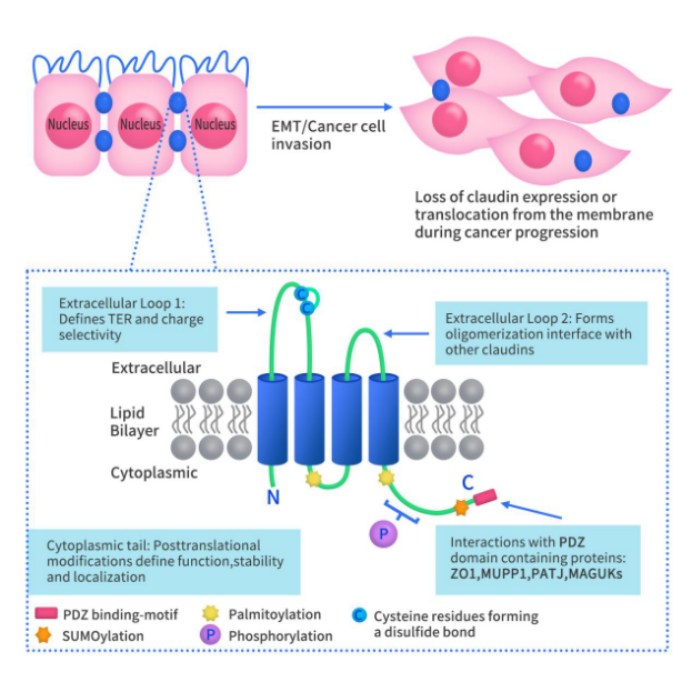
The structure of Claudin proteins enables the Claudins tight protein family to effectively maintain the polarity of epithelial and endothelial cells.

Tumor Immune Target – Claudin18.2/CLDN18.2

Since Ganymed unveiled the efficacy data of Zolbetuximab (IMAB362), the anti-Claudin18.2 monoclonal antibody, for the treatment of advanced gastric and gastroesophageal junction adenocarcinoma (GC/GEJ) at the 2016 ASCO conference, Claudin18.2 has emerged as a focal point for pharmaceutical companies eager to advance therapeutic options. These companies explore various technological routes, including monoclonal antibodies, bispecific antibodies,…

Blog ,, 2024-04-18
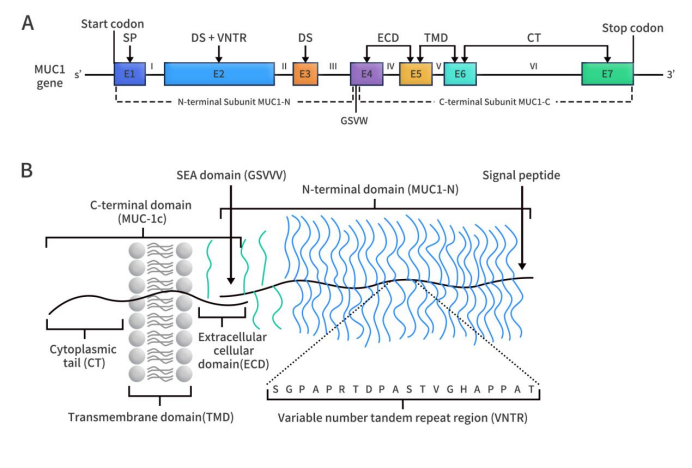
The structure of MUC1 gene (A) and protein (B)

MUC1 – What is its Potential in Cancer Therapy?

Mucin1 (MUC1), also known as MAM6 and EMA, is a surface mucin glycoprotein found to be highly expressed in epithelial-derived tumor tissues, such as lung cancer, pancreatic cancer, prostate cancer, epithelial ovarian cancer, and breast cancer. Its expression has been correlated with tumor metastasis and recurrence. Currently, MUC1 has attracted the attention of several pharmaceutical…

Blog 2024-03-25
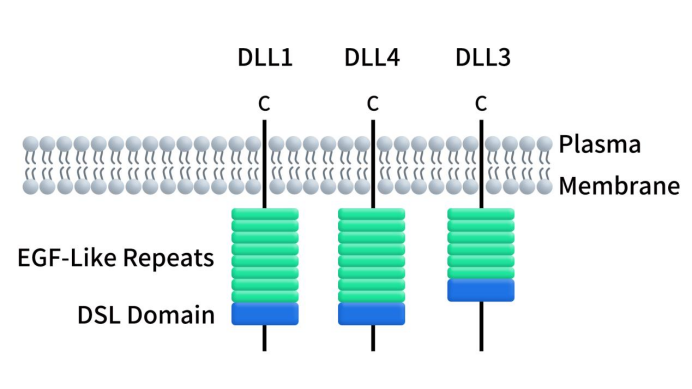
The structure of DLLs

DLL3 – A Target for Small Cell Lung Cancer Treatment

When it comes to DLL3, people immediately think of Rova-T, the ADC drug targeting the DLL3 receptor that dashed AbbVie’s $5.8 billion expectations. AbbVie’s setback had once caused a decline in the enthusiasm for DLL3-targeted treatments. However, the spotlight returned when Amgen unveiled the DLL3/CD3 bispecific antibody Tarlatamab data at the 2023 ESMO conference. On…

Blog , 2024-03-07

2023 ASH | Exploring Advances in Clinical Research on GPRC5D Targeted Drugs

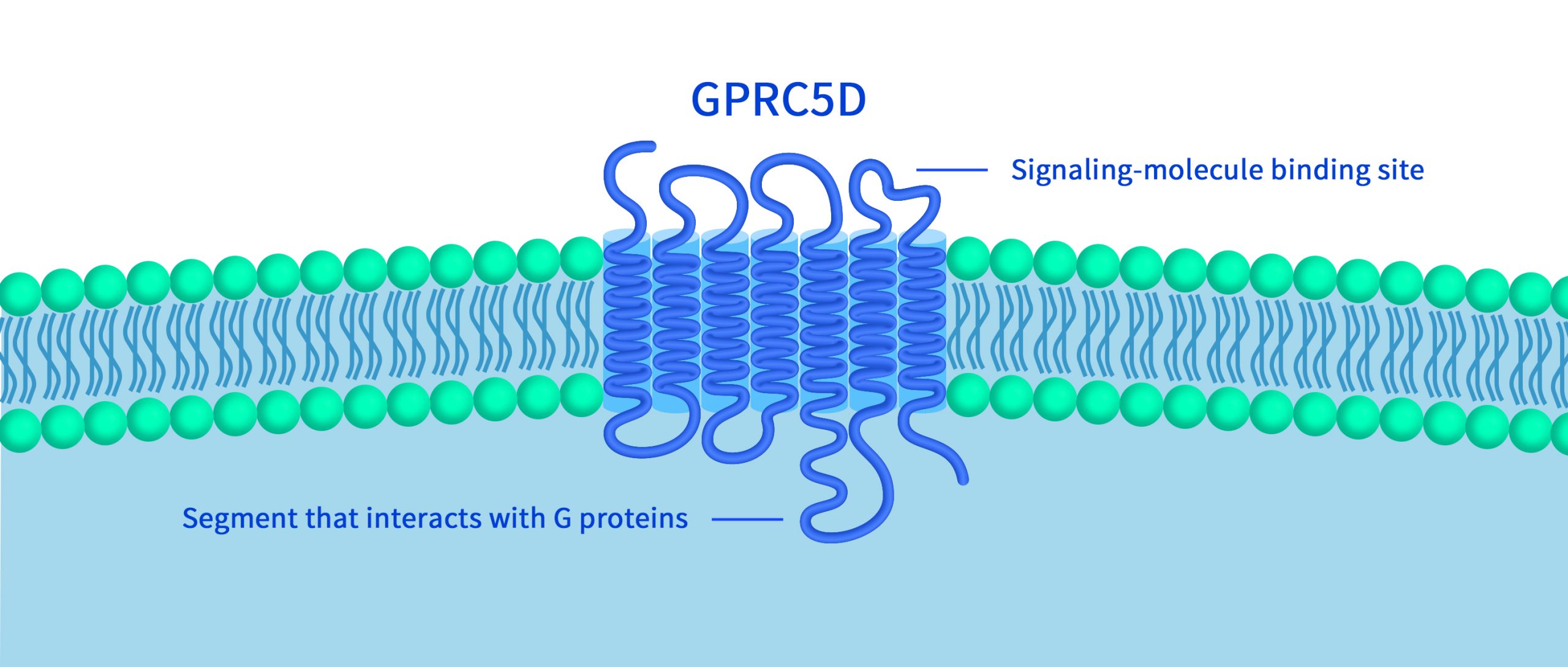
GPRC5D, identified as a G protein-coupled orphan receptor, demonstrates limited expression in normal tissues.

Blog , 2024-01-04

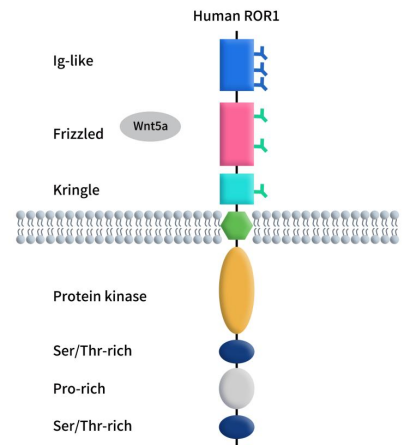
Latest Research Progress on ROR1

Identifying targets that are expressed on tumor cells but not or lowly expressed in normal cells is crucial for tumor immunity. ROR1 is a highly promising drug target, exhibiting differentiated high expression in various solid tumors and hematologic malignancies, while not expressing in adult healthy tissues. This suggests that ROR1 holds the potential to become…

Blog 2023-12-29
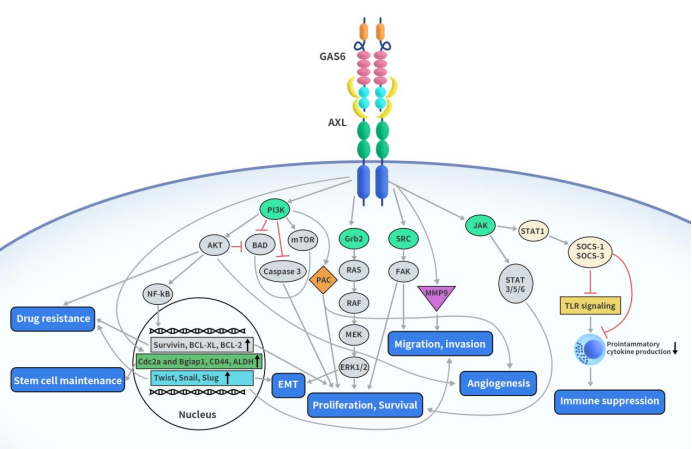
AXL activation initiates the signal transduction of various downstream pathways, such as PI3K/AKT, MAPK/ERK, and PKC.

Can AXL Break Through in Tumor Immunotherapy with Setbacks in AXL-ADC?

At the end of 2020, Genmab and ADC Therapeutics announced the termination of clinical development for Enapotamab vedotin and ADCT-601, respectively, due to their failure to meet expected outcomes in early trials. Both drugs were antibody-drug conjugates (ADCs) targeting AXL. Enapotamab vedotin was coupled with the microtubule inhibitor MMAE, while ADCT-601 was coupled with the…

Blog 2023-12-26
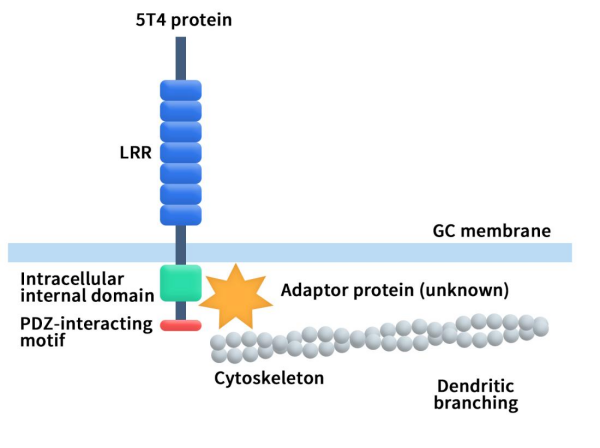
The structure of the 5T4 protein includes an extracellular region, a transmembrane domain (356-376 aa), and an intracellular domain,

Unlocking Multiple Biologic Therapeutic Avenues with 5T4 – A Solid Tumor Target

The 5T4 protein, also known as Wnt-activated inhibitory factor 1 (WAIF1) or Trophoblast Glycoprotein (TPBG), is a glycoprotein found in embryonic trophoblast cells. It has been identified as a treatment target for solid tumors due to its abundance in cancerous tissues and limited expression in normal tissues. Currently, there are approximately nine investigational drugs targeting…

Blog , 2023-12-07
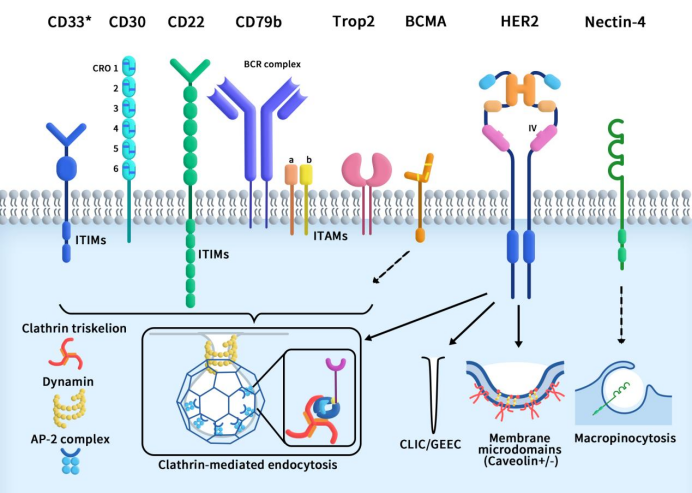
Collection of endocytosis pathways utilized by the target antigens for the currently approved ADCs

Unlocking the Secrets of Antibody-Drug Conjugates: Inside the World of Antibody Internalization

Antibody-drug conjugates (ADCs) mainly consist of monoclonal antibodies, linkers, and cytotoxic payloads. The antibody, acting as the “missile” in ADC drugs, possesses target-specific functionality. It can selectively recognize tumor cell surface antigens, undergo internalization upon binding to these antigens, and deliver the cytotoxic payload to tumor cells to exert its toxic effects. Since not all…

Blog ,, 2023-11-27
The TROP2 protein comprises four distinct segments, including 323 amino acids: 1-26 amino acids as a hydrophobic signal peptide, 27-274 amino acids as the extracellular domain, 275-297 amino acids as the transmembrane domain, and 298-323 amino acids as the cytoplasmic tail.

Advances in TROP2-ADC Drug Research

Tumor-Associated Calcium Signal Transducer 2 (TROP2), also known as TACSTD2 and EGP-1, is a surface antigen found in numerous solid tumors. It has become a pivotal target for pharmaceutical giants spurring a race in drug development in the world. Currently, TROP2-targeting biopharmaceuticals are predominantly concentrated in the Antibody-Drug Conjugate (ADC). Based on incomplete statistics, there are 11 TROP2-targeting…

Blog 2023-11-10
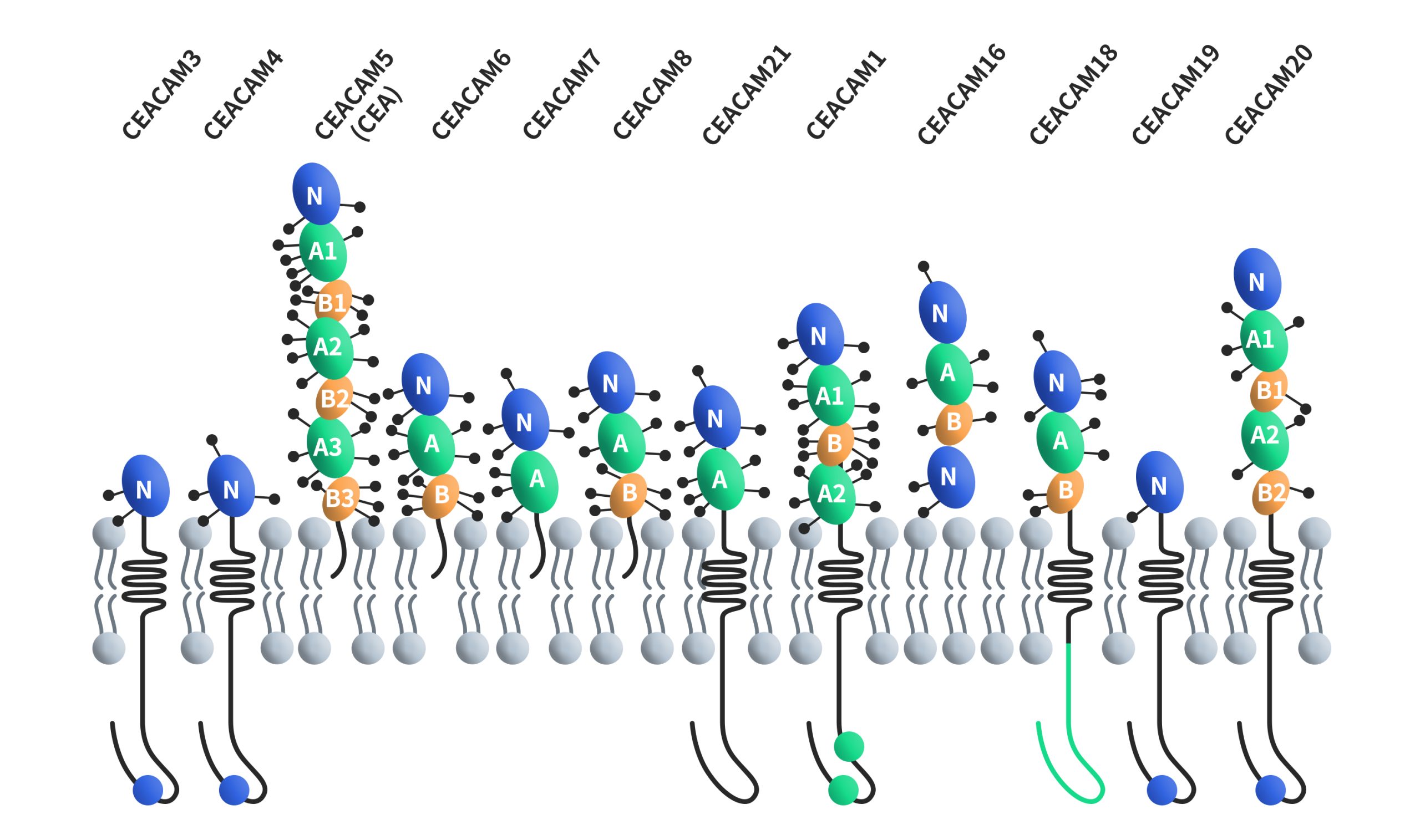
CEACAMs, short for carcinoembryonic antigen-related cell adhesion molecules, constitute a family of cell surface glycoproteins encompassing 12 distinct members: CEACAM1, CEACAM3, CEACAM4, CEACAM5, CEACAM6, CEACAM7, CEACAM8, CEACAM16, CEACAM18, CEACAM19, CEACAM20 and CEACAM21. These proteins are classified within the immunoglobulin superfamily of adhesion molecules, and they share structural similarities with unique variations.

CEACAM5, an emerging target for cancer therapy

Human carcinoembryonic antigen-related cell adhesion molecule 5 (CEACAM5), initially discovered in colon cancer by Gold and Freeman in 1965 [1] [2], has long served as a pivotal tumor marker for clinical detection and diagnosis of colorectal cancer. Recent advancements in CEACAM5 research have unveiled its potential as a target for developing novel cancer therapeutics. Notably,…

Blog 2023-09-19
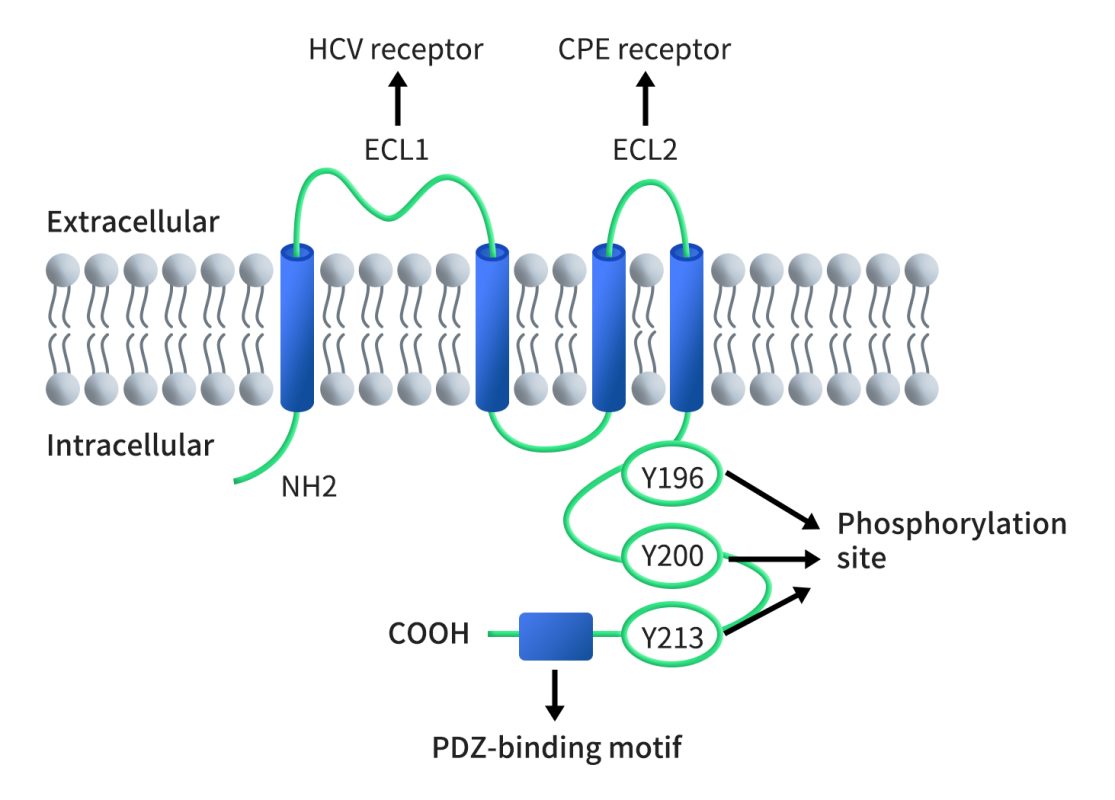
CLDN6 has four transmembrane domains, a short cytoplasmic N-terminus, a C-terminal cytoplasmic domain, two extracellular domains (larger ECL1 and a smaller ECL2) and a short intracellular loop. ECL1 and the PDZ-binding domain at the cytoplasmic C-terminus are characteristic domains of CLDNs.

CLDN6, the next promising target for solid tumor therapy after ClDN18.2?

In June 2023, BioNTech presented the first human trial data of BNT211 at the American Society of Clinical Oncology (ASCO). BNT211 is a CLDN-6-targeting CAR-T cell therapy in combination with a CLDN6-encoding mRNA vaccine (CARVac). mRNA vaccines stimulate the expansion of CAR-T cells in the patients’ body by inducing the expression of CLDN6 on the surface of antigen-presenting cells,…

Blog ,, 2023-08-17