
Category Archives: Blog

From “Immuno-Oncology Star” to Technology Race A Comprehensive Overview of PD-1 Targeted Drug Modalities

Over the past year, the PD-1 immunotherapy landscape has once again witnessed intensive progress. From multiple anti–PD-1 monoclonal antibodies achieving Phase III success in new indications to the rapid emergence of bispecific antibodies and increasingly sophisticated combination regimens that continue to push efficacy boundaries, PD-1–targeted therapies remain firmly positioned at the core of cancer immunotherapy.
This article provides a systematic overview of the global PD-1 development landscape, major drug modalities, and the latest clinical advances, helping readers understand where PD-1 targeted therapies currently stand in the evolving immuno-oncology ecosystem.

Blog 2025-12-29

From Monoclonal Antibodies to ADCs A Comprehensive Landscape of PD-L1 Targeted Therapeutic Strategies

Between 2024 and 2025, Programmed Death-Ligand 1 (PD-L1) targeted therapies have once again become a focal point in global cancer immunotherapy. On one hand, PD-L1 based bispecific antibodies, such as PD-L1xVEGF and PD-L1xCTLA-4, have continued to release encouraging mid to late stage clinical data in lung cancer, hepatocellular carcinoma, and gastric cancer, demonstrating efficacy that may surpass traditional monoclonal antibodies. On the other hand, as first-generation PD-L1 monoclonal antibodies, including Atezolizumab, Durvalumab, and Avelumab, approach patent expiration, pharmaceutical companies worldwide are accelerating efforts toward differentiated innovation.
PD-L1 is no longer viewed merely as a standalone drug target. Instead, it has emerged as a central hub for immune combination therapies and multifunctional molecular designs, fundamentally reshaping the R&D landscape of PD-L1 targeted drugs.

Blog 2025-12-29

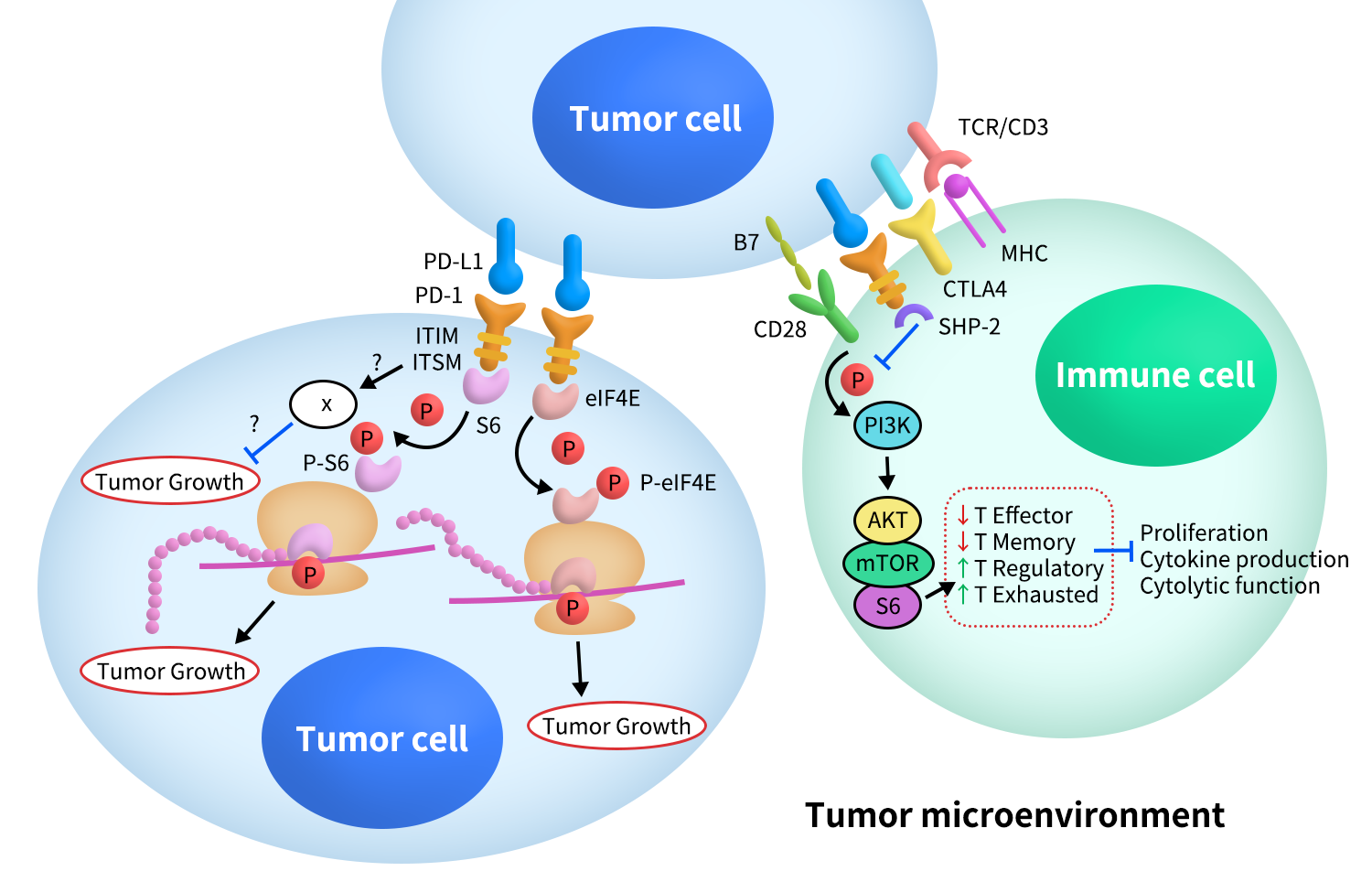
PD-1/PD-L1 Target: The Core Pathway of Tumor Immune Checkpoints

Henlius Biotech’s innovative anti-PD-L1/VEGF bispecific antibody HLX37 has received approval for clinical trials by the China NMPA, marking a significant development in immuno-oncology. This dual-target antibody combines immune checkpoint inhibition and anti-angiogenesis, enhancing the synergy between immunotherapy and tumor microenvironment modulation. It underscores the growing influence of domestic biologics in the global immuno-oncology landscape and highlights the need for a deeper understanding of the PD-1/PD-L1 pathway’s structure, regulation, and signaling mechanisms for overcoming resistance and improving precision treatment strategies.

Blog 2025-12-29

PD-1 vs PD-L1: Biological Logic and Clinical Trade-Offs Along the Immune Checkpoint Axis

In recent years, immunotherapy targeting the PD-1/PD-L1 axis has rapidly evolved, moving beyond first-generation monoclonal antibodies to include PD-1/VEGF bispecific antibodies, PD-L1 ADCs, and various combination strategies. Clinical development and capital markets are shifting upstream, with landmark transactions like SSGJ-707 highlighting the commercial value of immune checkpoint inhibitors. Key industry insight: differentiation and long-term success depend not on pursuing immuno-oncology, but on choosing the right target and approach. Understanding the biological rationale and clinical implications of PD-1 versus PD-L1 targeting requires a deep dive into the signaling pathway itself.

Blog 2025-12-29

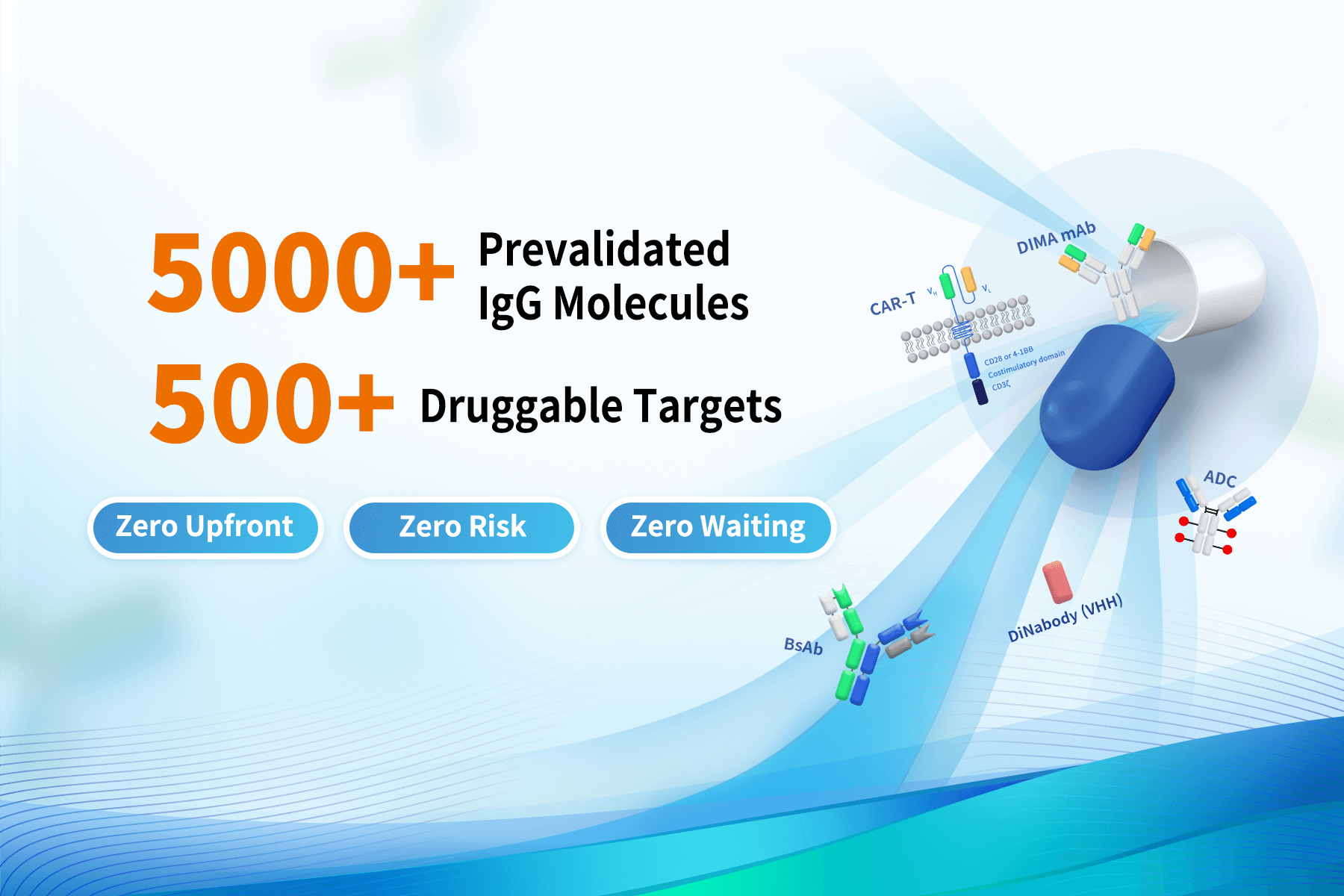
Antibody Sequence Transfer & Licensing:The Real Accelerator That Turns Your Pipeline From Months to Days

In antibody drug development, early discovery is often the most time-consuming stage. Immunization, screening, validation, and sequence processing can delay a project by weeks or even months, affecting program initiation, partnership timing, and competitive positioning.

Blog 2025-12-15

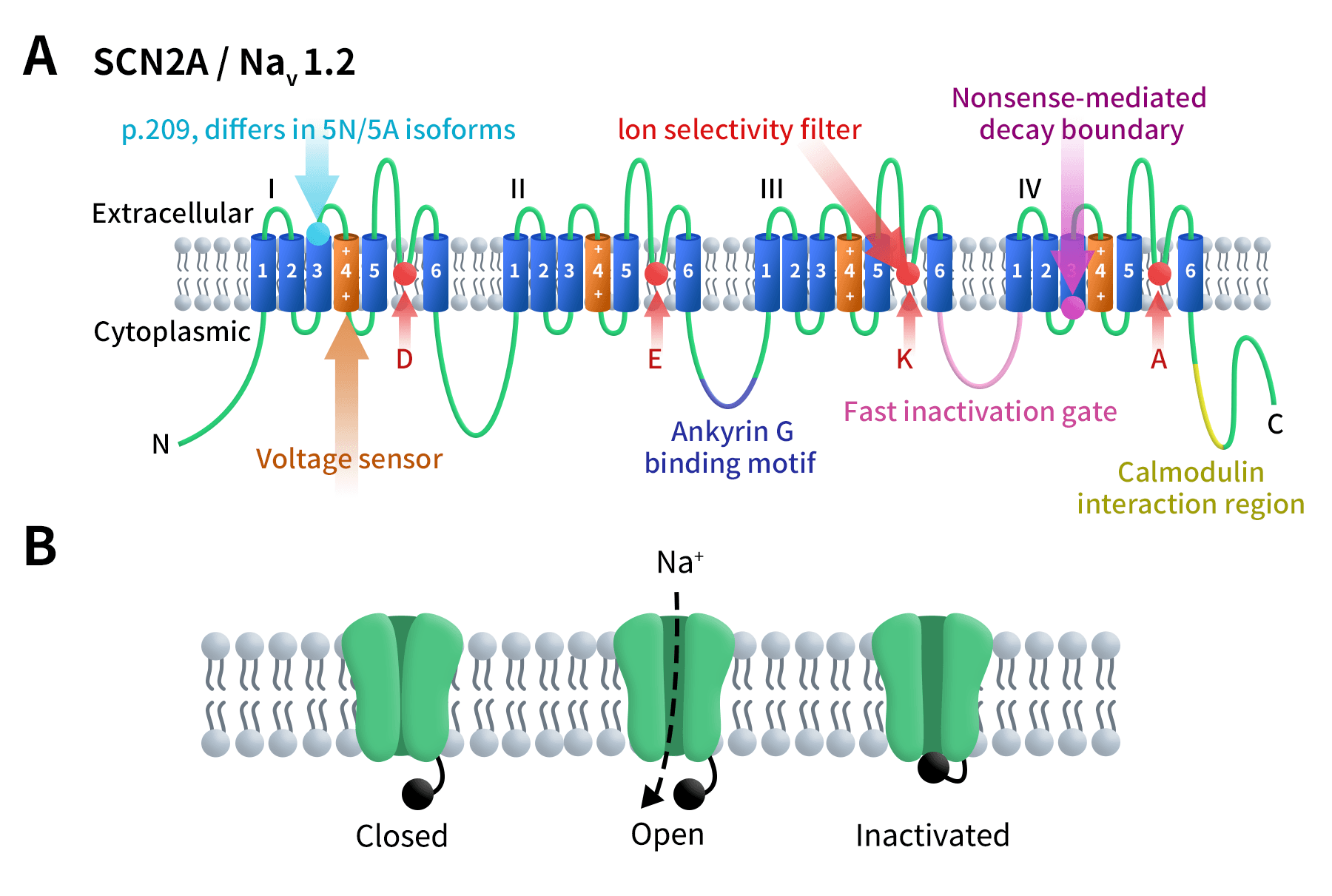
SCN2A: Molecular Mechanisms, NaV1.2 Function, and Precision Therapeutic Strategies for Early-Onset Epilepsy
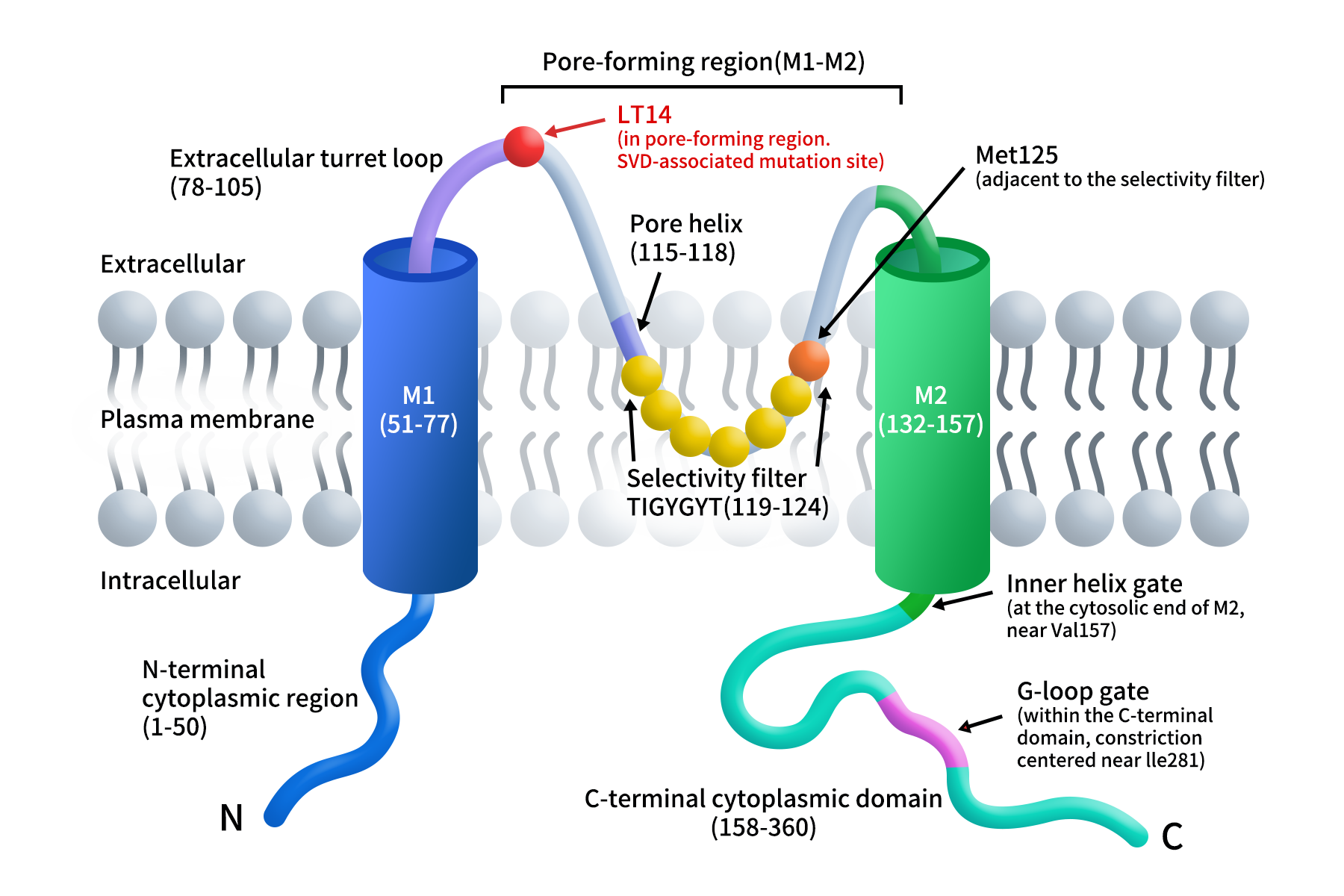
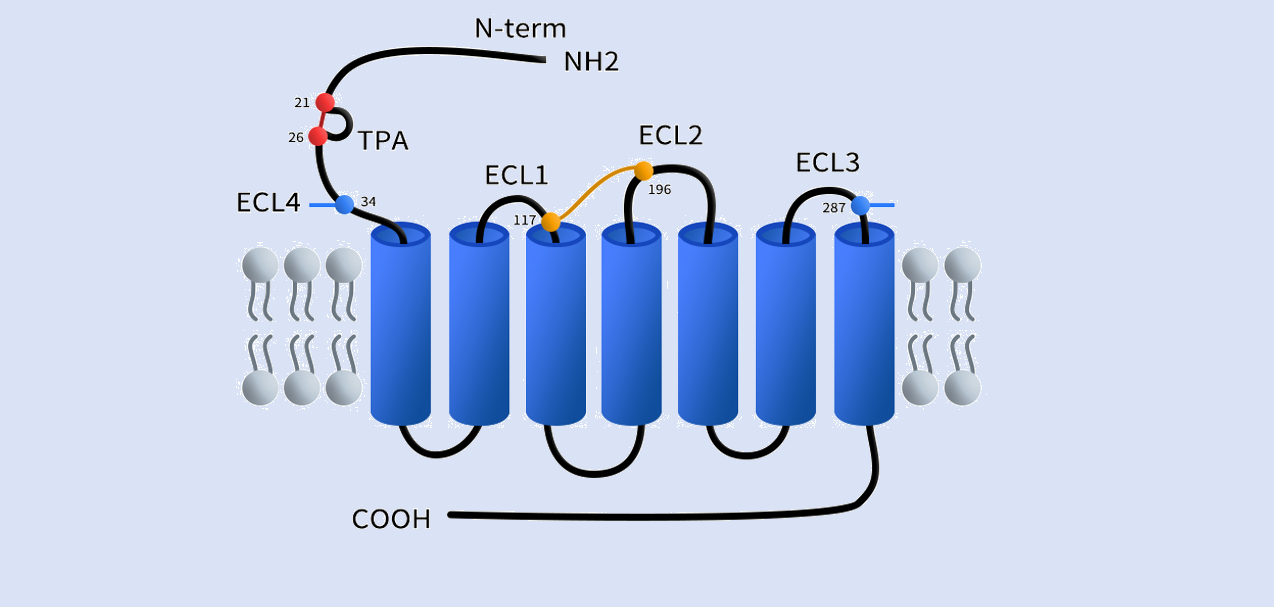
In April 2025, a clinical case report in Nature Medicine offered groundbreaking evidence for precision therapeutics targeting SCN2A. The study described a neonate with early-onset, drug-resistant epilepsy caused by a gain-of-function (GoF) SCN2A mutation—encoding the α-subunit of the voltage-gated sodium channel NaV1.2. Following intrathecal administration of elsunersen, an SCN2A-targeting antisense oligonucleotide (ASO), the patient experienced a marked reduction in seizure frequency and showed early neurological improvement.

Blog 2025-12-11

November Biopharma BD Highlights: Key M&A and Licensing Deals in 2025

In November 2025, business development (BD) activities in the biopharmaceutical industry slowed slightly compared with October, yet the month still delivered several high-value and strategically important deals. Overall, November’s BD landscape can be summarized by two major themes: large-scale M&A and high-impact licensing agreements. Global pharma companies pursued acquisitions to strengthen pipelines in rare diseases, […]

Blog 2025-12-08

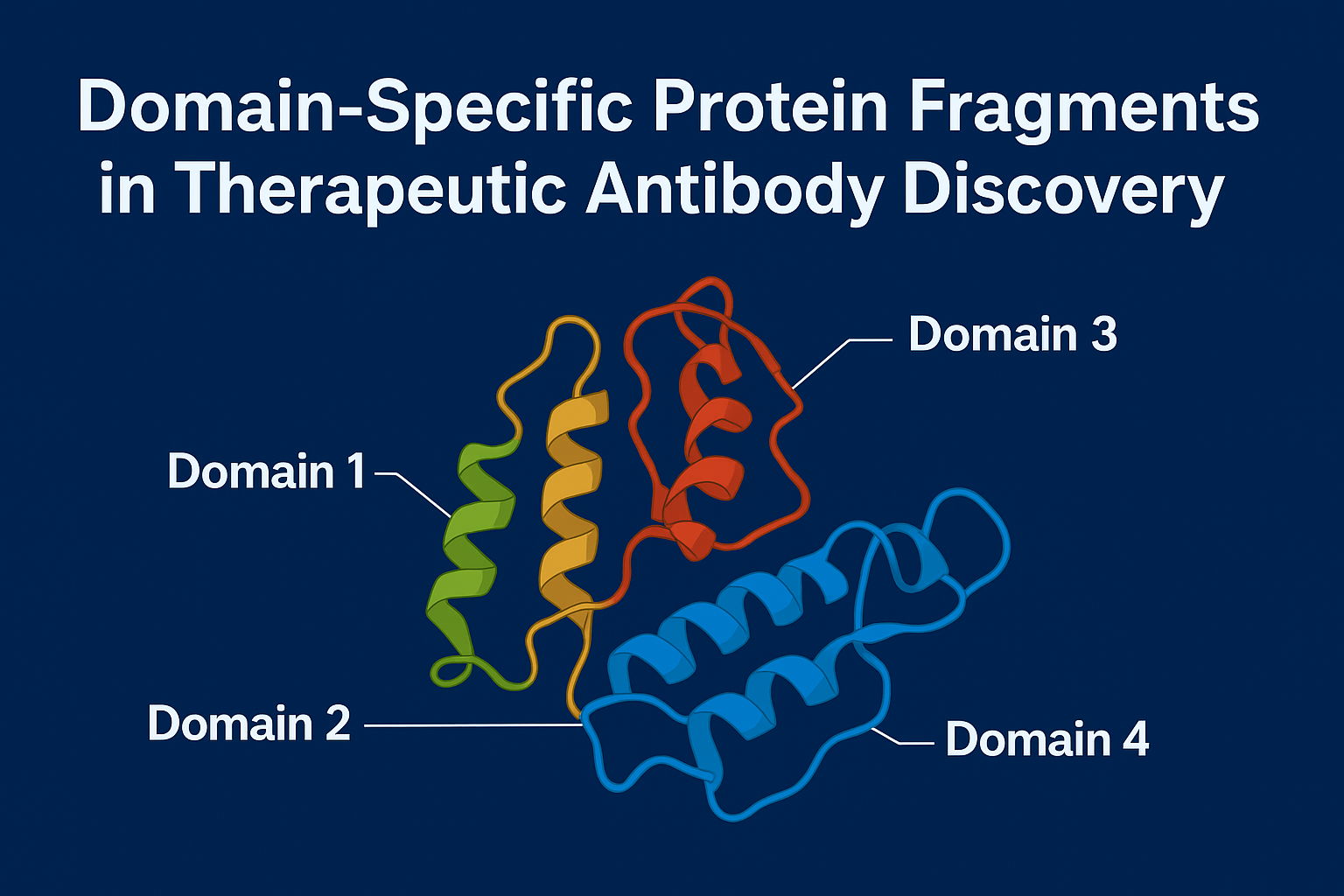
Domain-Specific Protein Fragments in Therapeutic Antibody Discovery

Using multiple recombinant protein fragments from the same target—such as extracellular domains, functional regions, and membrane-proximal segments—has become an essential strategy in therapeutic antibody discovery. This approach improves epitope diversity, enhances screening accuracy, reduces conformational bias, and accelerates the identification of high-value antibodies including blockers, agonists, and internalizing antibodies.

Blog 2025-12-08

Off-the-Shelf Nanobodies for Fast Drug Development

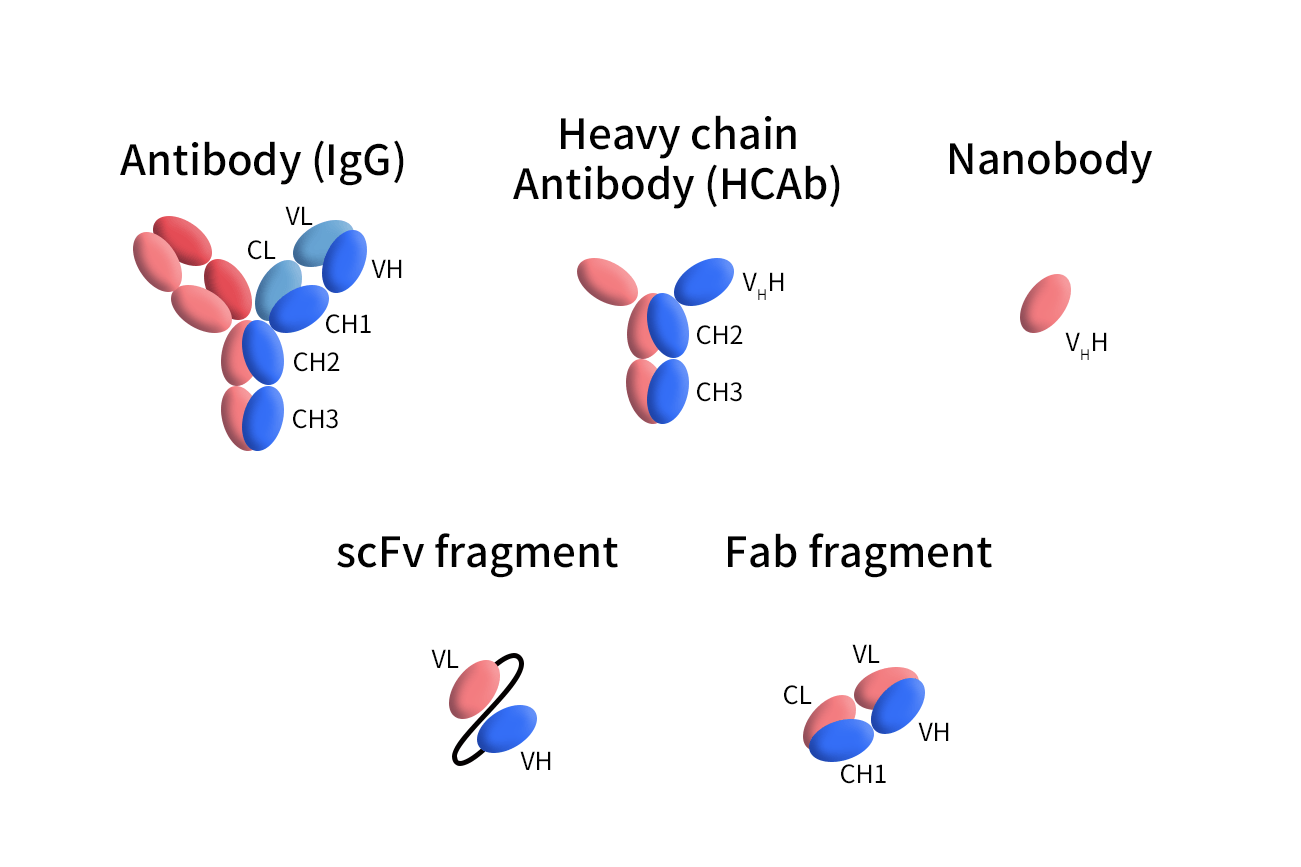
In recent years, nanobodies (single-domain antibodies, VHHs) have rapidly emerged as a hot research direction in antibody and biologics development, thanks to their unique structure and biological properties. Derived from camelids, these single-domain antibodies feature a small size, high stability, and easy engineering capabilities, making them ideal for applications in drug discovery, diagnostics, imaging, and immunotherapy.

Blog 2025-11-20
The Types of Membrane Proteins

Unlocking Membrane Proteins: The Key to Life’s Gateway

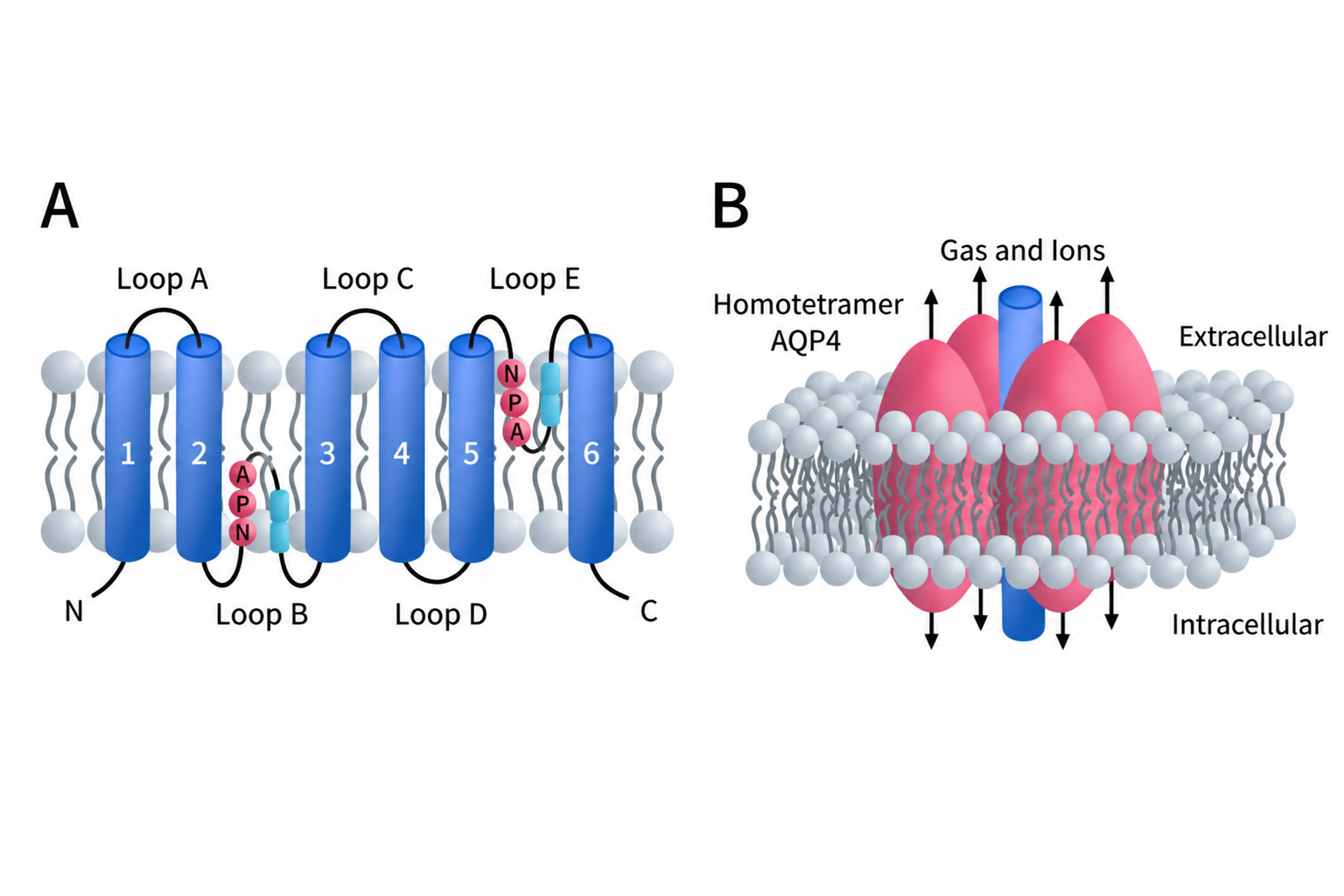
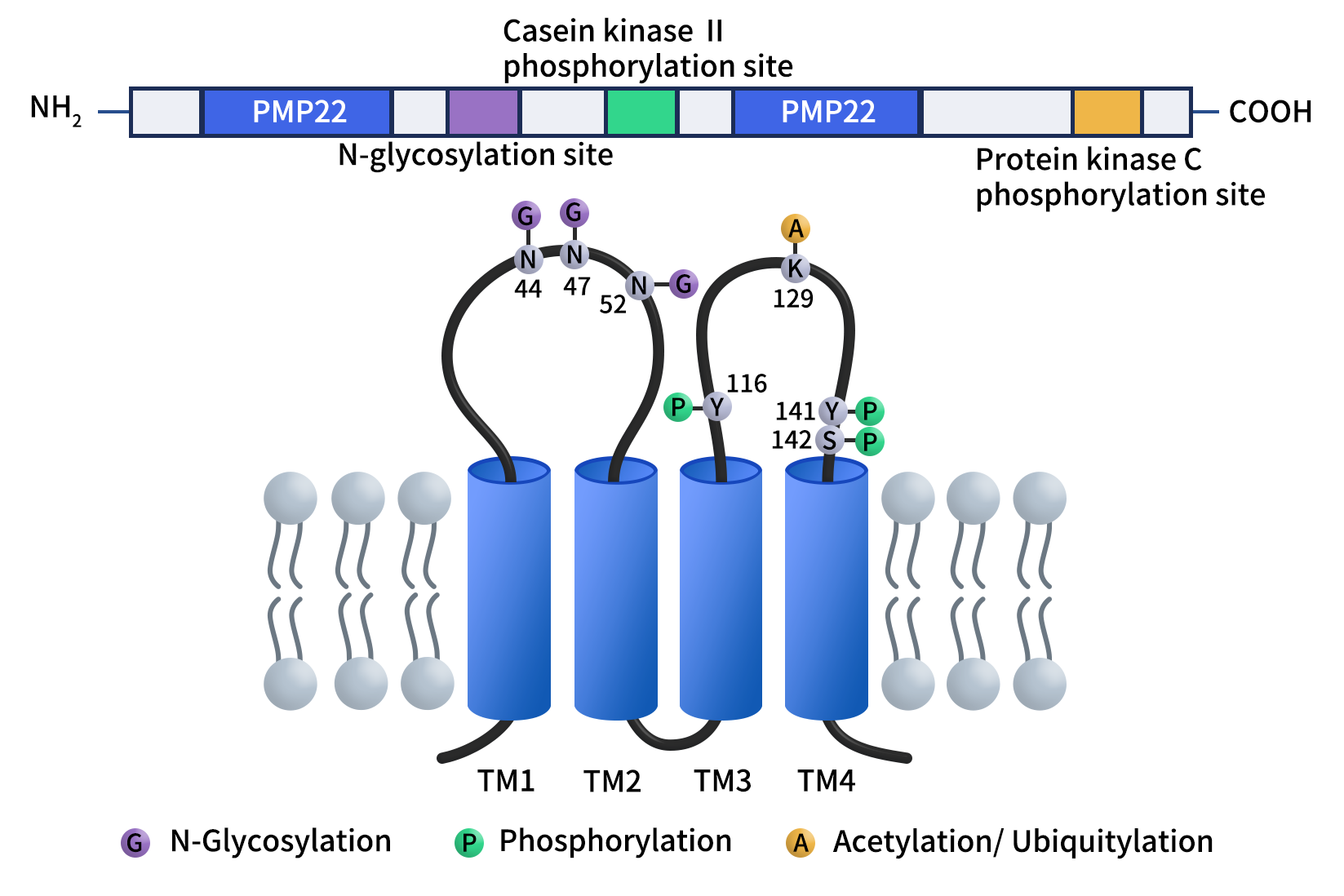
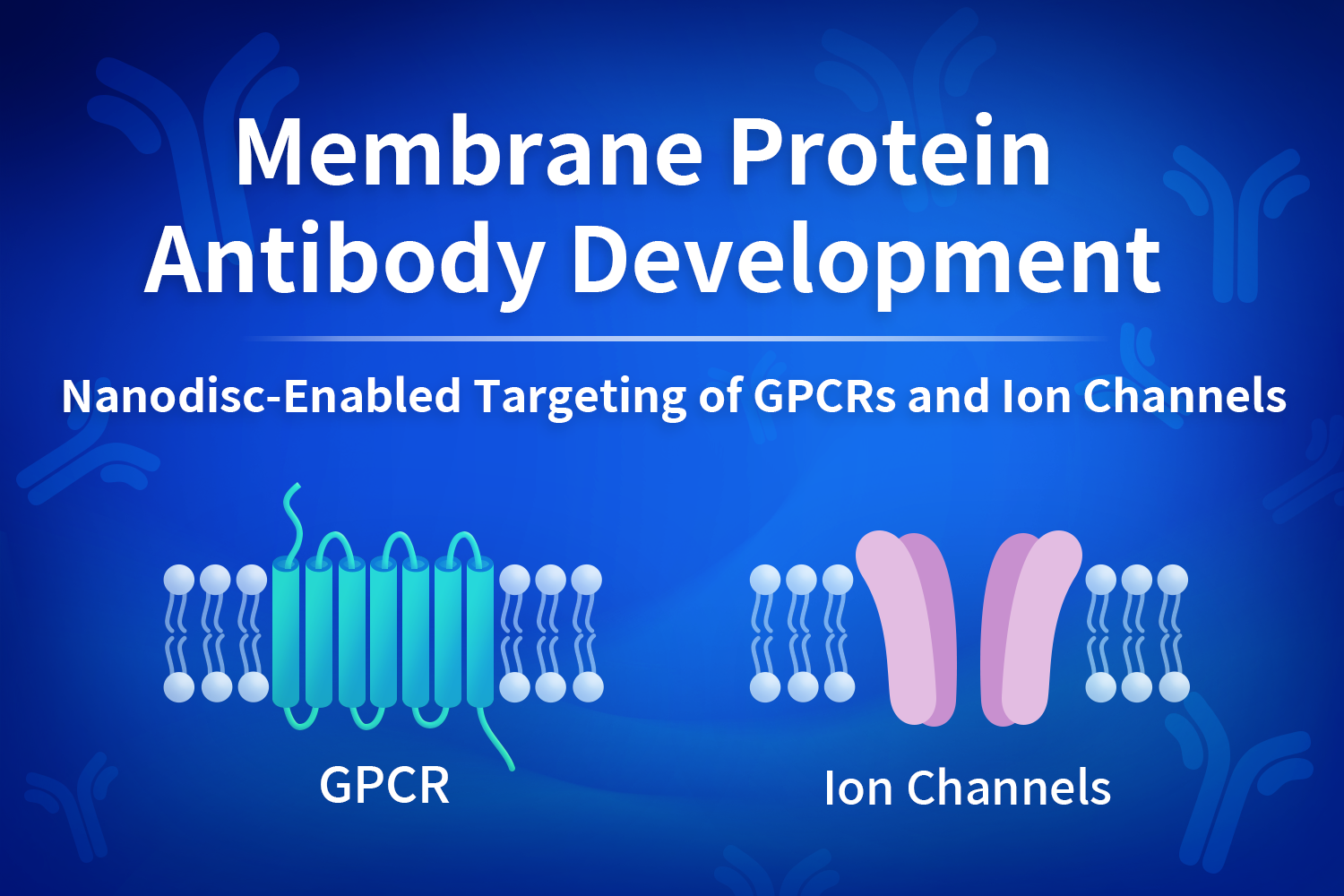
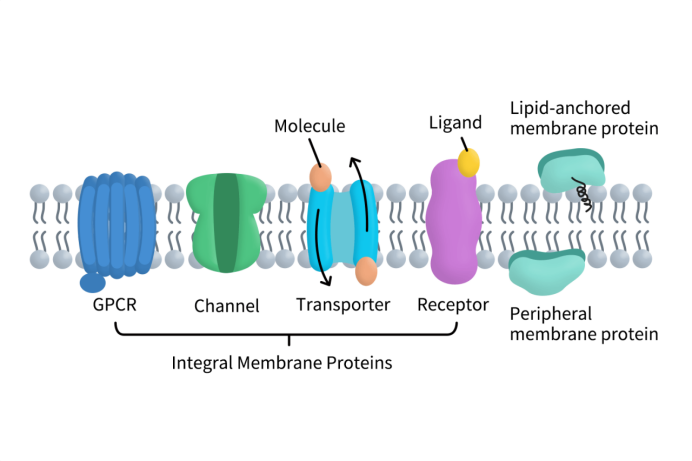
Membrane proteins are molecules that are critically important for life, undertaking key functions such as signal transduction, material transport, and cell recognition. With the deepening of drug development and structural biology research, membrane proteins have become central targets for new drug discovery and mechanistic studies. However, due to their structural complexity and poor stability, their […]

Blog 2025-11-16