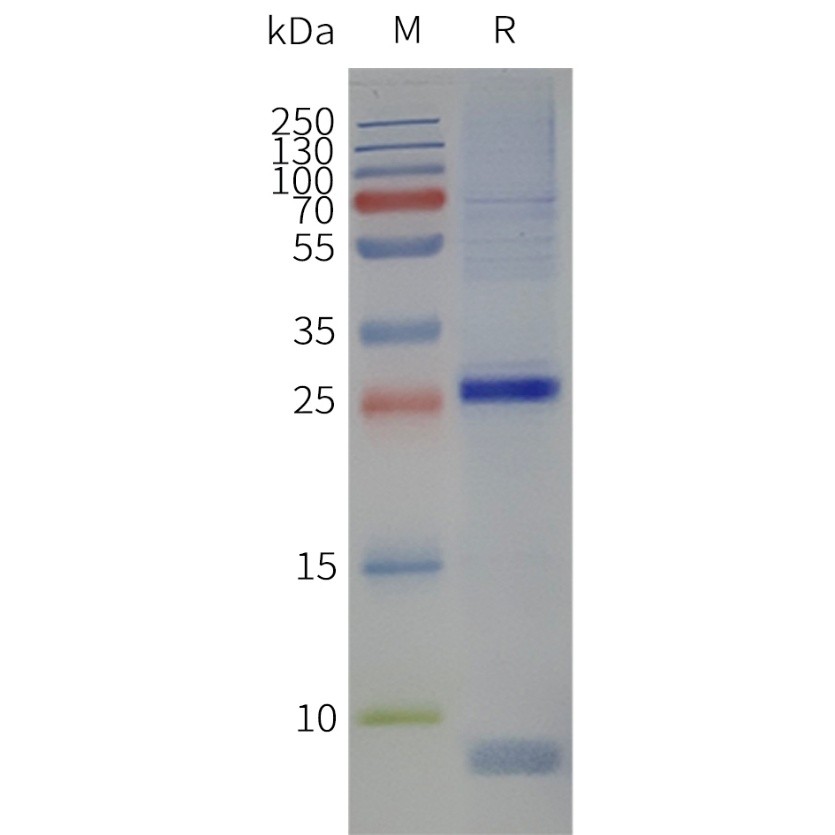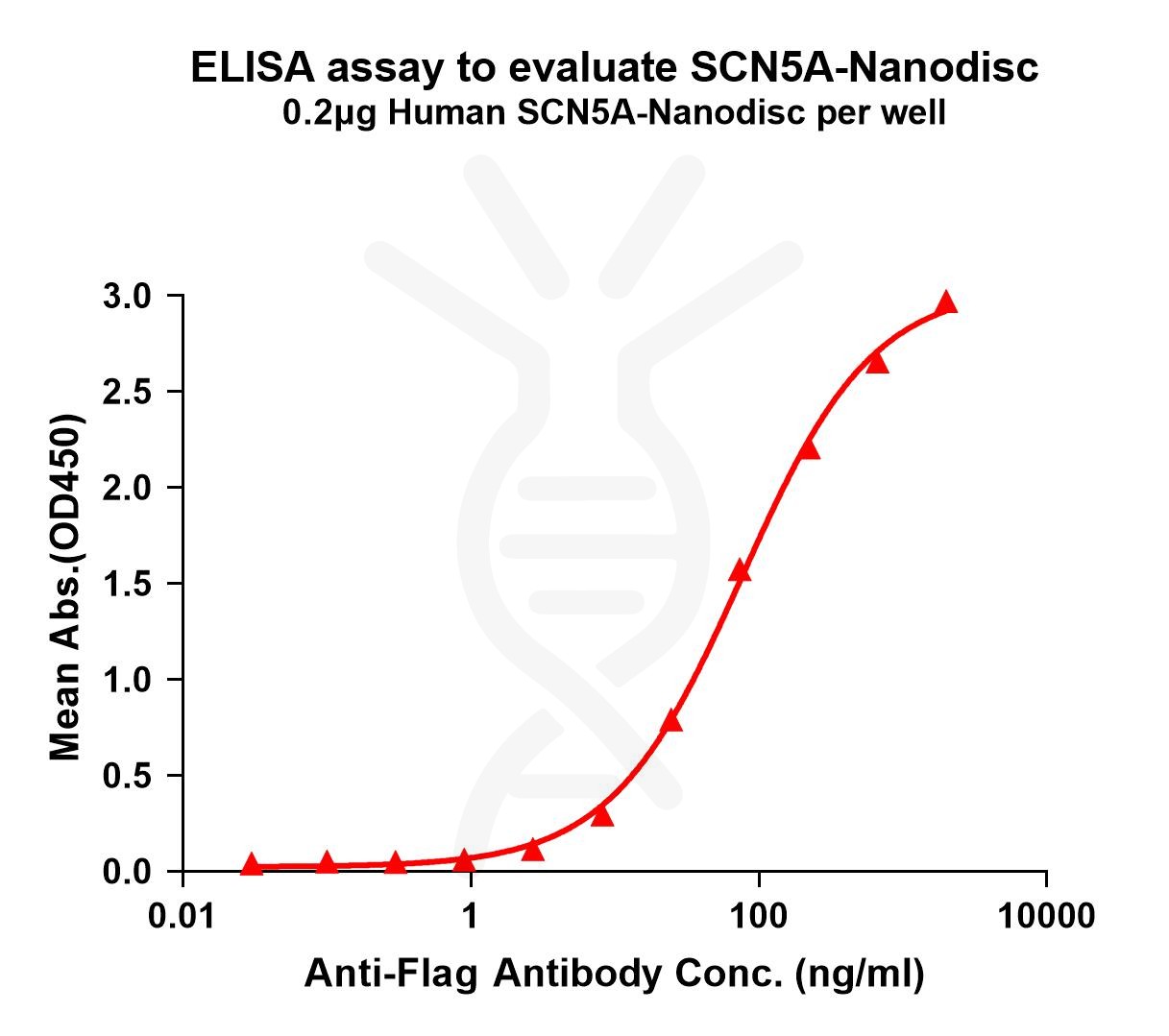
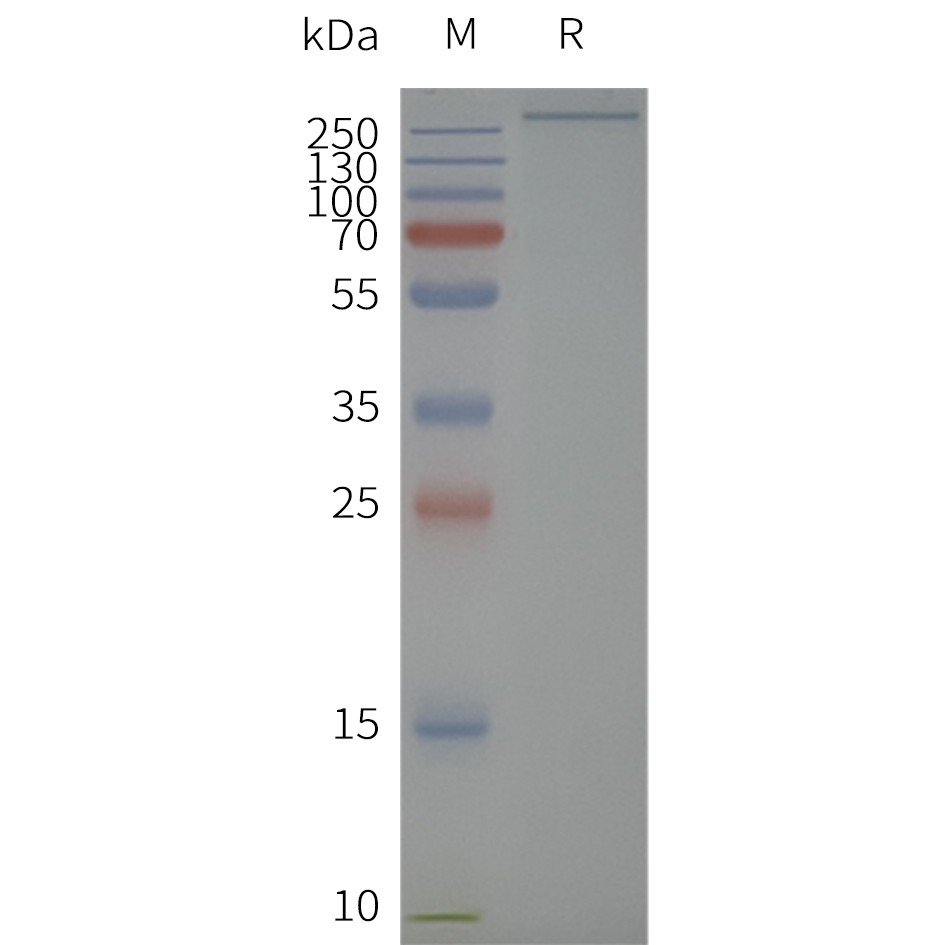
SCN5A-synthetic nanodisc (FLP100726)
24-transmembrane protein

Cant’t find your targets? Please send us your request…
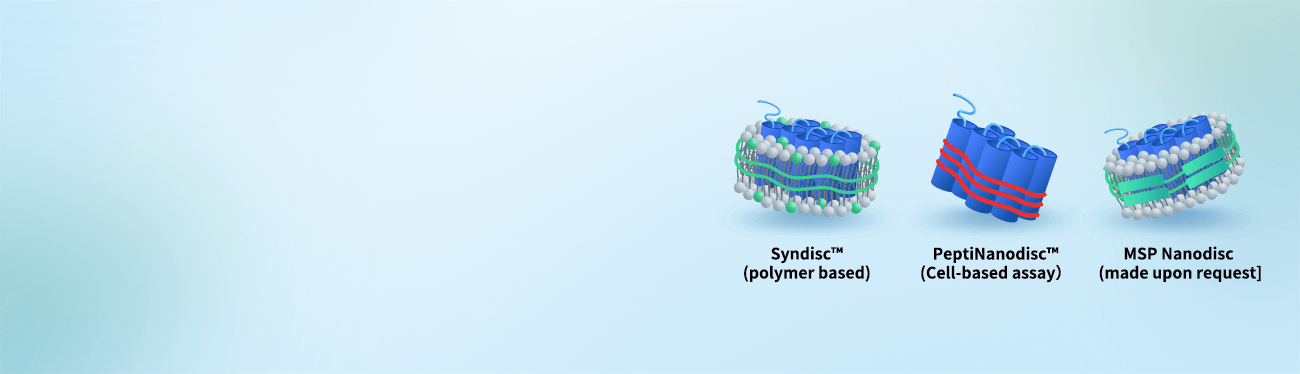
Nanodiscs can be classified based on the stabilizing agents used. The major formats are MSP Nanodiscs, Synthetic Nanodiscs, and PeptiNanodiscs. To fully leverage Nanodiscs, DIMA BIOTECH uses the HEK293 system to produce recombinant membrane proteins (MPs) that closely mimic their natural forms, supporting faster and more reliable drug discovery. Currently, DIMA BIOTECH has rich experience in developing full-length multi-pass membrane proteins with Synthetic Nanodiscs and PeptiNanodiscs.
SCN5A-synthetic nanodisc (FLP100726)
24-transmembrane protein
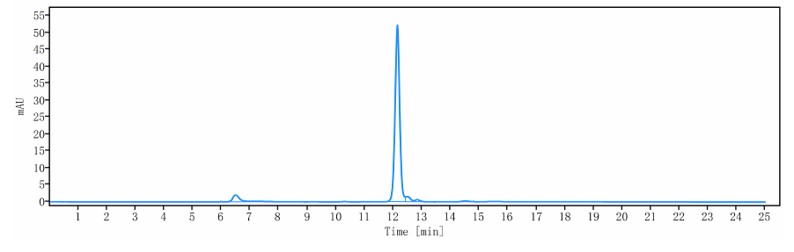
The purity of Human SLC7A11-Nanodisc (FLP100048) is greater than 90% as determined by SEC-HPLC.
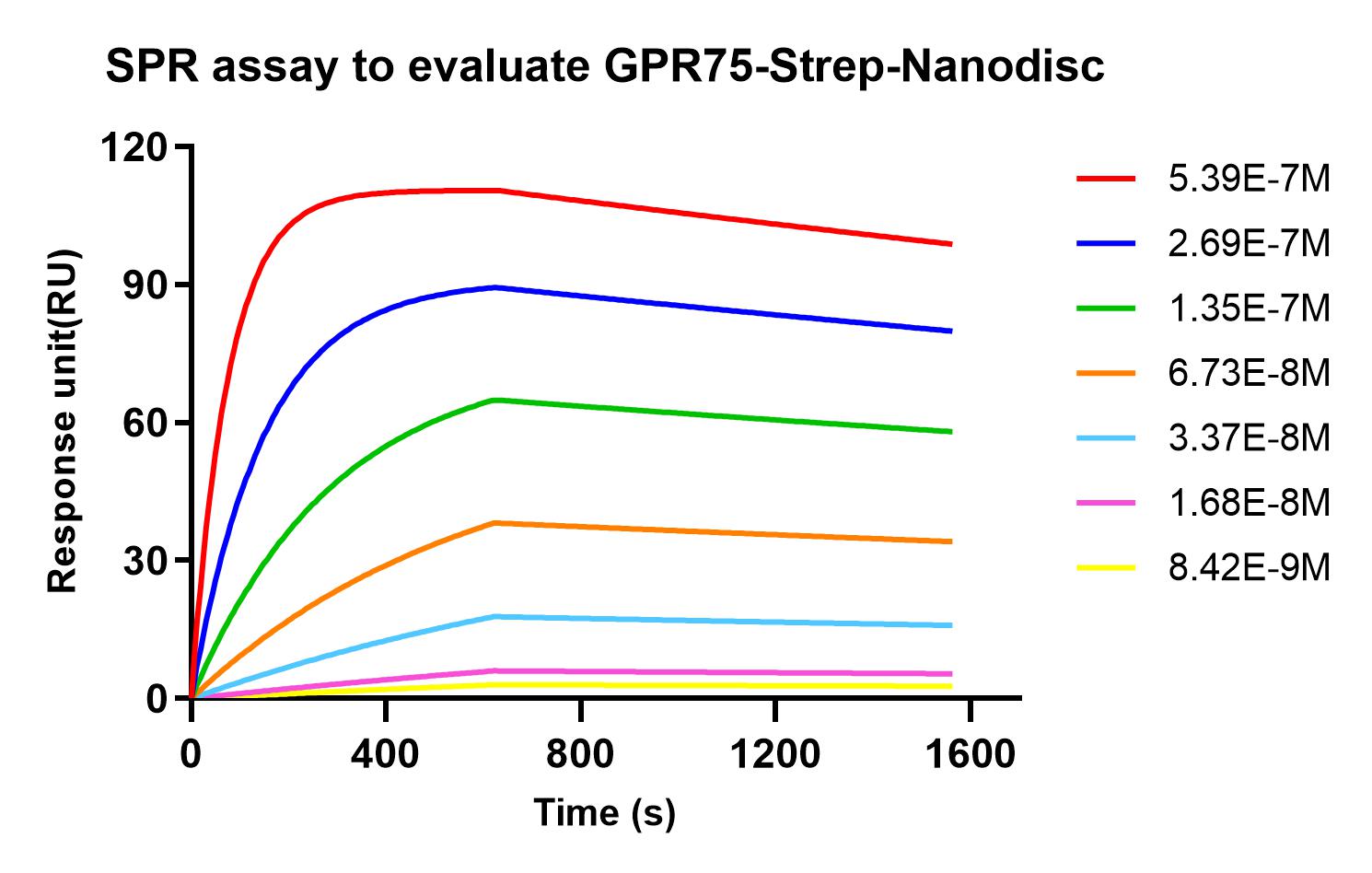
Human GPR75-synthetic nanodisc (FLP120031) can bind Loaded Human GPR75 mAb (DMC100368) with an affinity constant of 5.02nM.
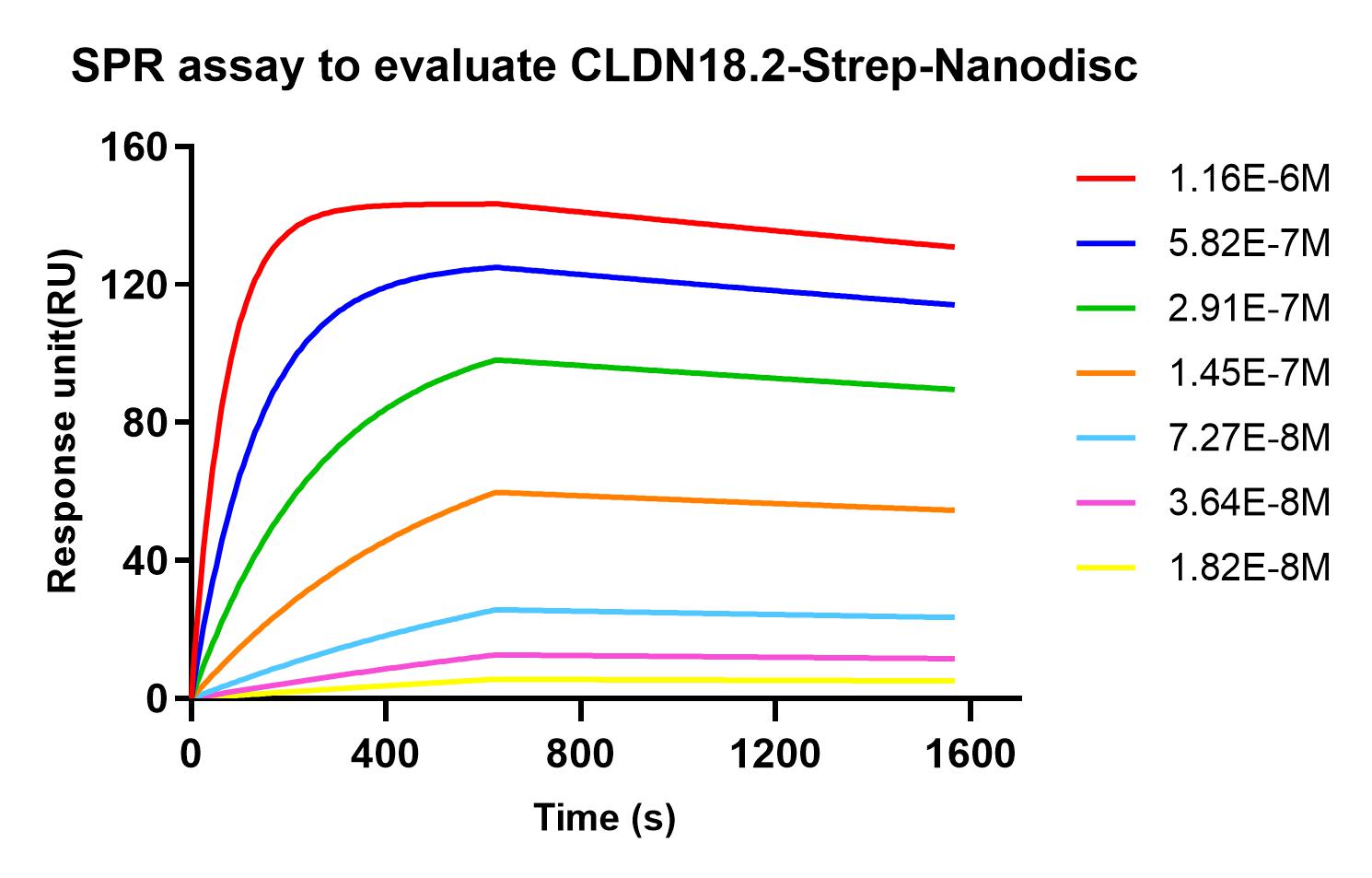
Human CLDN18.2-synthetic nanodisc (FLP120014) can bind loaded Human CLDN18.2 mAb (BME100075) with an affinity constant of 8.09nM.
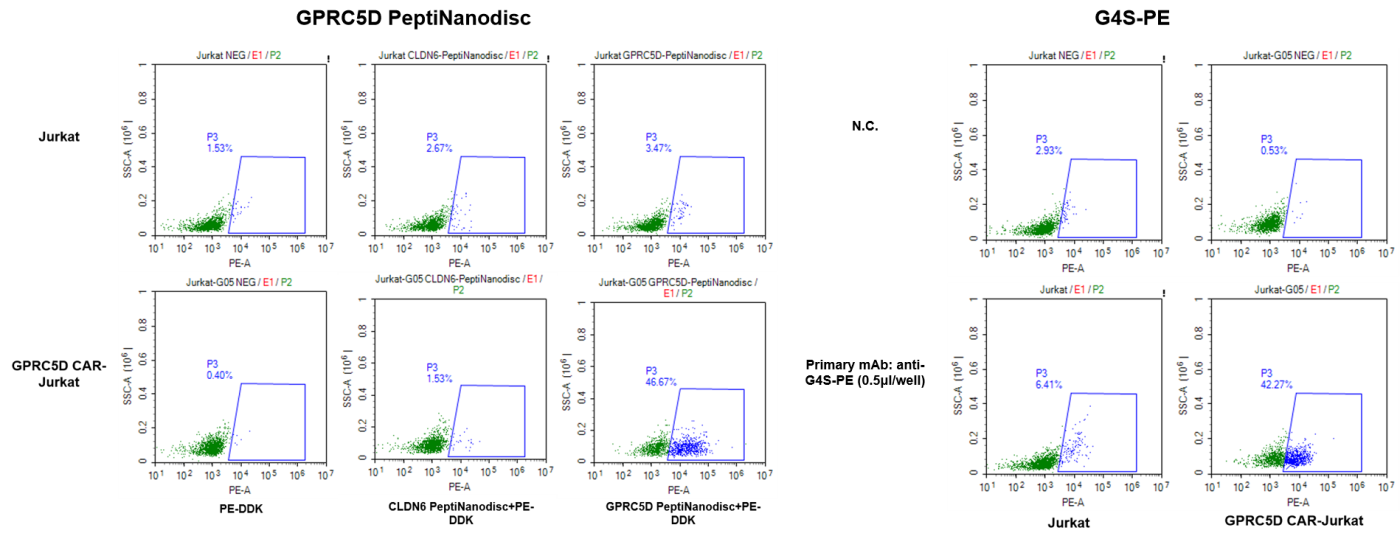
GPRC5D PeptiNanodisc (Cat.No.FLP400011) and G4S-PE protein were used to detect the positivity rate of GPRC5D CAR-T cells.
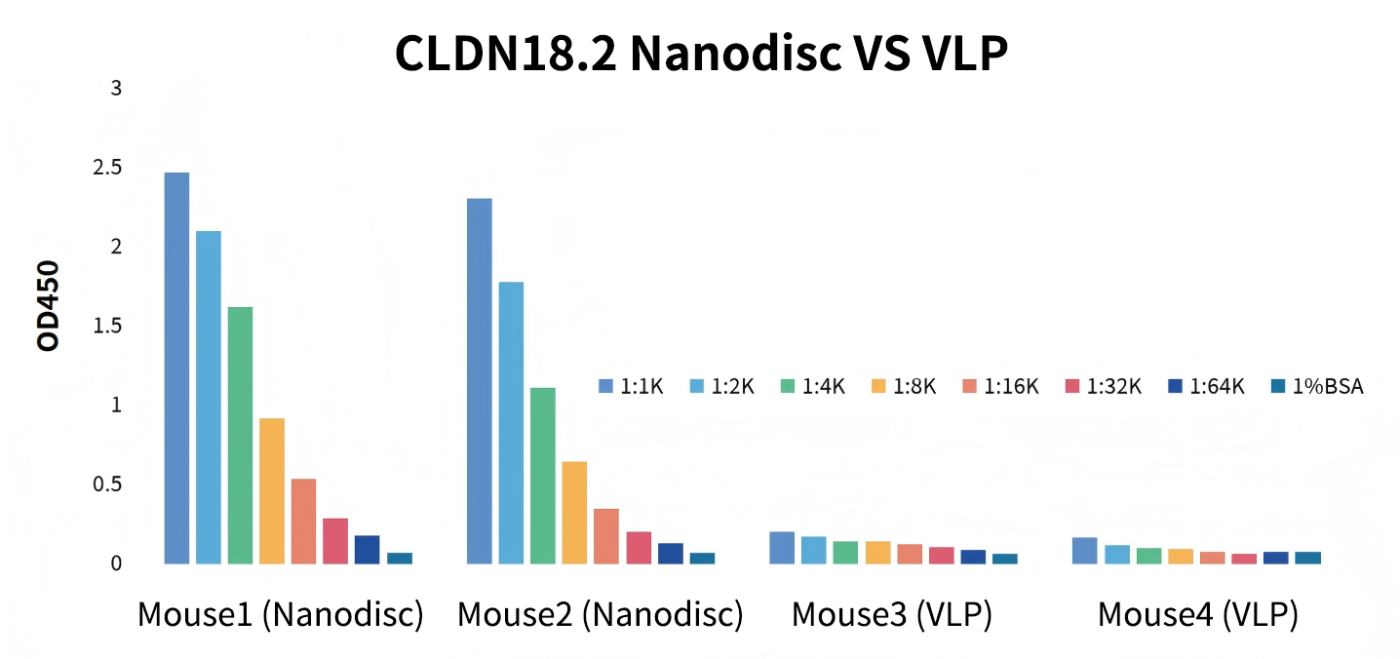
What are Nanodiscs?
Nanodiscs provide a membrane-like environment that stabilizes membrane proteins (MPs) in a near-native state, overcoming major challenges in MP expression, purification, and functional analysis. Full-length multi-pass membrane proteins are often difficult to express, prone to misfolding, and easily destabilized by traditional detergents. By improving protein stability, activity, and structural integrity, Nanodiscs enable more reliable structural studies, functional assays, and drug screening. Platforms such as MSP, Synthetic, and PeptiNanodiscs further support diverse membrane protein research and accelerate drug discovery.
Why Nanodiscs for Membrane Proteins?
Nanodiscs are discoidal lipid bilayers stabilized by scaffold proteins or synthetic polymers. They maintain:
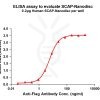 Human SCAP full length protein-synthetic nanodisc
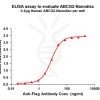 Human ABCG2 full length protein-synthetic nanodisc
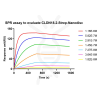 Human CLDN18.2-Strep full length protein-synthetic nanodisc
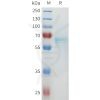 Biotinylated Human CD4 full length protein-synthetic nanodisc
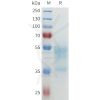 Biotinylated Human CXCR4 full length protein-synthetic nanodisc
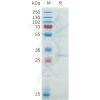 Biotinylated Human CLDN18.2 full length protein-synthetic nanodisc
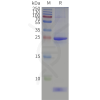 Human AQP5 full length protein-PeptiNanodisc
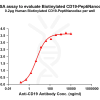 Biotinylated Human CD19 full length protein-PeptiNanodisc
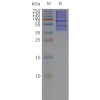 Biotinylated Human CCR2 full length protein-PeptiNanodisc
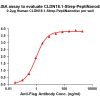 Human CLDN18.1-Strep full length protein-PeptiNanodisc
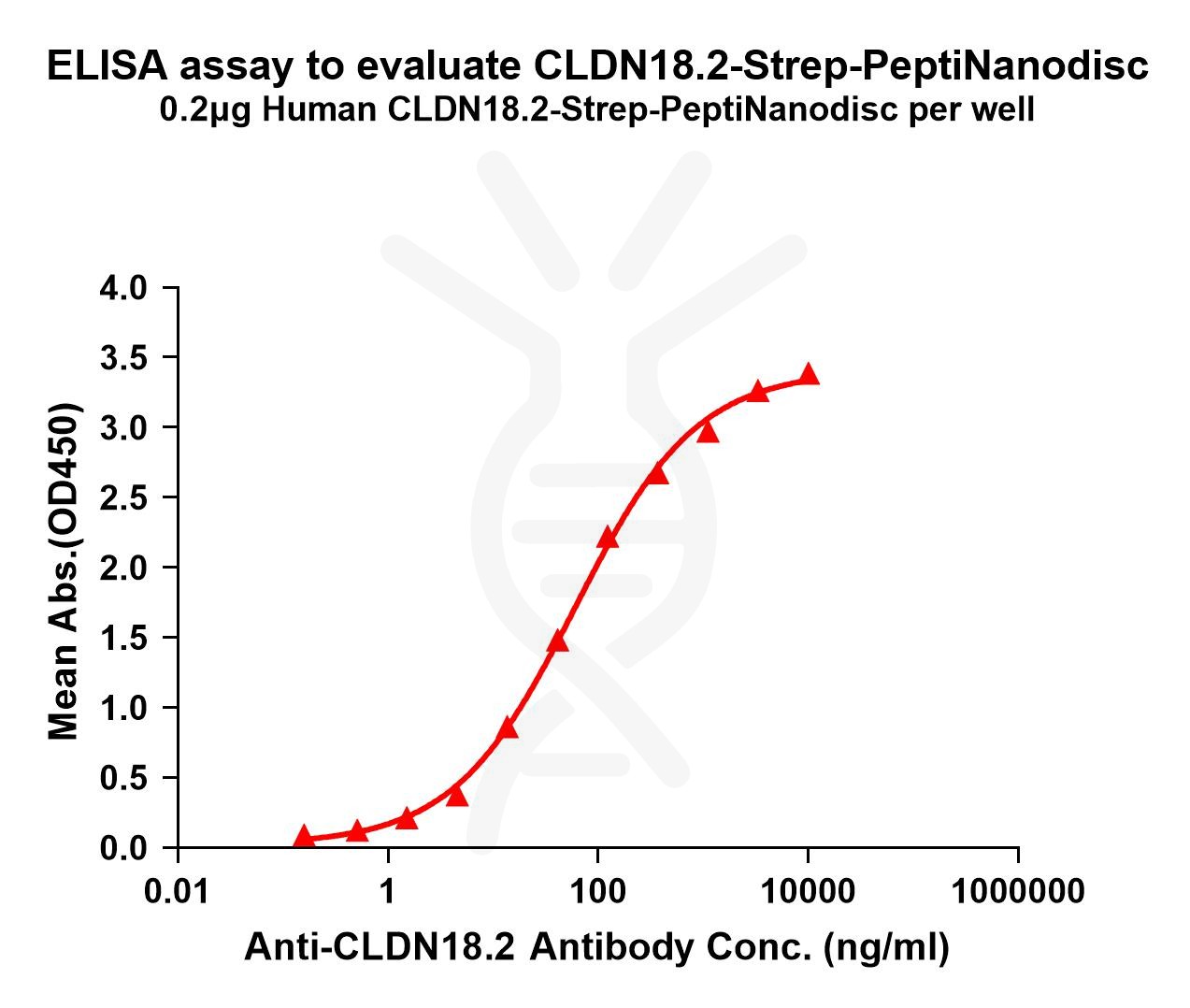
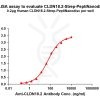 Human CLDN18.2-Strep full length protein-PeptiNanodisc
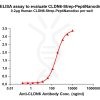 Human CLDN6-Strep full length protein-PeptiNanodisc
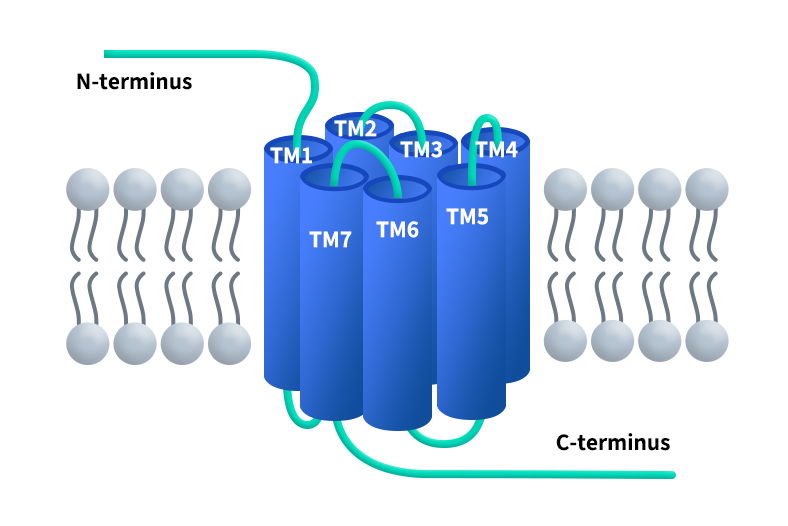
G protein-coupled receptors (GPCRs)
More Details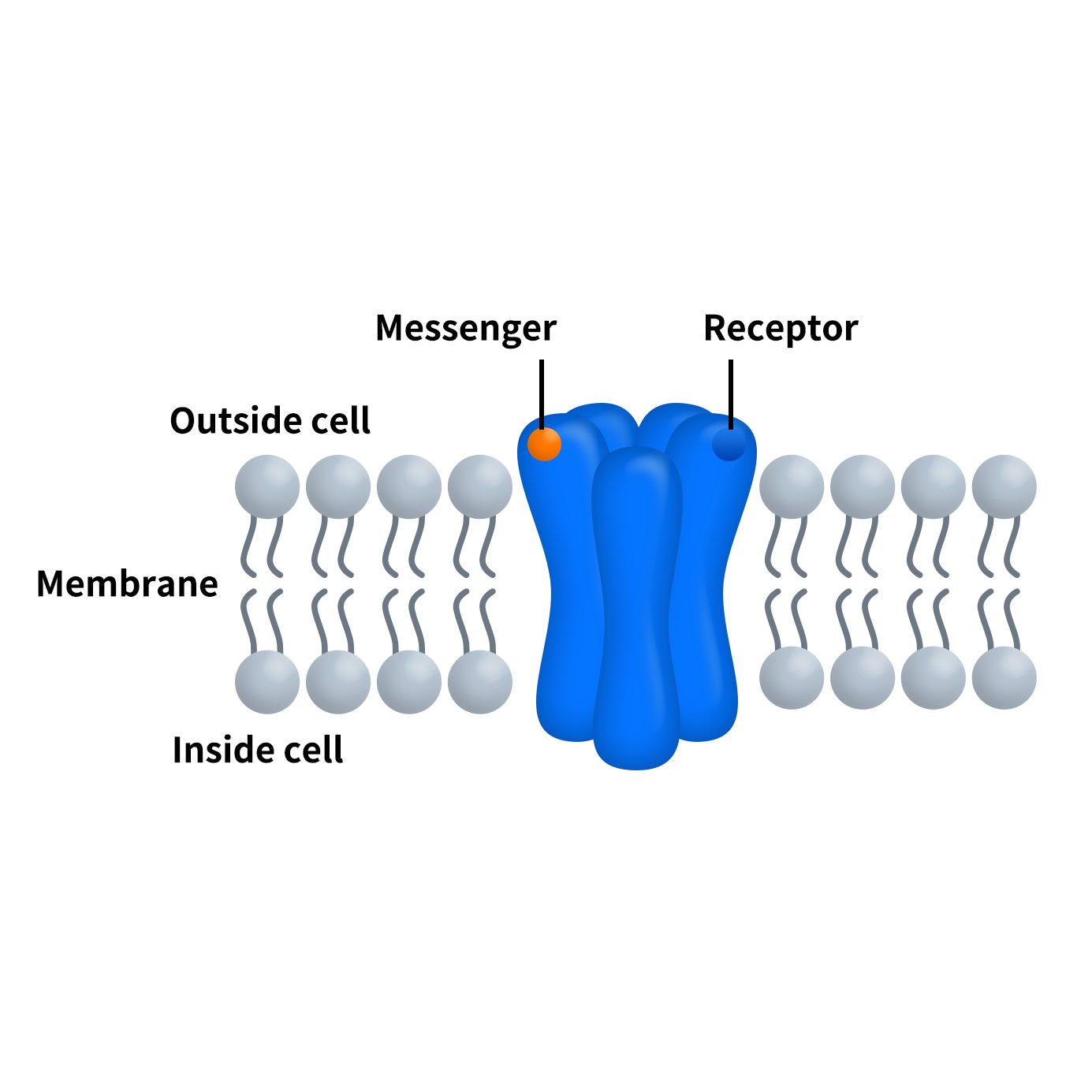
Ion Channels
More Details1. Which materials are used for Nanodisc Proteins?
We utilize synthetic nanodiscs that are internally synthesized within our company. However, specific details regarding the composition of our nanodiscs are proprietary and confidential.
2. Is it possible to purchase empty nanodiscs?
Currently, we do not have empty nanodiscs available for purchase. However, we do offer nanodiscs designed for specific target proteins.
3. Has the function of the protein/nanodisc been tested after lyophilization and dissolving?
Yes, all our nanodiscs undergo comprehensive lyophilization and testing procedures. The data presented on our website is derived from the protein after the lyophilization and reconstitution process. The products are shipped at room temperature after lyophilization.
Explore all the FAQs of Nanodisc-based proteins