
FLT3: Growth factor receptor dysregulated in acute leukemias
Hematological Cancer Targets
Overview of Hematological Cancer
Hematological malignancies, commonly referred to as blood cancers, arise from abnormal proliferation and differentiation of cells within the hematopoietic and lymphoid systems. Over the past two decades, advances in molecular biology and immunology have transformed the treatment landscape of hematological malignancies. Targeted therapies and antibody-based modalities have demonstrated remarkable clinical success, driven largely by the accessibility of cell surface antigens and lineage-specific markers expressed on malignant blood cells. As a result, hematological malignancies have become a proving ground for innovative therapeutic concepts, including monoclonal antibodies, antibody drug conjugates (ADCs), bispecific T-cell engagers, and cell-based immunotherapies.
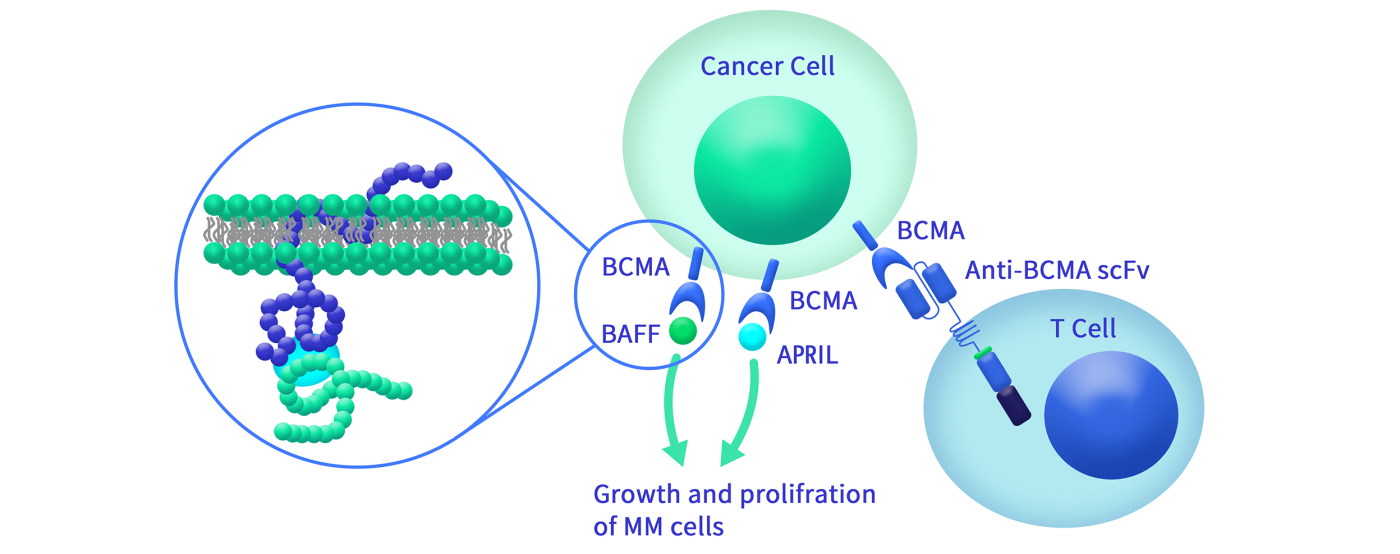
Classification of Hematological Cancer Targets
Unlike solid tumors, blood cancers originate from circulating or bone marrow-resident cells, making their biology, disease progression, and therapeutic strategies fundamentally distinct. Major categories include leukemia, lymphoma, and multiple myeloma, each encompassing diverse subtypes with unique molecular and cellular characteristics.
Leukemia-Associated Targets
Leukemias are characterized by uncontrolled proliferation of abnormal blood cells in the bone marrow and peripheral blood. Targets in leukemia often reflect the differentiation stage of malignant cells, ranging from stem cell-associated antigens to lineage-specific markers. Representative targets include:
Lymphoma-Associated Targets
Lymphomas arise from mature or precursor lymphocytes within lymphoid tissues. B-cell lymphomas constitute the majority of cases and are characterized by stable expression of B-cell surface markers, enabling highly selective targeting strategies. The structural organization of lymphoid tissues and the role of immune cell interactions further shape target selection in lymphoma research. Representative targets include:
Multiple Myeloma Targets
Multiple myeloma is a malignancy of plasma cells residing primarily in the bone marrow. Myeloma cells exhibit a distinct antigenic profile reflecting their terminal differentiation state. Targets in multiple myeloma often show high expression density and functional relevance to plasma cell survival, supporting robust antibody binding and immune-mediated clearance. Representative targets include:
Therapeutic antibodies targeting these targets need to exert their functional activities in human body. Therefore, it is very critical to identify monoclonal antibodies with functional activities. “Garbage in Garbage out” is the rule of thumb for therapeutic antibody development. DIMA BIOTECH pays special attention on its immunogen development process. All the proteins were made by using HEK293 mammalian cell secretion expression system and we implemented a strict quality control process, including purity testing, antibody-drug interaction verification, freezing and thawing Tests, thermal stability tests, etc. In order to meet the needs, DIMA BIOTECH provide a full spectrum of functional proteins of new CAR T-cell targets.
Applications
- Immunogens for antibody drug development
- Reagents used for CAR T positive cell monitoring
- Reagents for antibody screening and functional testing
- Reagents for antibody affinity measurement
DIMA BIOTECH's QC Data
Protein purity
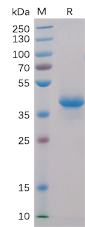
Figure 1. Human BCMA, mFc-His Tag on SDS-PAGE under reducing condition.
ligand receptor interaction
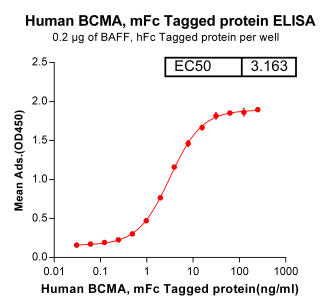
Figure 2. Human BAFF protein can bind Human BCMA protein in a linear range of 0.03-15.625 ng/ml.
Antibody-drug interaction
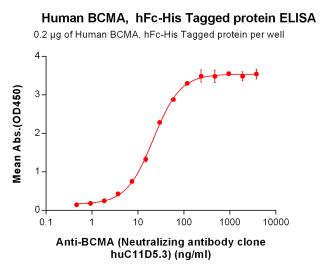
Figure 3. Human BCMA protein can bind Anti-BCMA (BME100016) in a linear range of 3.71-22.29 ng/ml.
Product Targets
| BTK | CD19 | CD20 | CD22 | CD30 | CD33 | CD38 | CD47 |
| CSF1R | FLT3 | GPRC5D | CD117 | MSLN | MUC1 | PD-1 | PD-L2 |
| BCMA | CS1 | CCR4 | CD79b | CD123 | CD34 | CD127 | … |