
In recent years, Epithelial Membrane Protein 2 (EMP2) has gradually emerged from a relatively niche membrane protein research subject into the field of targeted cancer therapy. In 2025, a study published in *Materials Today Bio* developed a cholesterol-modified defense peptide-based nanodelivery system for the delivery of EMP2 siRNA, exploring the therapeutic potential of reducing EMP2 expression in breast cancer. The study demonstrated that the delivery system effectively suppressed EMP2 expression in breast cancer cells and reduced tumor cell migration and invasion in both in vitro and animal models. It also exerted regulatory effects on the tumor immune microenvironment, including promoting Th1 cell responses and reducing immunosuppressive Treg cells.[1] These findings further indicate that EMP2 research is gradually moving beyond expression profiling and mechanistic studies toward targeted intervention and therapeutic strategy development. Previous studies have also developed EMP2-targeting monoclonal antibodies and EMP2-targeting ADCs, which have been evaluated in multiple tumor models.[2–4] Although EMP2-targeted therapies remain predominantly at the preclinical stage, the emergence of multiple therapeutic approaches, including antibodies, ADCs, and RNA-based interventions, has positioned EMP2 as an emerging membrane protein target of interest in cancer research.
1. EMP2 Protein Structure and Expression Distribution
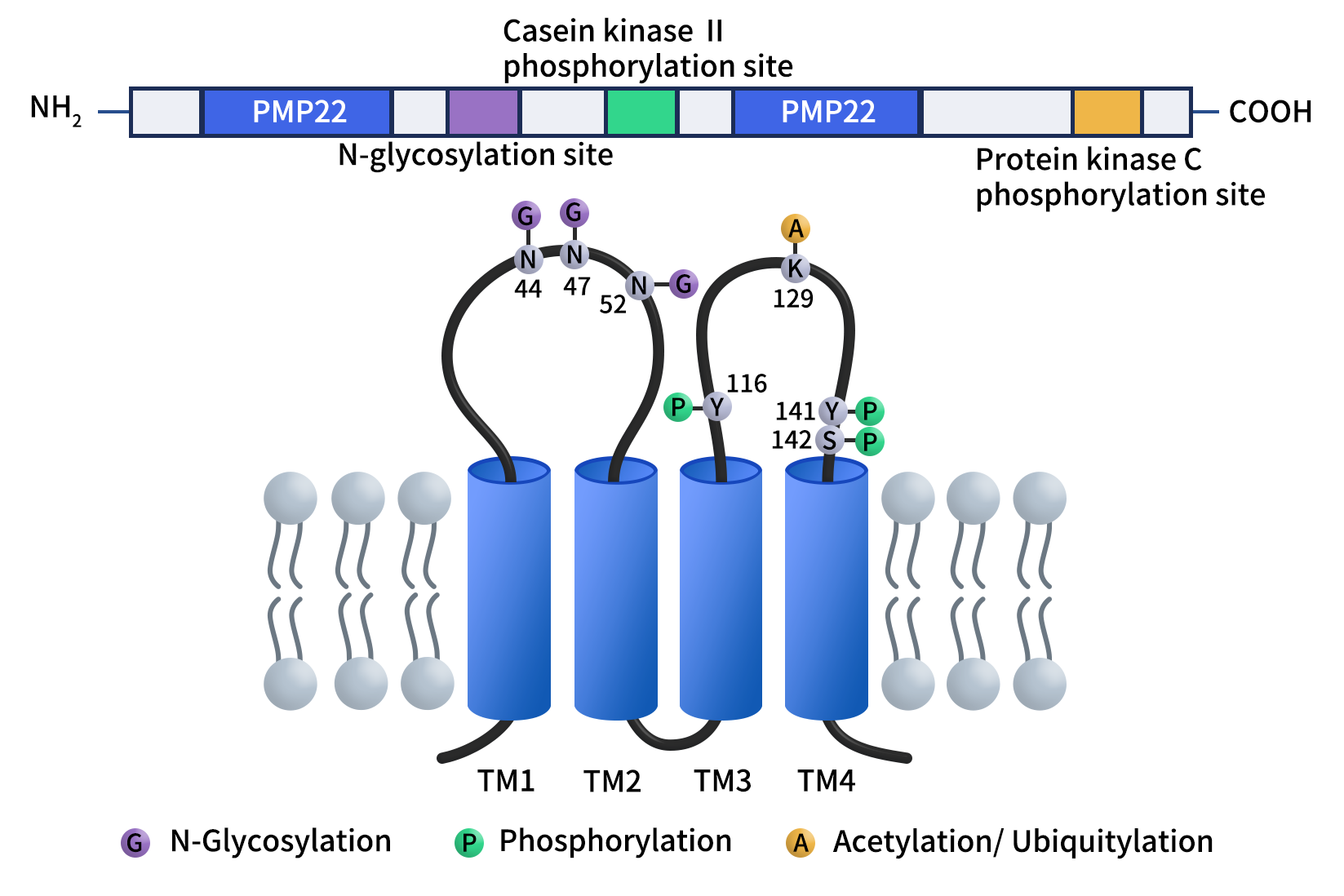
Epithelial Membrane Protein 2 (EMP2), also known as epithelial membrane protein 2, is encoded by the human EMP2 gene and belongs to the PMP22/EMP family of small hydrophobic membrane proteins. Human EMP2 consists of approximately 160 amino acids and contains four characteristic transmembrane domains, along with relatively short extracellular and intracellular loops.[4][6]
Unlike classical membrane receptors with large extracellular domains, EMP2 does not possess an apparent intracellular catalytic domain. Instead, its functions are largely dependent on its localization within the cell membrane and its interactions with membrane lipids, membrane proteins, and cytoskeleton-associated components. Studies have shown that EMP2 participates in the organization of lipid rafts within the cell membrane and regulates the trafficking and cell-surface localization of certain membrane proteins, including integrins.[4][5]
EMP2 is expressed in a variety of normal tissues, with data showing relatively prominent expression in the lung as well as in certain other tissues and specialized cell types.[6] Under physiological conditions, EMP2 is involved in cell adhesion, membrane organization, tissue barrier function, and interactions between cells and the extracellular matrix, and has also been implicated in processes such as embryonic implantation, placental vascular development, and alveolar function.[4][6]
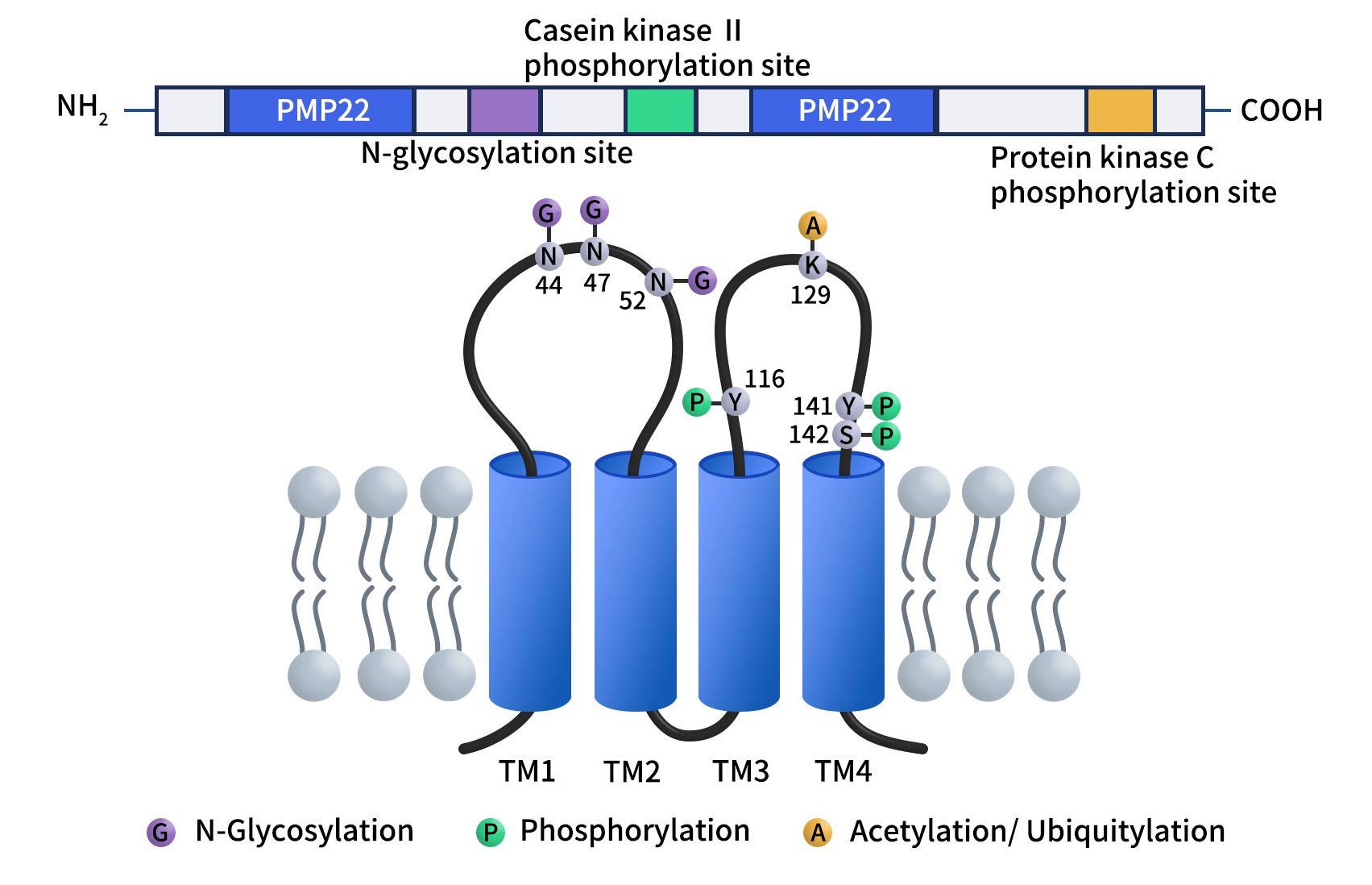
Figure 1. The structrue of EMP2 protein.[4]
2. EMP2 Signaling Regulation and Molecular Mechanisms
Although EMP2 lacks the intracellular catalytic domain characteristic of classical receptor-type membrane proteins, it can participate in multiple cellular signaling pathways by regulating membrane protein trafficking, the membrane microenvironment, and protein-protein interactions.
One of the best-characterized mechanisms involves the Integrin/FAK/Src signaling axis. EMP2 can influence the trafficking and cell-surface localization of certain integrin subtypes, thereby regulating cell adhesion to the extracellular matrix (ECM). Upon binding to and activation by the ECM, integrins can recruit signaling molecules such as FAK (focal adhesion kinase) and Src, promoting cytoskeletal remodeling and influencing cell migration, invasion, and survival.[4][5]
EMP2 can also influence tumor cell behavior through multiple intracellular signaling processes. In hepatocellular carcinoma, EMP2 has been shown to activate cellular autophagy, thereby promoting tumor cell proliferation and invasion, suggesting that EMP2 may contribute to hepatocellular carcinoma progression through the regulation of autophagy-related processes.[5] In addition, studies in glioblastoma and endometrial cancer have linked EMP2 to VEGF-associated angiogenic processes.[4] These findings suggest that EMP2 does not act through a single signaling pathway, but may integrate membrane protein regulation, intracellular signal transduction, and autophagy to influence tumor biology. As a result, EMP2 may affect not only tumor cell proliferation and migration, but also interactions between tumor cells and the surrounding vasculature and microenvironment.In addition, EMP2 has been associated with caveolin-1, lipid rafts, protein trafficking, and endocytosis.[4][6] By influencing the organization of membrane microdomains, EMP2 may further alter the localization and signaling output of multiple membrane proteins. Therefore, rather than viewing EMP2 as a simple “switch” for a single signaling pathway, it may be more accurately described as a membrane protein regulatory node involved in organizing cellular membrane signaling networks.
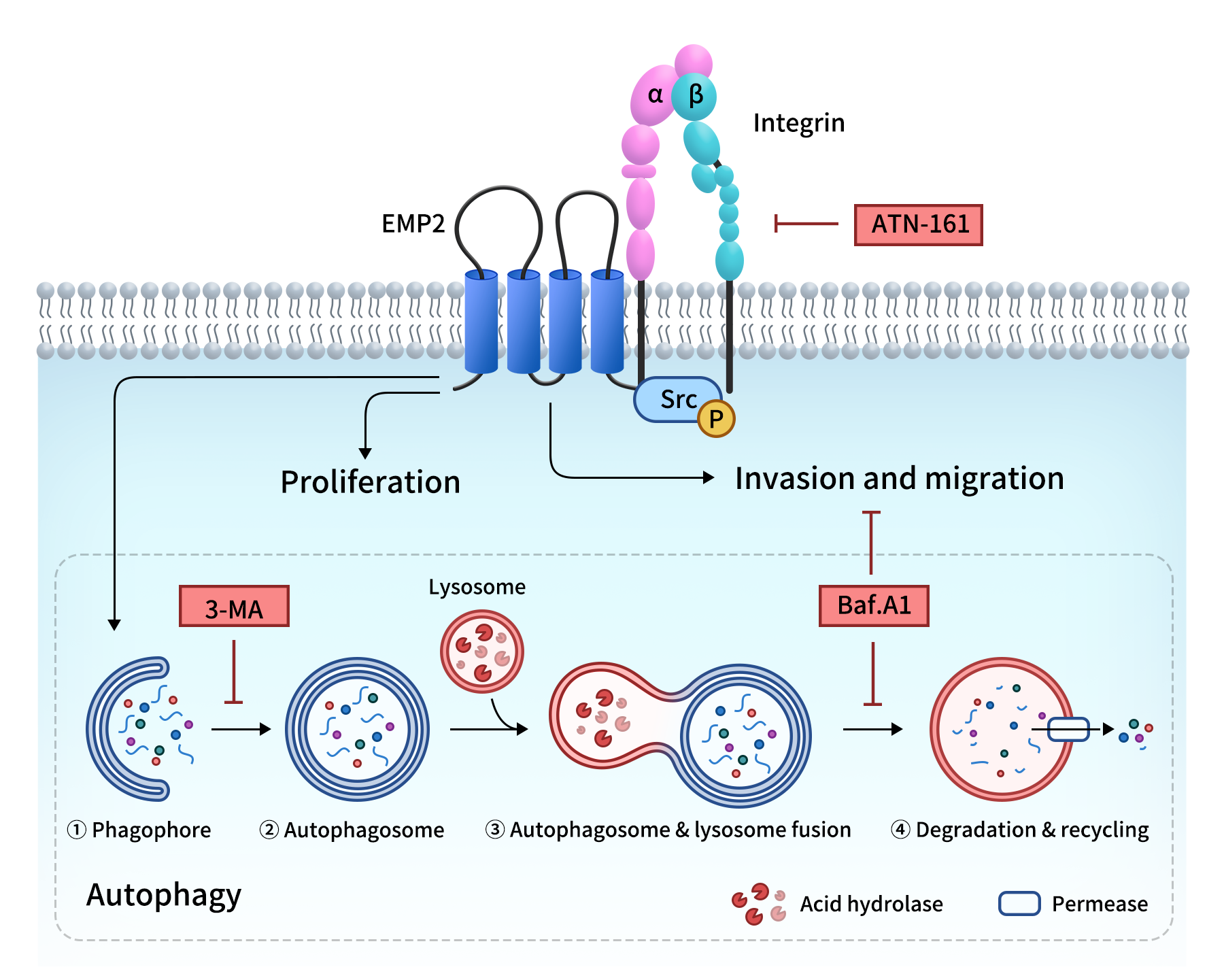
Figure 2. EMP2-mediated signaling.[5]
3. EMP2 and Disease
The relationship between EMP2 and cancer is one of the most actively investigated aspects of its biology. Studies have shown that elevated EMP2 expression is closely associated with tumor progression in several malignancies. For example, in glioblastoma, high EMP2 expression has been linked to tumor invasion, angiogenesis, and disease progression. In certain studies of ovarian and endometrial cancers, EMP2 has also been associated with tumor cell invasion and migration.[4] In breast cancer, particularly triple-negative breast cancer (TNBC), EMP2 has been investigated as a potential functional biomarker and therapeutic target.[7] In hepatocellular carcinoma, EMP2 has been shown to promote tumor cell proliferation and invasion by activating cellular autophagy.[5]
Beyond cancer, EMP2 has also been implicated in physiological and pathological processes including nephrotic syndrome, embryonic implantation, placental angiogenesis, and ocular angiogenesis.[4][6] These findings further highlight the broad biological functions of EMP2.
4. EMP2-Targeted Therapeutic Development
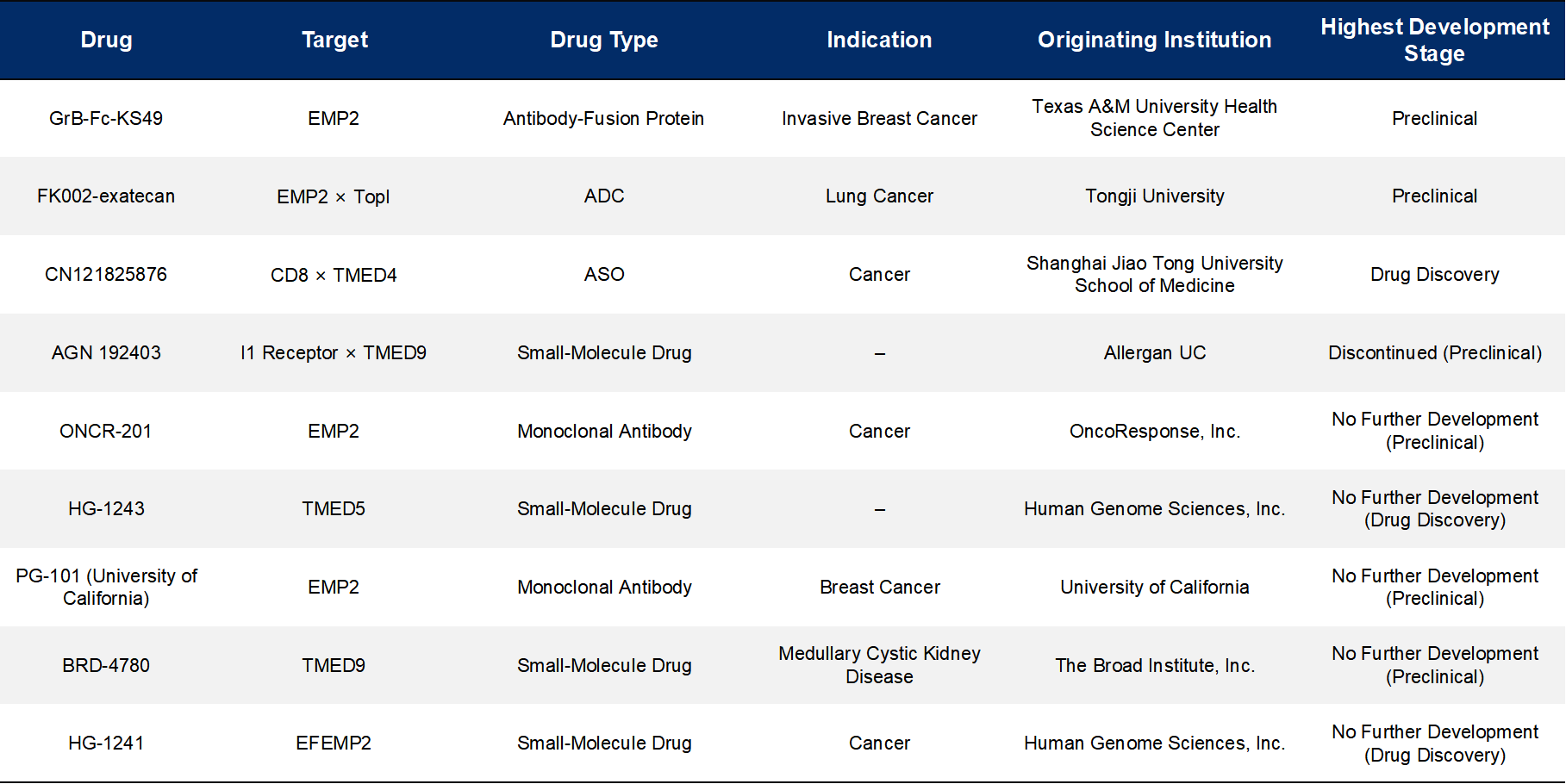
As a cell-surface membrane protein, EMP2 has fundamental characteristics that make it a potential target for antibody-based therapeutics. Early studies developed EMP2-targeting monoclonal antibodies and demonstrated antitumor activity in preclinical models of breast cancer, endometrial cancer, and other malignancies.[4][8]
Because EMP2-targeting antibodies can recognize cell-surface EMP2 and undergo internalization, researchers have also explored antibody-drug conjugates (ADCs) as a therapeutic strategy. Early studies investigated an anti-EMP2-MMAE ADC, while a 2025 study further developed the EMP2-targeting antibody FK002 and its corresponding exatecan-conjugated ADC. The study demonstrated promising antitumor activity in multiple lung cancer cell models, xenograft models, and patient-derived tumor models.[3]
Meanwhile, RNA-based intervention has emerged as another potential approach for targeting EMP2. A 2025 study used a nanodelivery system to deliver EMP2 siRNA and reduce EMP2 expression, resulting in suppressed tumor cell migration and invasion in breast cancer models, together with potential immunomodulatory effects.[2] More recently, a study presented at the 2026 AACR Annual Meeting proposed a potential link between EMP2, macrophage-mediated phagocytosis, and tumor immune evasion.[1] If further validated, this mechanism could expand EMP2-targeted strategies beyond direct effects on tumor cells to include modulation of the tumor immune microenvironment.
Overall, EMP2-targeted therapeutic development is currently being explored through multiple approaches, including monoclonal antibodies, ADCs, RNA interference, and immunotherapy. However, these strategies remain predominantly at the preclinical stage, and further studies are needed to establish the appropriate patient populations, therapeutic window, and clinical safety and efficacy of EMP2-targeted therapies.
5. Challenges in EMP2 Membrane Protein Research and DIMA Biotech’s Solution
As a four-pass transmembrane protein, the structural stability and biological function of EMP2 are closely associated with its membrane environment. During conventional membrane protein purification, the use of detergents may affect the protein’s native conformation and stability. Therefore, maintaining the integrity of the full-length membrane protein structure is particularly important for EMP2 antibody discovery and binding studies.
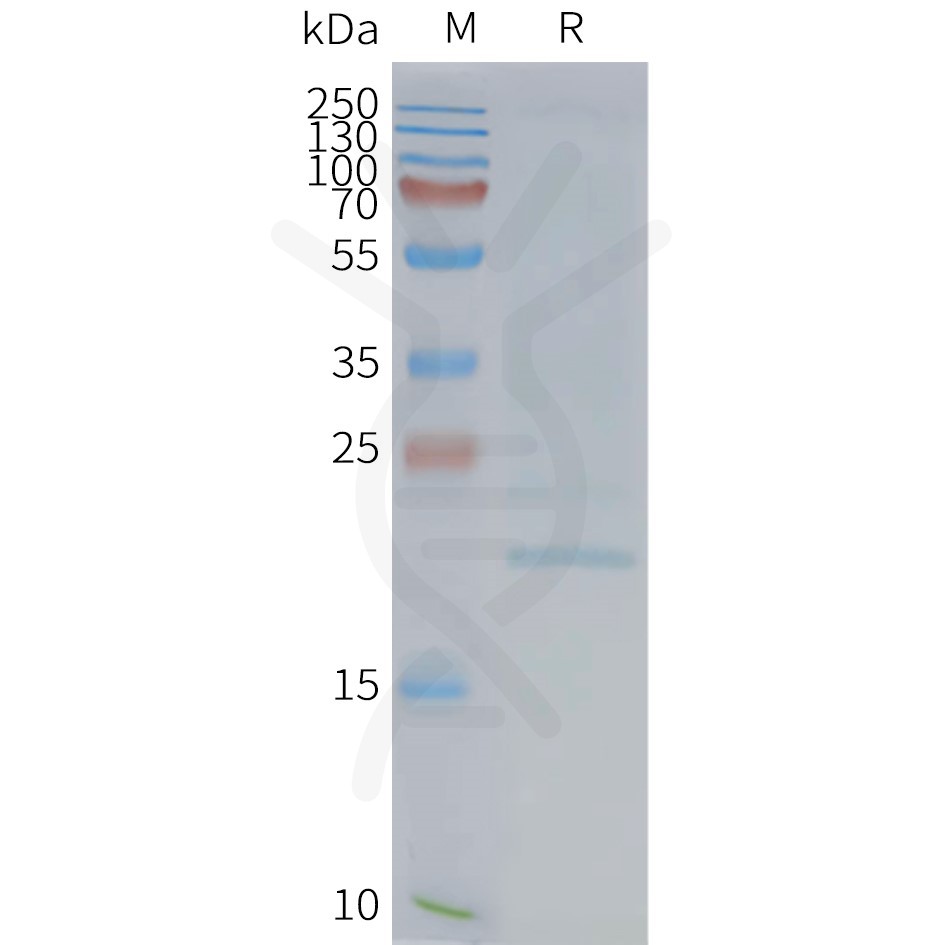
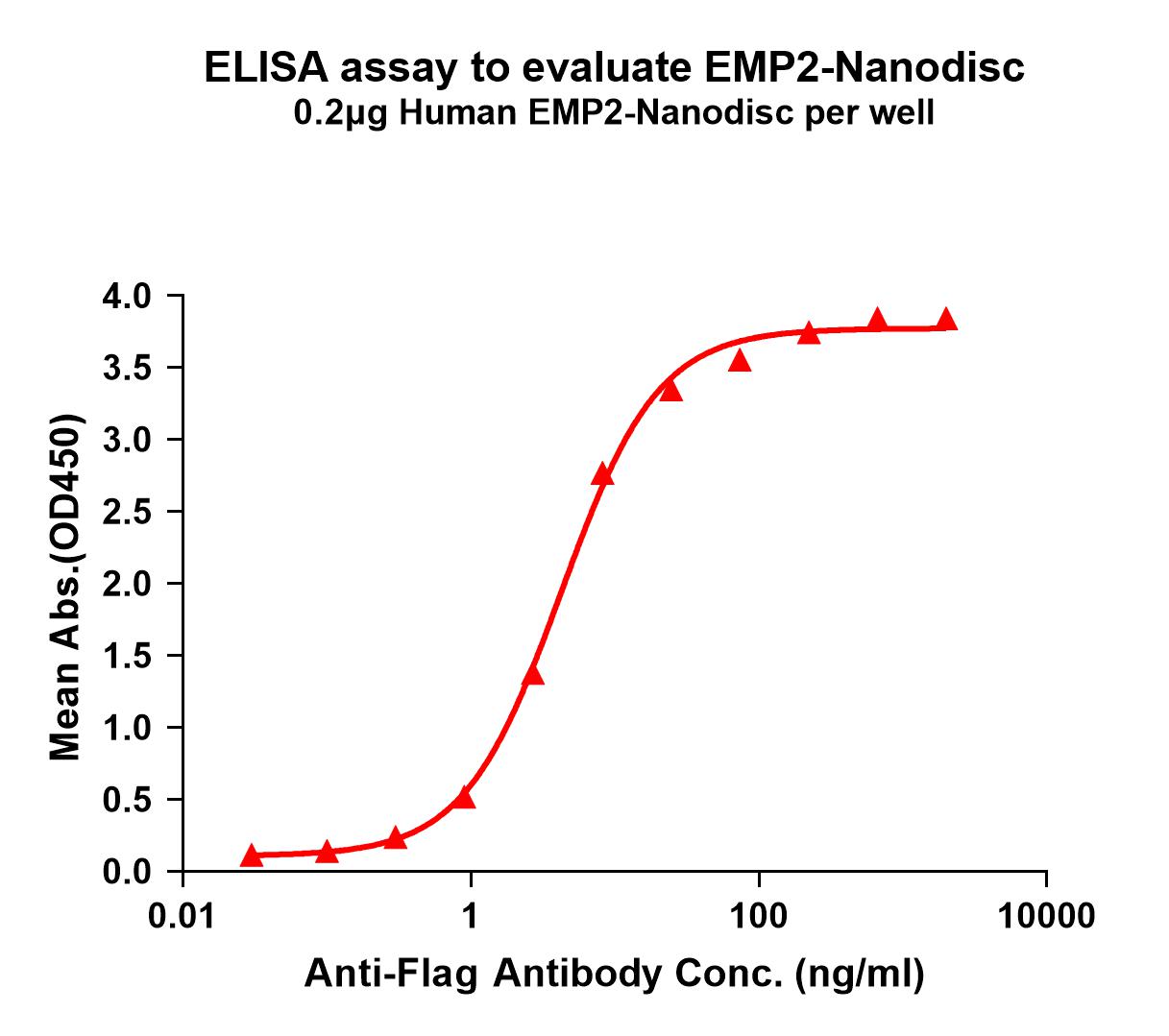
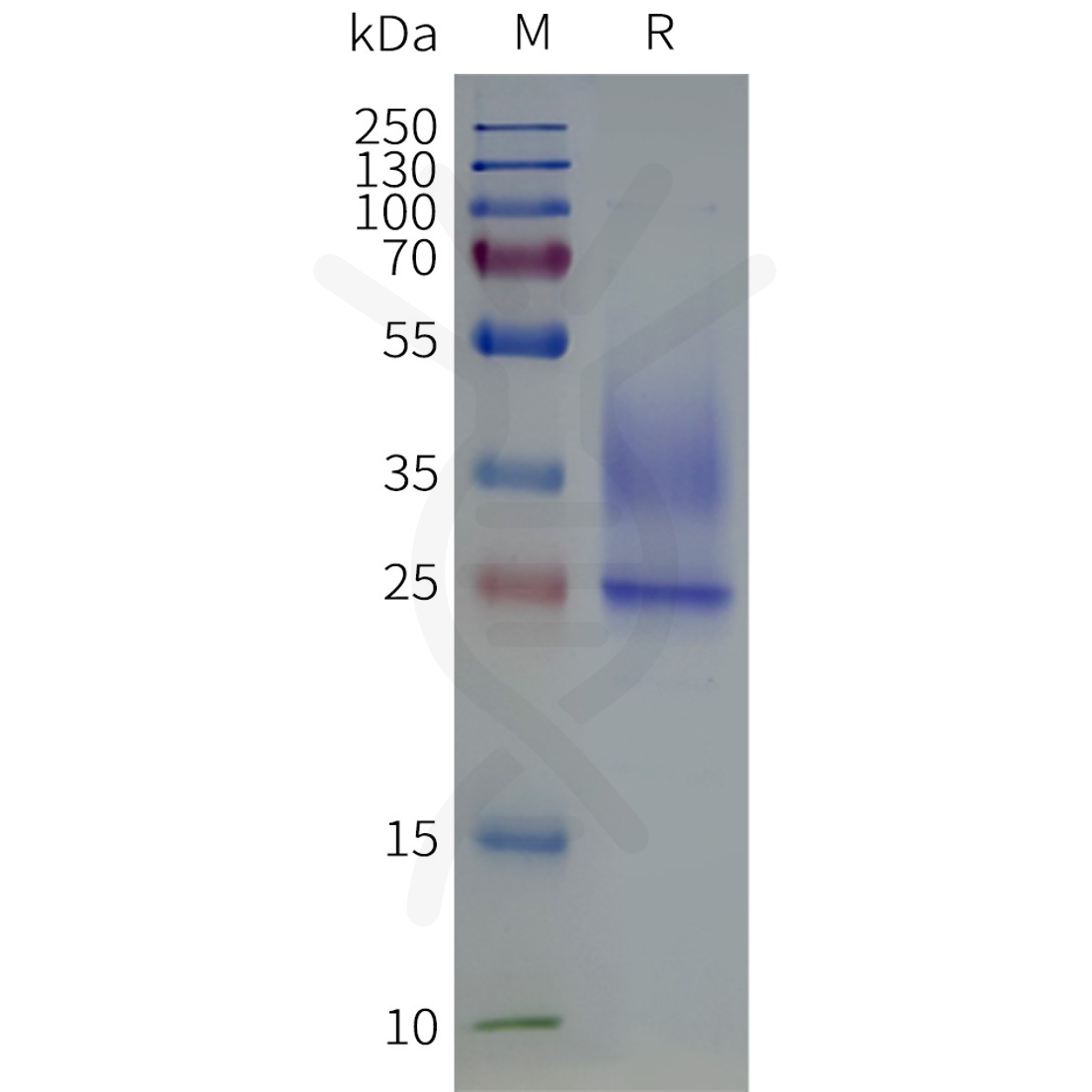
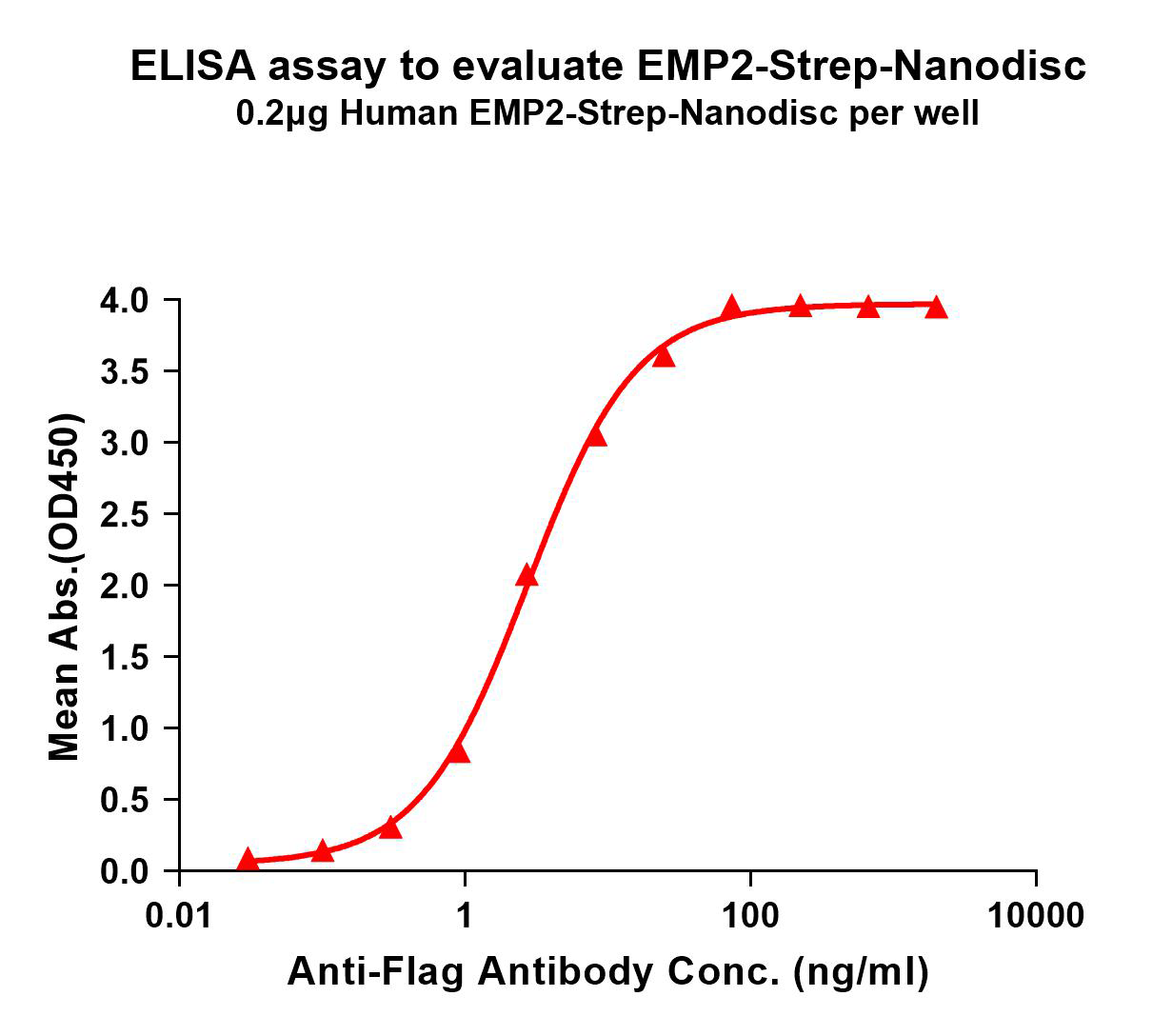
Based on Synthetic Nanodisc technology, DIMA Biotech provides full-length Human EMP2 Nanodisc protein in a near-native membrane environment. Currently, two EMP2 products are available, both expressed using the HEK293 system. These products can support antibody discovery, ELISA, SPR/BLI binding analysis, and target validation studies.
Product Validation Data:
Human EMP2 Full-Length Protein–Synthetic Nanodisc
(Cat. No.FLP100149)
Human EMP2-Strep Full-Length Protein–Synthetic Nanodisc
(Cat. No.FLP120149)
For more information about our products, please feel free to contact us.
References
[1] Elkholy A, Kudaravalli E, Mohamed M, et al. EMP2 is a potential immunotherapeutic target to modulate macrophage-induced phagocytosis in glioblastoma. Cancer Research. 2026;86(7_Supplement):7017. [2] Wang X, Chen S, He G, et al. Cholesterol modified defense peptide as an EMP2-siRNA delivery system for synergistic immunogene therapy against breast cancer. Materials Today Bio. 2025;35:102321. DOI: 10.1016/j.mtbio.2025.102321. [3] Zheng M, Hang S, Hu C, et al. Development of antibody drug conjugates targeting epithelial membrane protein 2-highly expressed lung cancer. Cell Death & Disease. 2025;16:771. DOI: 10.1038/s41419-025-08125-7. [4] Jang JY, et al. The Multifaceted Role of Epithelial Membrane Protein 2 in Cancer: From Biomarker to Therapeutic Target. Biomolecules & Therapeutics. 2024. [5] Pang H, Wu F, Zhang Y, et al. EMP2 promotes hepatocellular carcinoma proliferation and invasion by activating cellular autophagy. Oncology Research. 2025;33(2):443–464. DOI: 10.32604/or.2024.043948. [6] UniProt Consortium. EMP2-Epithelial membrane protein 2, Homo sapiens. UniProtKB: P54851. [7] EMP2 Serves as a Functional Biomarker for Chemotherapy Response in Triple-Negative Breast Cancer. Cancers. 2024;16(8):1481. [8] Fu M, et al. Rationale and Preclinical Efficacy of a Novel Anti-EMP2 Antibody for the Treatment of Breast Cancer. Molecular Cancer Therapeutics.