Author Archives: 瑶 翟

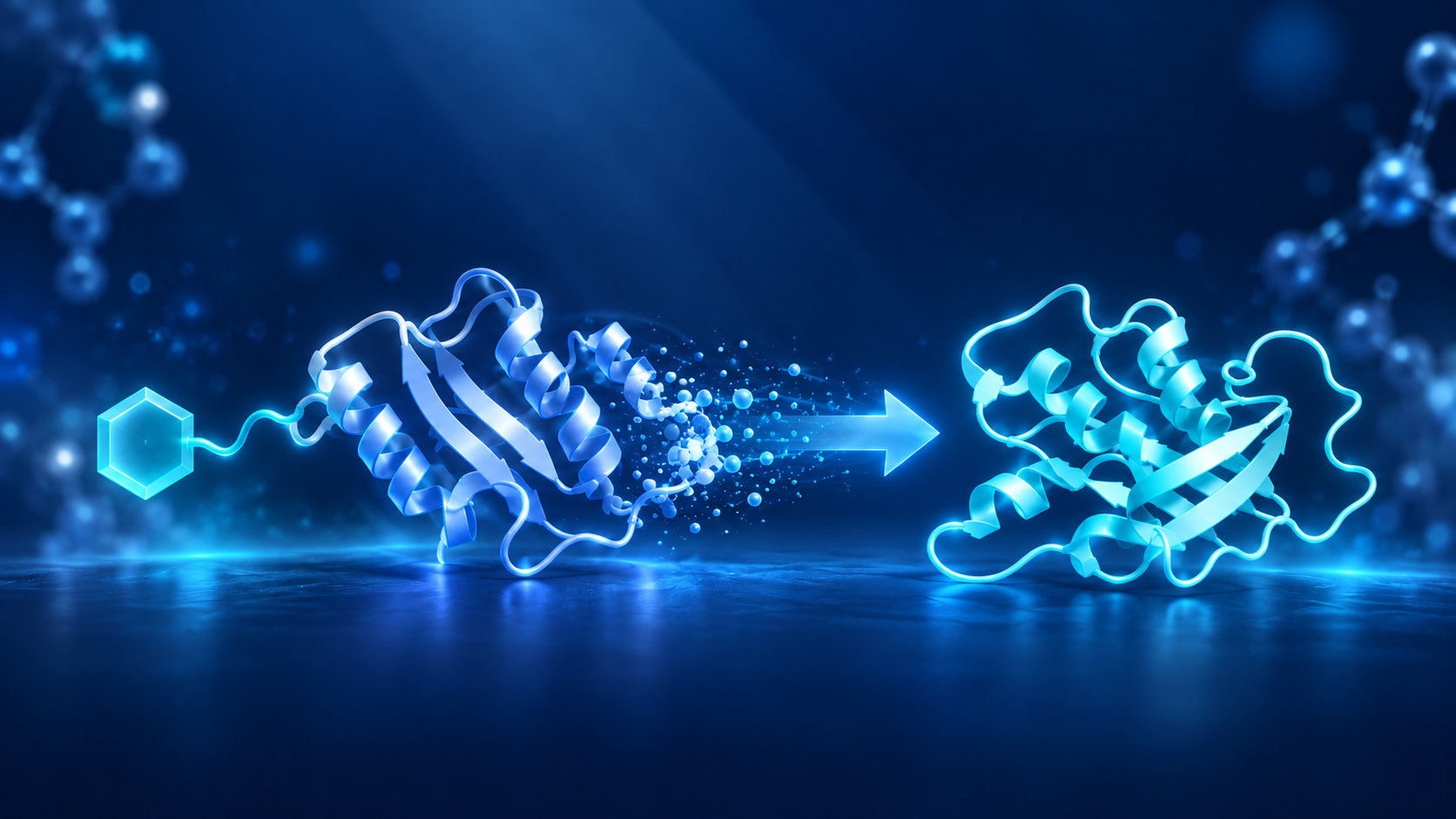
Sortase A Protease: A Versatile Enzymatic Tool for Site-Specific Protein Engineering

Site-specific protein ligation is increasingly critical in applications such as protein labeling, antibody conjugation, and multifunctional fusion protein construction. Sortase A (SrtA), a transpeptidase from Gram-positive bacteria, is widely used for its LPXTG motif recognition and efficient ligation with oligoglycine substrates, with engineered variants further improving catalytic efficiency and control.

Blog 2026-04-16

$40B in March 2026: From ADHD to TCEs-What Big Pharma Is Really Chasing

Ahead of the 2026 AACR Annual Meeting, global business development (BD) activity surged in March, showing clear structural trends. On one hand, large-scale M&A and licensing deals continued to concentrate in oncology and immunology. On the other hand, emerging technology platforms such as AI-driven drug discovery, targeted protein degradation (TPD), and multispecific antibodies gained significant momentum. Meanwhile, Chinese biotech companies deepened their participation in global dealmaking through NewCo structures and regional licensing.
This report systematically organizes key March transactions by therapeutic area to highlight the core logic and emerging hotspots in innovative drug BD.

Blog 2026-04-15

GPR84: A Key Medium-Chain Fatty Acid Receptor Linking Metabolism and Immunity

Immunometabolism has emerged as a key frontier in drug discovery, with GPR84 gaining attention as a medium-chain fatty acid receptor linking metabolism and immune regulation. It plays a dual role by enhancing macrophage phagocytosis and anti-tumor immunity, while also promoting inflammation through NLRP3 inflammasome activation. Despite its clear biological significance and involvement in the tumor microenvironment, the clinical development of GPR84-targeted therapies remains challenging, highlighting the need for a deeper understanding of its structure, signaling, and therapeutic potential.

Blog 2026-03-27

SLC7A11xCT: A New Multidimensional Battlefield in Tumor Therapy from Ferroptosis to Immunotherapy

SLC7A11 (xCT), the functional subunit of the cystine/glutamate antiporter System xc⁻, plays a central role in tumor redox balance by mediating cystine uptake for glutathione (GSH) synthesis, thereby protecting cancer cells from oxidative stress and ferroptosis. Recent studies published in *Cell* and *Nature* in 2025 further revealed that SLC7A11 can also trigger disulfidptosis under specific metabolic conditions, highlighting a context-dependent vulnerability in cancer cells. These findings position SLC7A11 at the intersection of ferroptosis, metabolic stress, and emerging cell death pathways, making it a promising therapeutic target. This article summarizes the structural features of SLC7A11, its regulatory role in ferroptosis, and recent advances in related therapeutic strategies.

Blog 2026-03-09

February BD Roundup: Global Biopharma Deals Accelerate Despite Holiday Slowdown

Although February coincided with the Lunar New Year holiday and a seasonal slowdown in market activity, global biopharma business development remained highly active. From RNAi licensing and CAR-T acquisitions to antibody collaborations and AI-driven drug discovery alliances, multiple headline transactions were announced in rapid succession, many reaching multi-billion-dollar values.

Blog 2026-03-04

DIMA BIOTECH Invites You to BIOCHINA 2026

DIMA BIOTECH will showcase its DiMPro™ Nanodisc-based full-length multi-transmembrane protein solutions and therapeutic antibody discovery platforms at BIOCHINA 2026. With a library of 5,000+ monoclonal antibodies covering 500+ targets and functionally validated GPCR products, we provide exclusive exhibition support to accelerate innovative drug preclinical development.

News 2026-02-26

CCR8: A Precision Treg-Depleting Target in the Tumor Microenvironment

At the 2025 American Society of Clinical Oncology (ASCO) Annual Meeting, innovative therapies targeting CCR8 showed a strong surge. LM-108 from LaiSun Pharma/China National Biotec Group and ICP-B05 from Innocare demonstrated promising efficacy, with significant depletion of tumor-infiltrating Treg cells. Meanwhile, major pharmaceutical companies including Bristol Myers Squibb, Agenus, Gilead, and Jounce have made substantial investments in CCR8 programs, highlighting the strategic importance of CCR8 as a key target for overcoming resistance to PD-1/L1 therapies.

Blog 2026-02-24

Targeting TREM2: Mechanisms, Diseases, and Drug Development

In this review, we present an integrated overview of TREM2, covering its structure, expression patterns, biological functions, disease relevance, and the current landscape of TREM2-targeted drug development, with the aim of clarifying its potential as an emerging therapeutic target.

Blog 2026-02-11

STAB1/Stabilin-1: Reprogramming Macrophages to Unlock Tumor Immune Suppression

STAB1 (Stabilin-1) is an emerging immunoregulatory receptor expressed on tumor-associated macrophages. Targeting STAB1-driven macrophage reprogramming offers a promising strategy to reverse tumor immune suppression and enhance cancer immunotherapy responses within the tumor microenvironment.

Blog 2026-02-05

Over USD 50 Billion! A Global Surge in Pharma BD and M&A Deals in January 2026

January 2026 global pharma BD and M&A activity highlights sustained capital concentration in innovative targets, AI-driven drug discovery, bispecific antibodies, and peptide therapeutics. Large multinational pharmaceutical companies continue to rapidly reinforce pipelines through acquisitions, licensing, and strategic collaborations, while Chinese innovators steadily enhance their negotiating power on the global stage.

Blog 2026-02-02