Roundup of Autoimmune Therapeutics Developments in July
The popularity of the autoimmune track is still in full swing…
Autoimmune diseases are a diverse and complex group of disorders characterized by immune dysregulation resulting from aberrant interactions between the innate and adaptive immune systems. Their pathogenesis is multifactorial, and the clinical manifestations are highly heterogeneous, posing significant challenges to effective treatment. Although recent advances have shed light on key pathological processes and molecular mechanisms,…
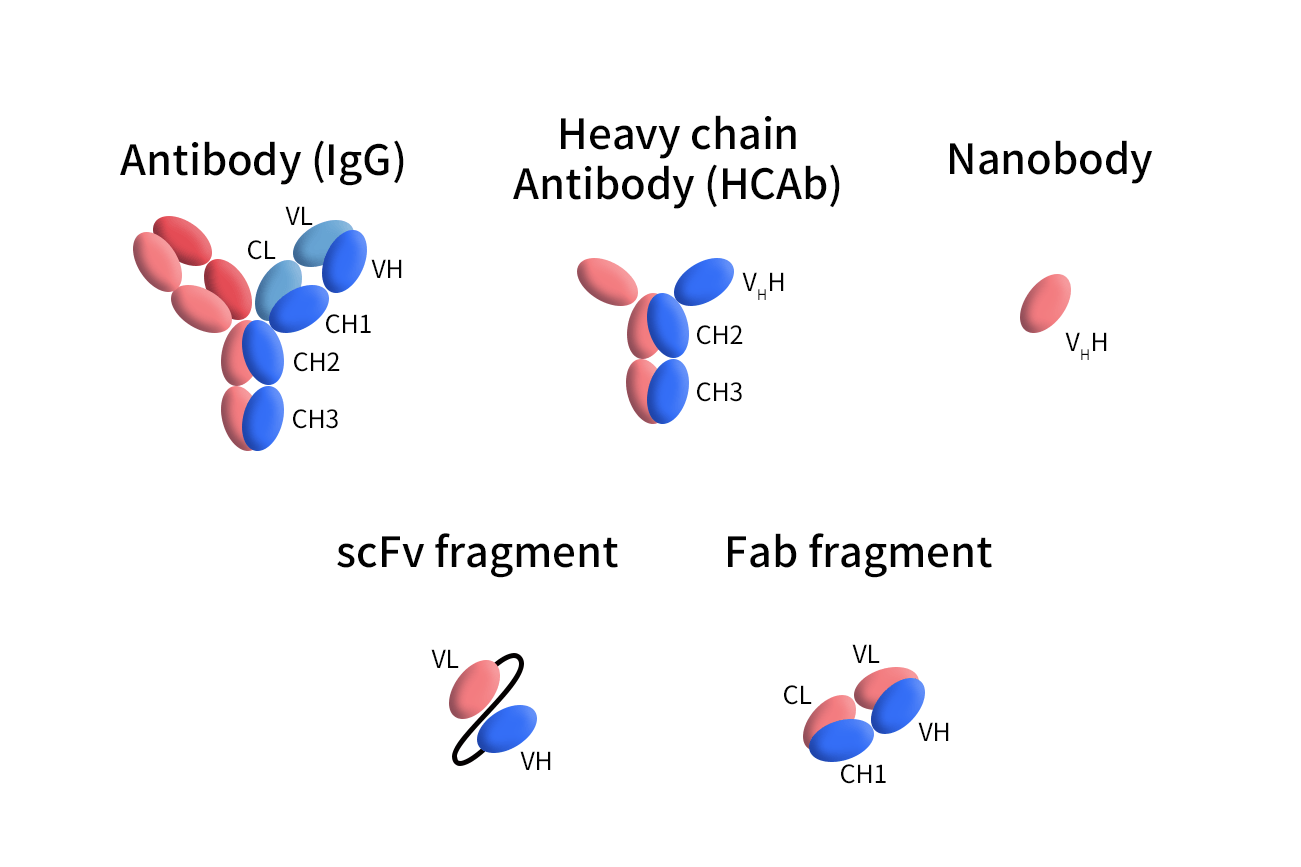
1. CAR Positivity Detection As CAR-T therapy matures, reliably measuring CAR expression on T cells has become crucial for preclinical quality control, release criteria, and efficacy prediction. The key metric, “CAR positivity rate” (%CAR⁺), reflects how well CAR binds its target antigen, typically assessed via flow cytometry or ELISA. Common detection reagents include: Notably, detection…
Up to $13 billions! A Roundup of Major Autoimmune Transactions in the First Half of 2025.
In recent years, the successive approvals of two new drugs have once again brought a chemokine receptor into the spotlight. In 2023, the FDA approved Motixafortide (brand name Aphexda) in combination with long-acting G-CSF for hematopoietic stem cell mobilization in patients with multiple myeloma. Then in 2024, the FDA approved Mavorixafor (Xolremdi) for the treatment…
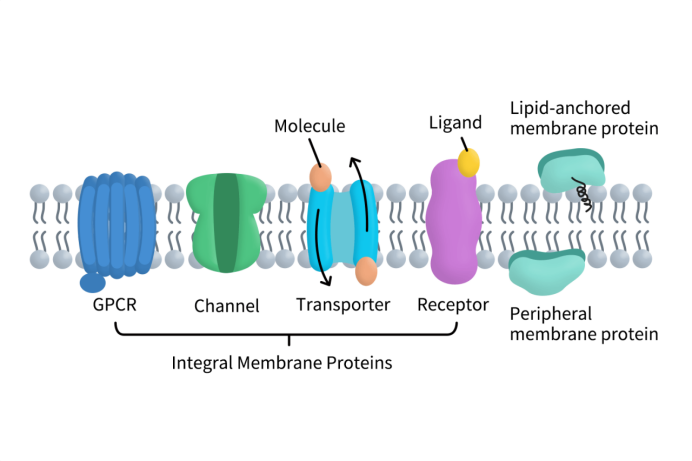
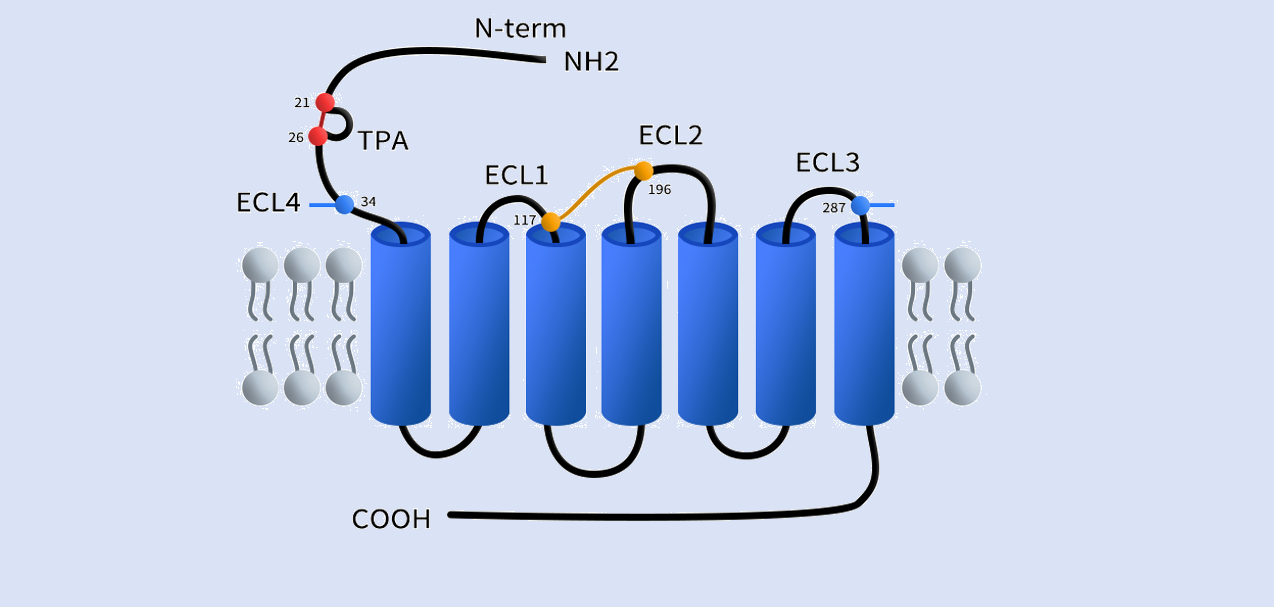
CCR1 (C-C motif chemokine receptor 1) is a G protein-coupled receptor (GPCR) involved in inflammatory responses and immune cell migration. In recent years, with the deepening research on immune-related diseases and the tumor microenvironment, CCR1 has gradually emerged as an important therapeutic target for autoimmune diseases, tumors, and organ fibrosis. 1. Overview of CCR1 Chemokine monomers…
Acute myeloid leukemia (AML) is a complex and highly heterogeneous hematologic malignancy closely associated with various cytogenetic and chromosomal abnormalities. Among them, mutations in the FMS-like tyrosine kinase 3 (FLT3) gene are one of the most common genetic alterations. Studies have shown that approximately 25% of AML patients carry FLT3 internal tandem duplication mutations (FLT3-ITD), while about…
Efforts to improve traditional ADCs have primarily focused on the three key components: the antibody, the linker, and the payload. Previously, we summarized the research progress in bispecific ADCs. Here, we further consolidate the pipeline updates of dual-payload ADCs.
In the drug development efforts targeting complex diseases such as neuropsychiatric disorders, metabolic dysregulation, and cancer, the neuropeptide Y (NPY) receptor family is garnering increasing attention from researchers and pharmaceutical companies alike. As a typical subfamily of G protein-coupled receptors (GPCRs), NPY receptors not only regulate a variety of physiological processes but also play critical…
At the 2025 AACR Annual Meeting, Chinese ADC drugs have emerged in various forms such as bispecific ADCs and dual-toxin ADCs, forming a unique landscape at the AACR meeting. Here, we summarize the key players and target pipelines in the bispecific ADC (BsADC) space, based on AACR data.