Author Archives: 瑶 翟

Breaking Down WCLC 2025 The Most Talked-About Lung Cancer Targets

The 2025 World Lung Cancer Conference (WCLC) will be held by the International Association for the Study of Lung Cancer (IASLC) in Barcelona, Spain, from September 6th to 9th, 2025. As one of the most influential events in the global oncology community, WCLC provides a platform for academic exchange on the latest research findings and…

Blog 2025-09-18

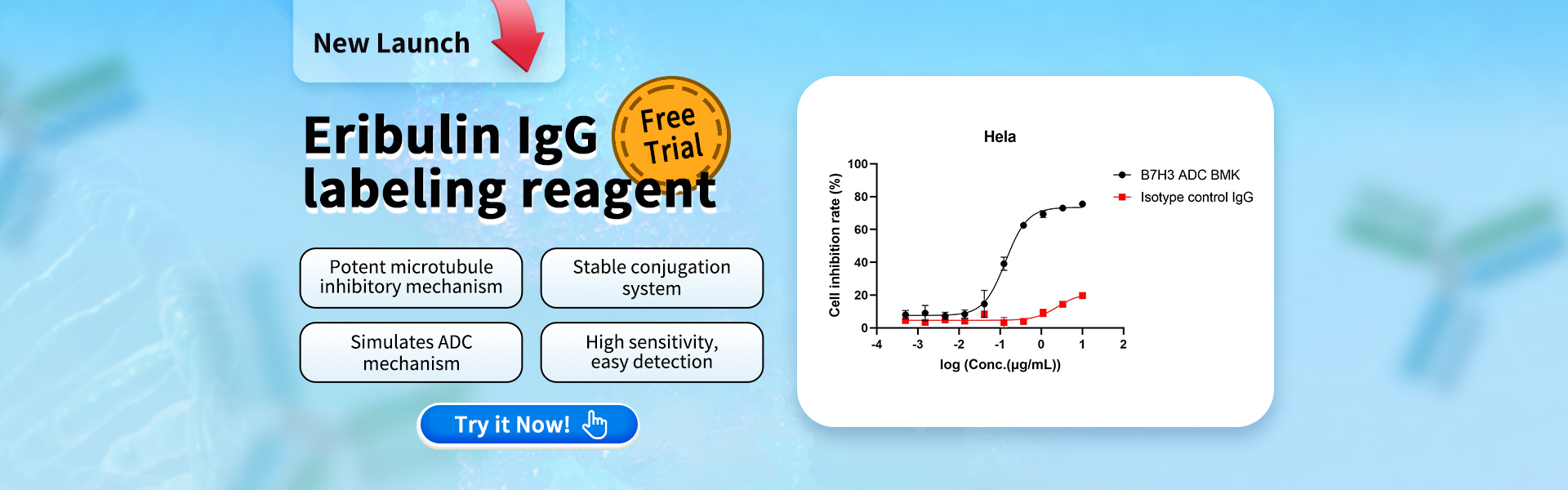
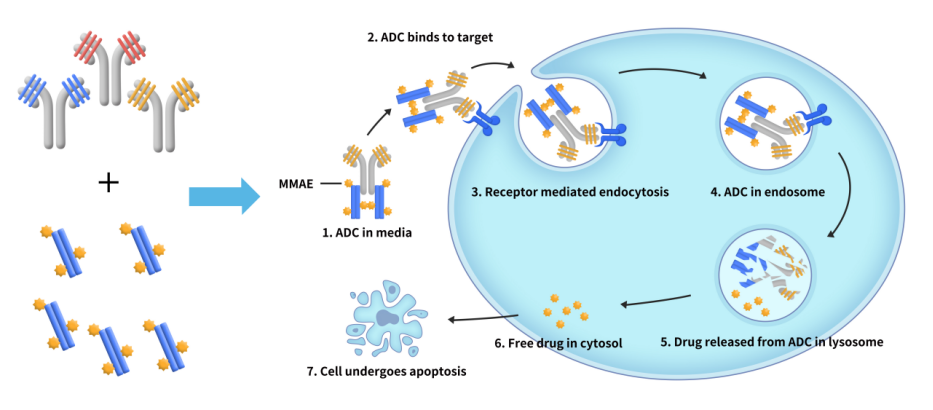
Unleash the Power of ADC Research: Eribulin IgG Labeling Reagent is Here!

In the field of cancer therapy, microtubule inhibitors are among the most classic types of cytotoxic agents. By blocking the dynamic assembly of microtubules, they directly interfere with cell division. From taxanes and vinca alkaloids to MMAE (monomethyl auristatin E), these molecules have long been indispensable weapons in the development of antibody-drug conjugates (ADCs). 1….

News 2025-08-27
pages-cover

Applications of Nanodiscs in Membrane Protein Research

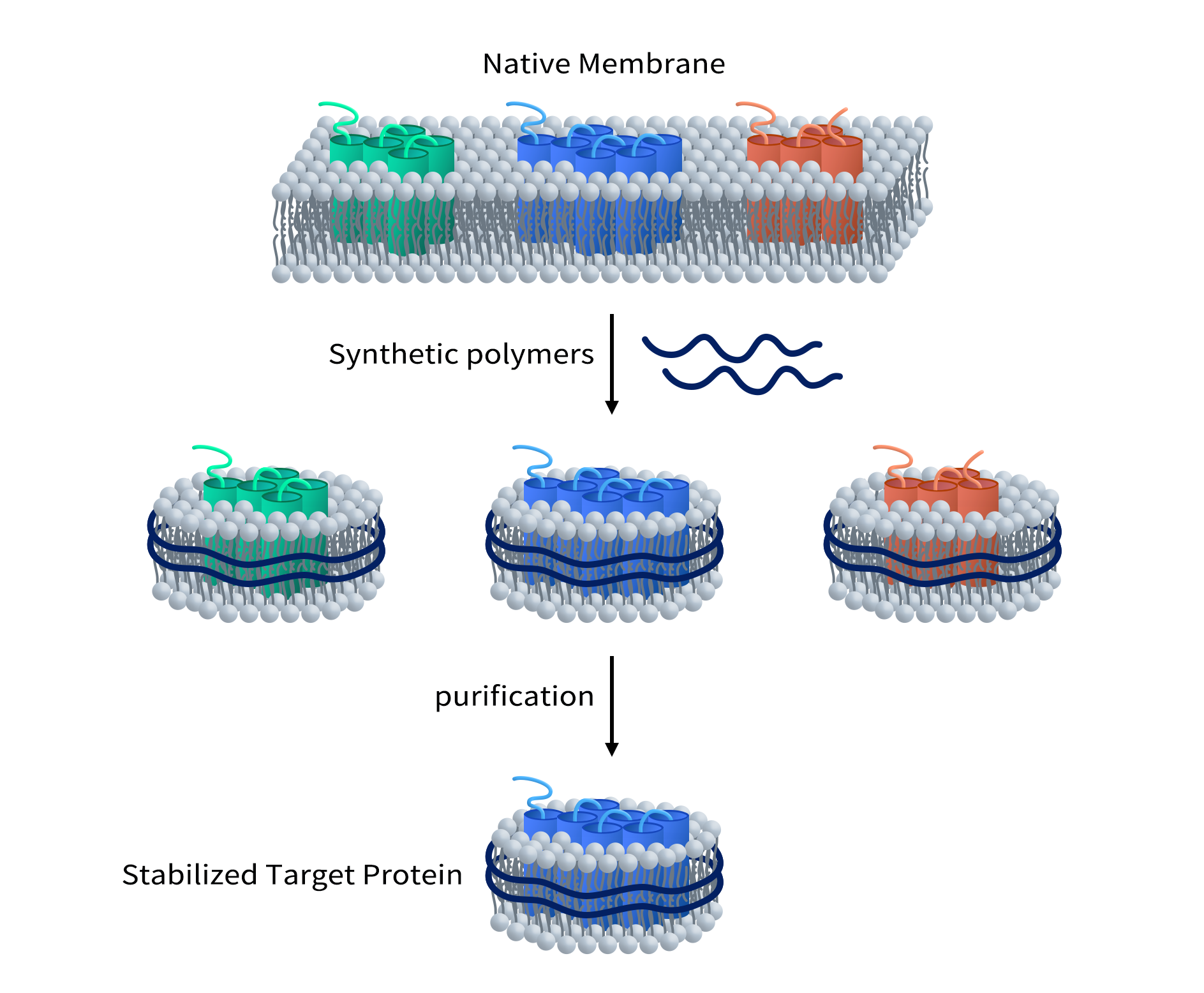
Membrane proteins account for approximately 20-30% of proteins encoded by the human genome and play central roles in cell signaling, substance transport, and cell recognition. Aberrant expression and dysfunction of membrane proteins are closely associated with a variety of diseases, including cancer, neurological disorders, and metabolic diseases, making them key focuses in drug discovery. Among…

Blog 2025-08-22

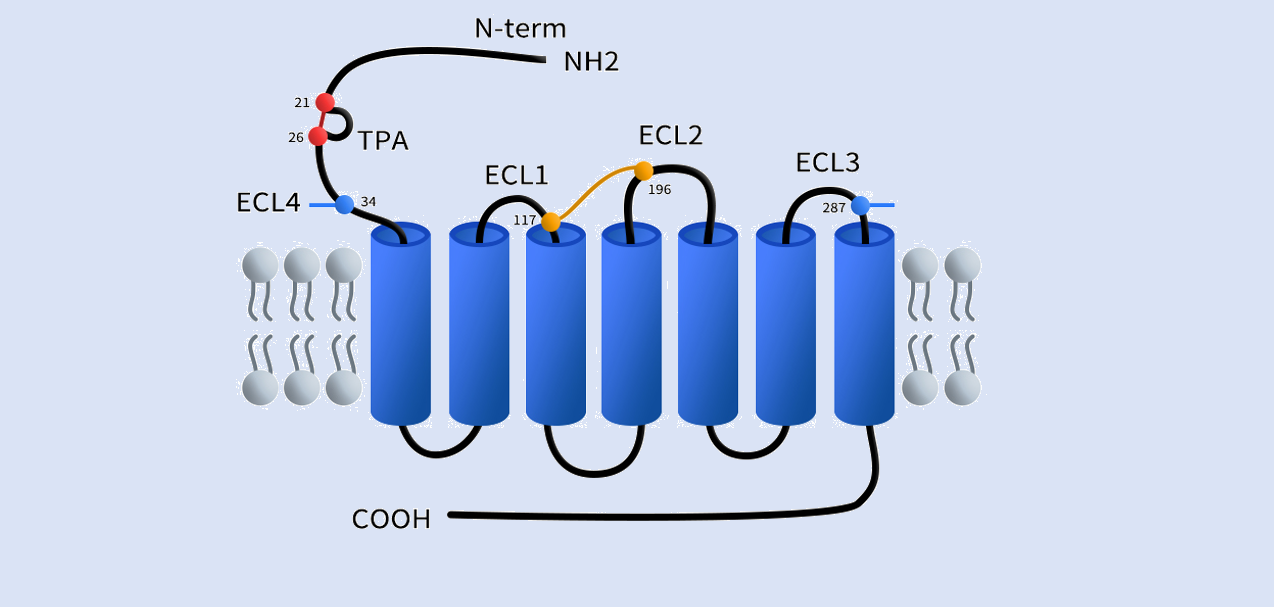
Emerging Chemokine Receptor CXCR7/ACKR3: A Promising Target in Disease Therapy

In recent years, the role of chemokine receptors in immune regulation, tumor development, and tissue repair has attracted increasing attention. C-X-C chemokine receptor type 7 (CXCR7), also known as ACKR3 (Atypical Chemokine Receptor 3), serves as an atypical receptor for CXCL12/CXCL11. Owing to its unique signaling mechanism and functional roles in various diseases, CXCR7 has…

Blog , 2025-08-11

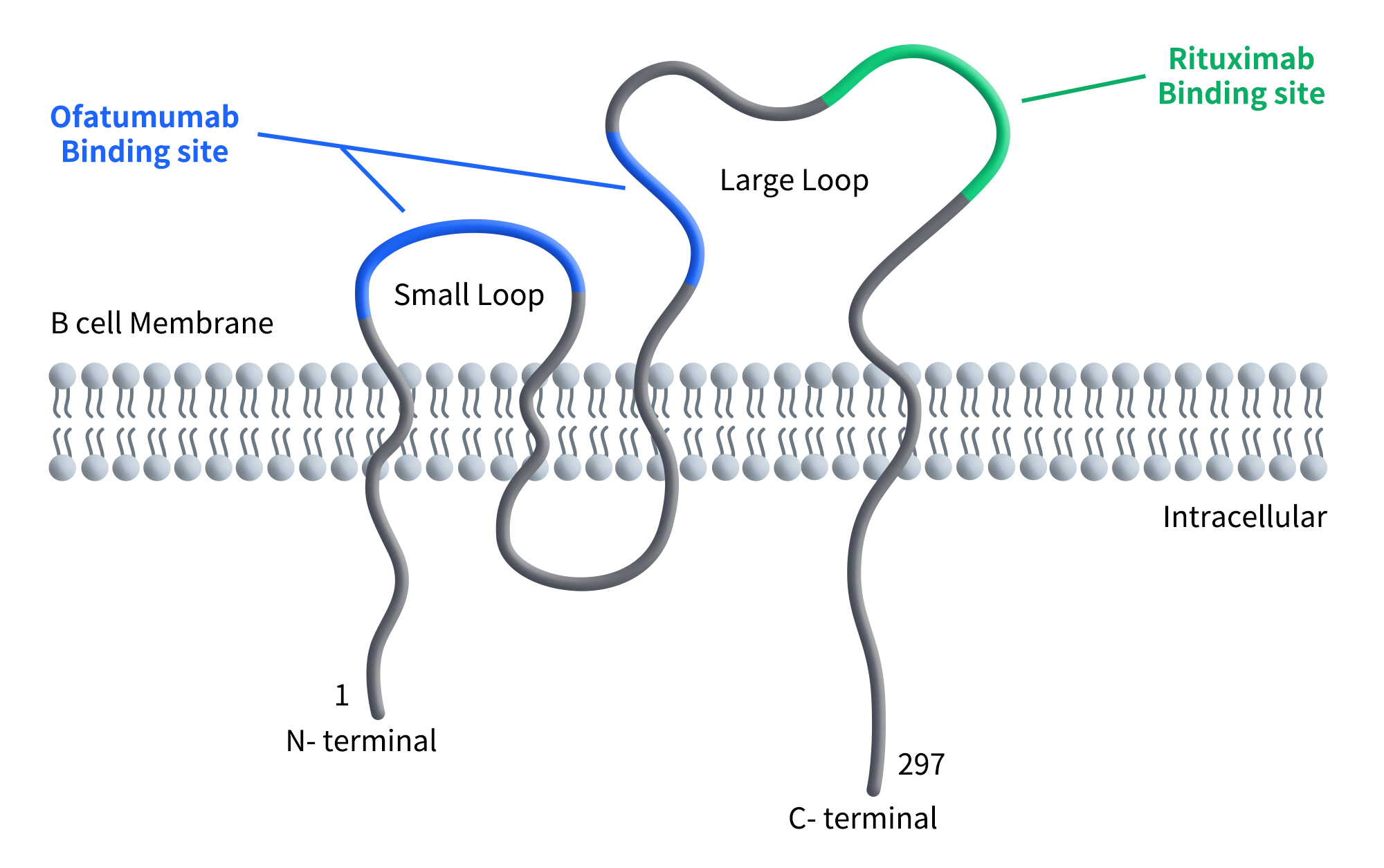
Research Progress on CD20 in Autoimmune Diseases

Autoimmune diseases are a diverse and complex group of disorders characterized by immune dysregulation resulting from aberrant interactions between the innate and adaptive immune systems. Their pathogenesis is multifactorial, and the clinical manifestations are highly heterogeneous, posing significant challenges to effective treatment. Although recent advances have shed light on key pathological processes and molecular mechanisms,…

Blog 2025-07-31

Solving the Challenge of Detecting CAR Positivity for Membrane Proteins—PeptiNanodisc to the Rescue!

1. CAR Positivity Detection As CAR-T therapy matures, reliably measuring CAR expression on T cells has become crucial for preclinical quality control, release criteria, and efficacy prediction. The key metric, “CAR positivity rate” (%CAR⁺), reflects how well CAR binds its target antigen, typically assessed via flow cytometry or ELISA. Common detection reagents include: Notably, detection…

Blog 2025-07-18

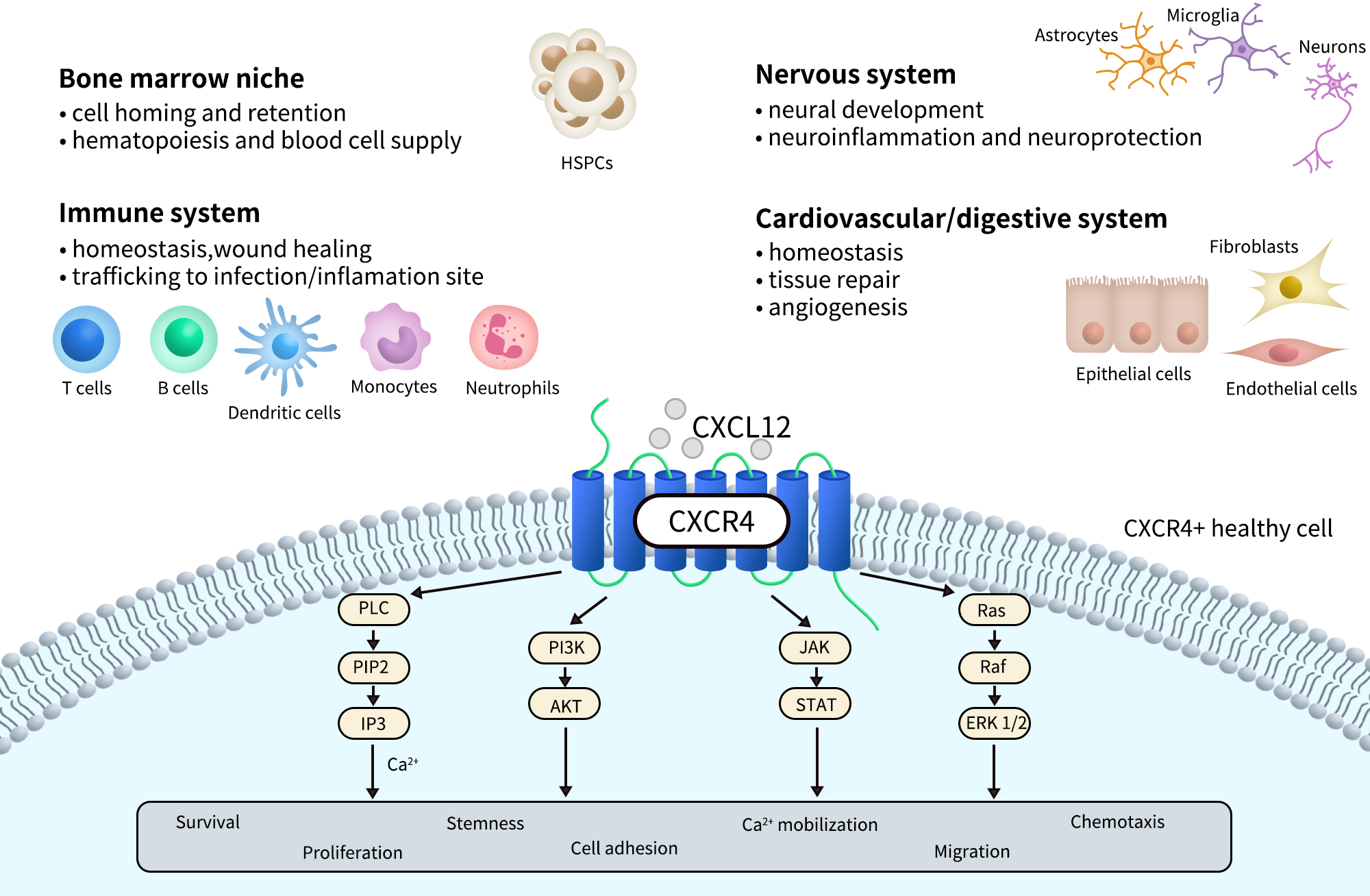
One receptor, two FDA-approved drugs — just how crucial is CXCR4?

In recent years, the successive approvals of two new drugs have once again brought a chemokine receptor into the spotlight. In 2023, the FDA approved Motixafortide (brand name Aphexda) in combination with long-acting G-CSF for hematopoietic stem cell mobilization in patients with multiple myeloma. Then in 2024, the FDA approved Mavorixafor (Xolremdi) for the treatment…

Blog , 2025-07-03

CCR1: An Emerging Target for Immune Regulation and Drug Development

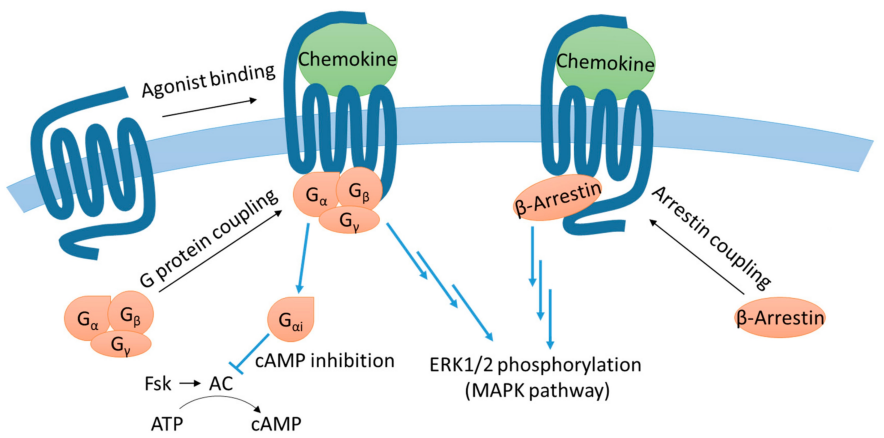
CCR1 (C-C motif chemokine receptor 1) is a G protein-coupled receptor (GPCR) involved in inflammatory responses and immune cell migration. In recent years, with the deepening research on immune-related diseases and the tumor microenvironment, CCR1 has gradually emerged as an important therapeutic target for autoimmune diseases, tumors, and organ fibrosis. 1. Overview of CCR1 Chemokine monomers…

Blog , 2025-06-20

FLT3 | A Key Therapeutic Target in Acute Myeloid Leukemia

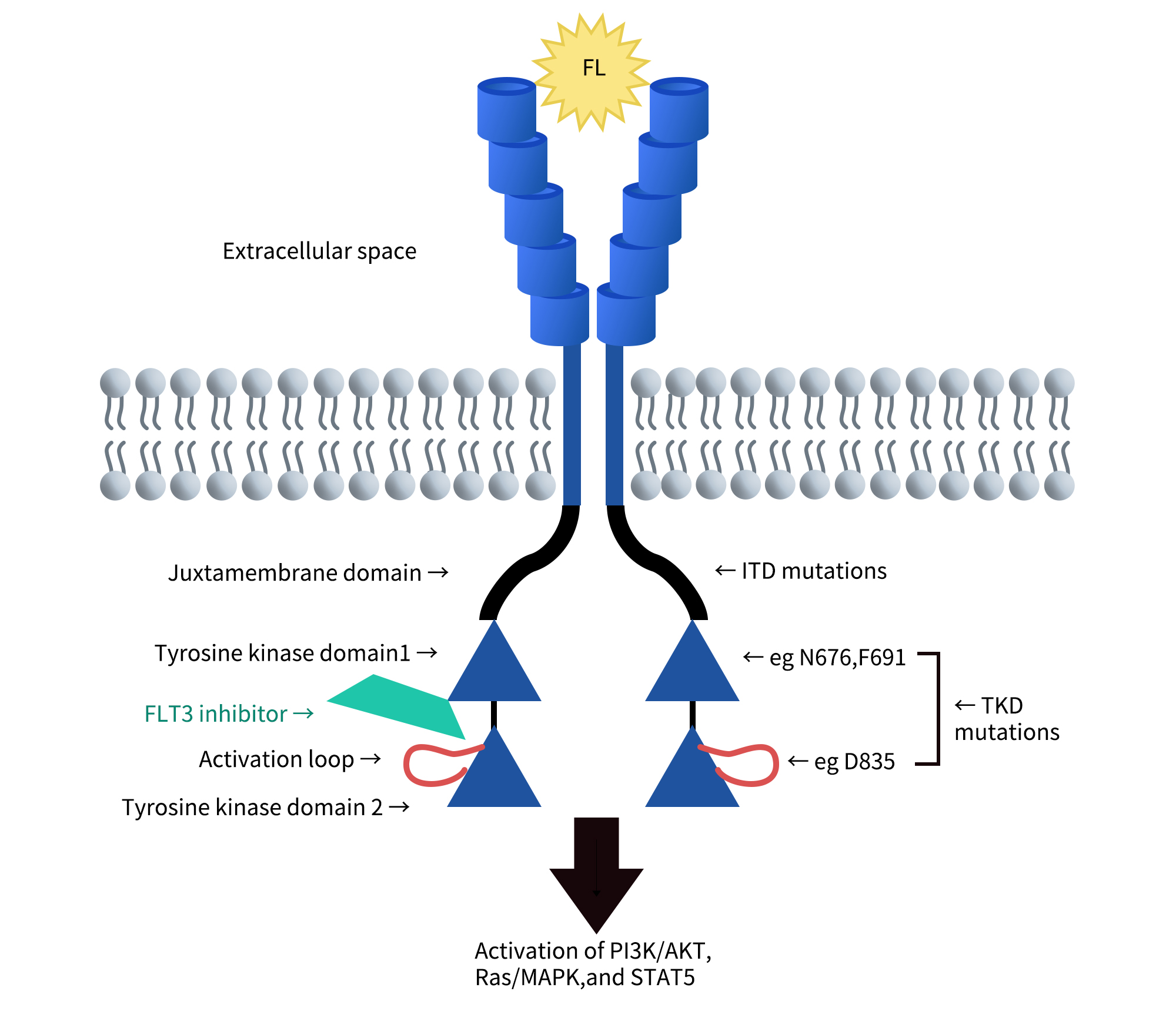
Acute myeloid leukemia (AML) is a complex and highly heterogeneous hematologic malignancy closely associated with various cytogenetic and chromosomal abnormalities. Among them, mutations in the FMS-like tyrosine kinase 3 (FLT3) gene are one of the most common genetic alterations. Studies have shown that approximately 25% of AML patients carry FLT3 internal tandem duplication mutations (FLT3-ITD), while about…

Blog 2025-05-20

NPY Receptor Family: “New Targets” and “Old Challenges” in Disease Treatment

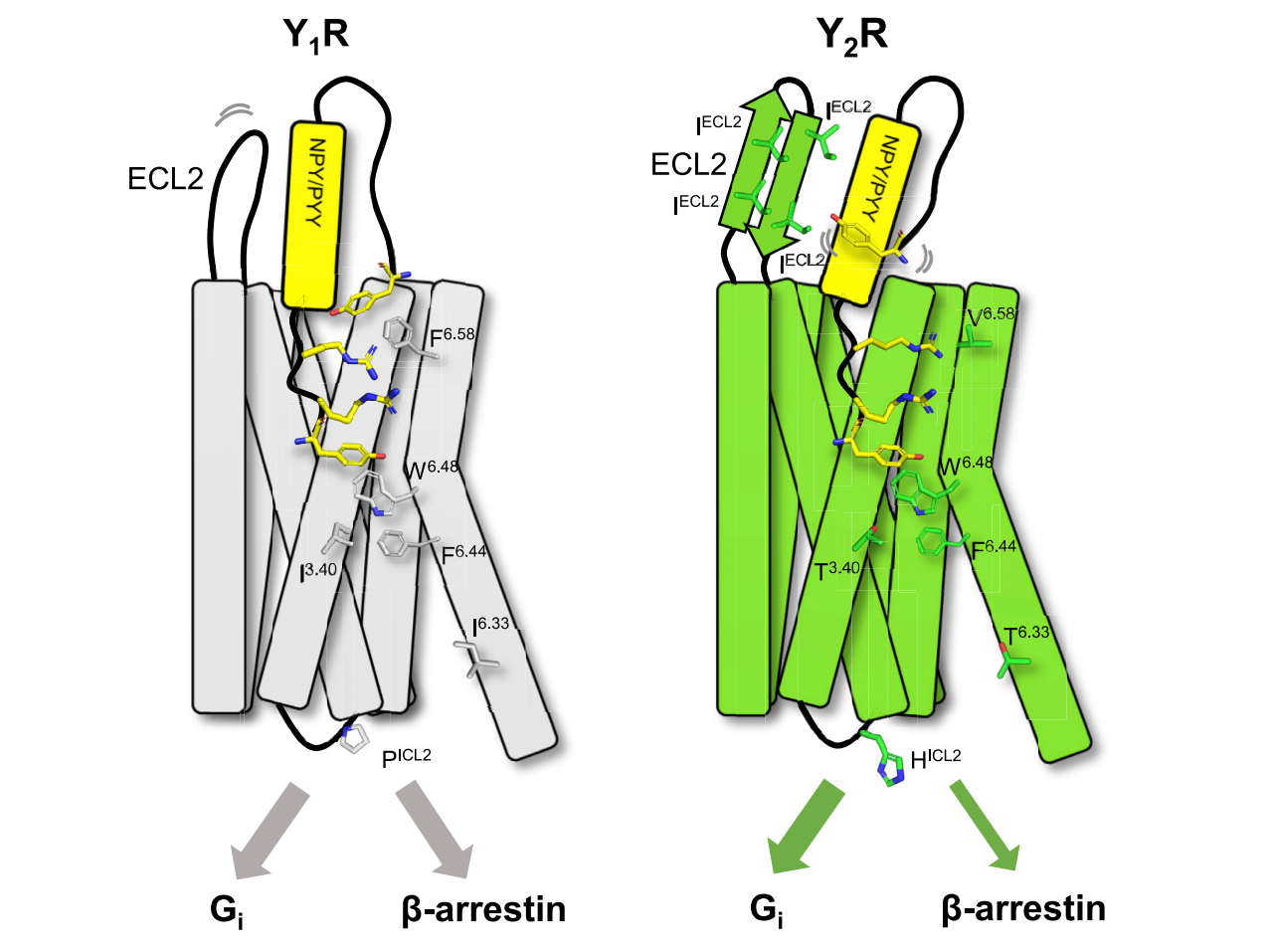
In the drug development efforts targeting complex diseases such as neuropsychiatric disorders, metabolic dysregulation, and cancer, the neuropeptide Y (NPY) receptor family is garnering increasing attention from researchers and pharmaceutical companies alike. As a typical subfamily of G protein-coupled receptors (GPCRs), NPY receptors not only regulate a variety of physiological processes but also play critical…

Blog , 2025-04-28

Unlocking a New Era in Membrane Protein Research: Nanodiscs Empower AI Drug Discovery and Cryo-EM Analysis

In recent years, the rapid development of AI-driven drug discovery (AI-based drug discovery) and Cryo-EM (cryo-electron microscopy) has gradually unveiled the mysteries of many previously considered “undruggable” protein targets. Among them, membrane proteins, which are crucial targets for drug development, are now seeing unprecedented breakthroughs under the dual influence of AI and Cryo-EM technologies. However, membrane protein…

Blog 2025-04-11

Dual-Function Reagent for ADC Screening: Evaluating Internalization and Cytotoxicity in One Step

In recent years, Antibody-Drug Conjugates (ADCs) have gained widespread attention as a key strategy in targeted cancer therapies. The effectiveness of ADCs relies on the specific targeting of the antibody, efficient internalization, and the release of the payload toxin. Therefore, evaluating both the internalization efficiency and cytotoxicity introduced by antibody-payload complex is crucial in ADC…

Blog 2025-04-01

China’s Growing Impact on ADC Development at AACR 2025

The 2025 American Association for Cancer Research (AACR) Annual Meeting is set to take place in Chicago, USA, from April 25 to 30. The recently released conference abstracts highlight the strong presence of Chinese biopharmaceutical companies in the field of antibody-drug conjugates (ADCs). At this year’s conference, Chinese pharmaceutical companies dominate the ADC field, presenting…

Blog 2025-04-01

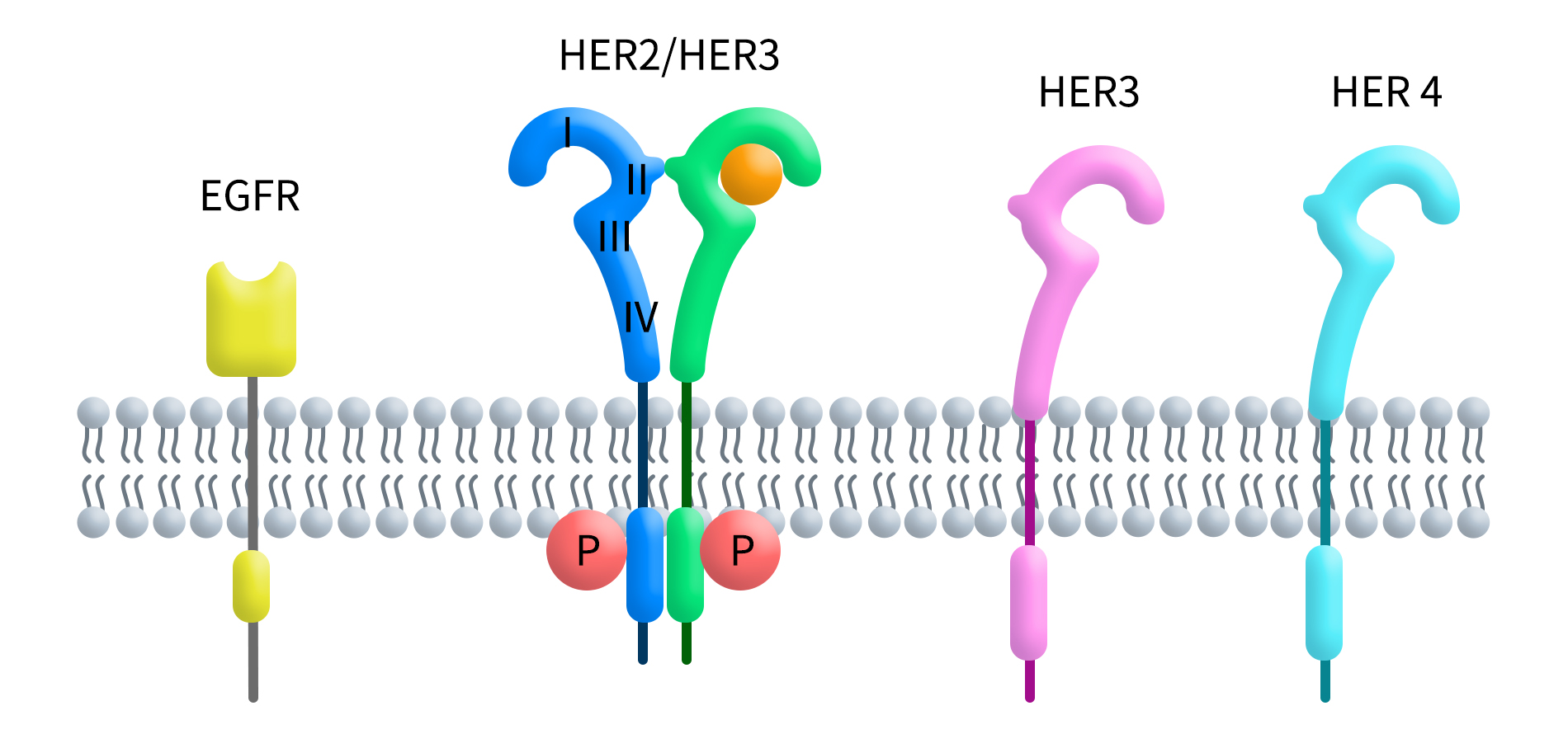
HER2 | A Key Target in Solid Tumor Therapy

On November 20, 2024, Jazz Pharmaceuticals announced that the bispecific antibody Zanidatamab had received accelerated approval from the FDA for the treatment of adult patients with previously treated, unresectable, or metastatic HER2-positive (HER2+, defined as IHC 3+) biliary tract cancer (BTC). Zanidatamab is the first approved HER2-targeting bispecific antibody with dual epitope specificity. On December…

Blog , 2025-02-28

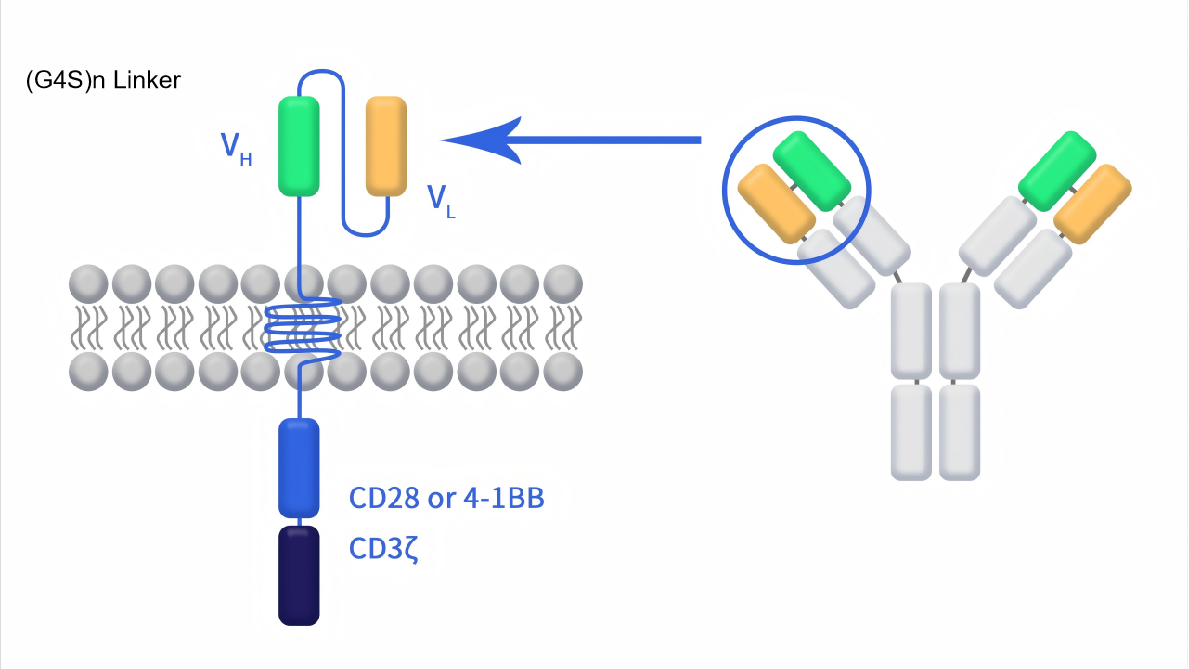
Exciting Launch: The New Anti-(G4S)4 Antibody is Here!

1. About (G4S)n Linkers   The (G4S)n linker refers to a flexible linker composed of one or more repeating units of G4S (Gly-Gly-Gly-Gly-Ser). Due to its moderate length and flexibility, this linker is widely used in molecular designs requiring the connection of two proteins or peptides. 1.1 Structure Amino Acid Sequence: (Gly-Gly-Gly-Gly-Ser)n Repeating Modules: Composed of…

Blog 2025-01-14

Optimizing GPCR Expression and Purification: Enhancing Synthetic Nanodisc Technology with Multiple Tag Strategies

1. About Synthetic Nanodisc The lipid composition of traditional membrane scaffold protein (MSP) nanodiscs often differs from that of natural cell membranes, which can lead to deviations in membrane protein properties compared to their native environment. To address this limitation, DIMA has developed the Synthetic Nanodisc platform. This innovative technology enables the direct preparation of…

Blog 2024-12-26

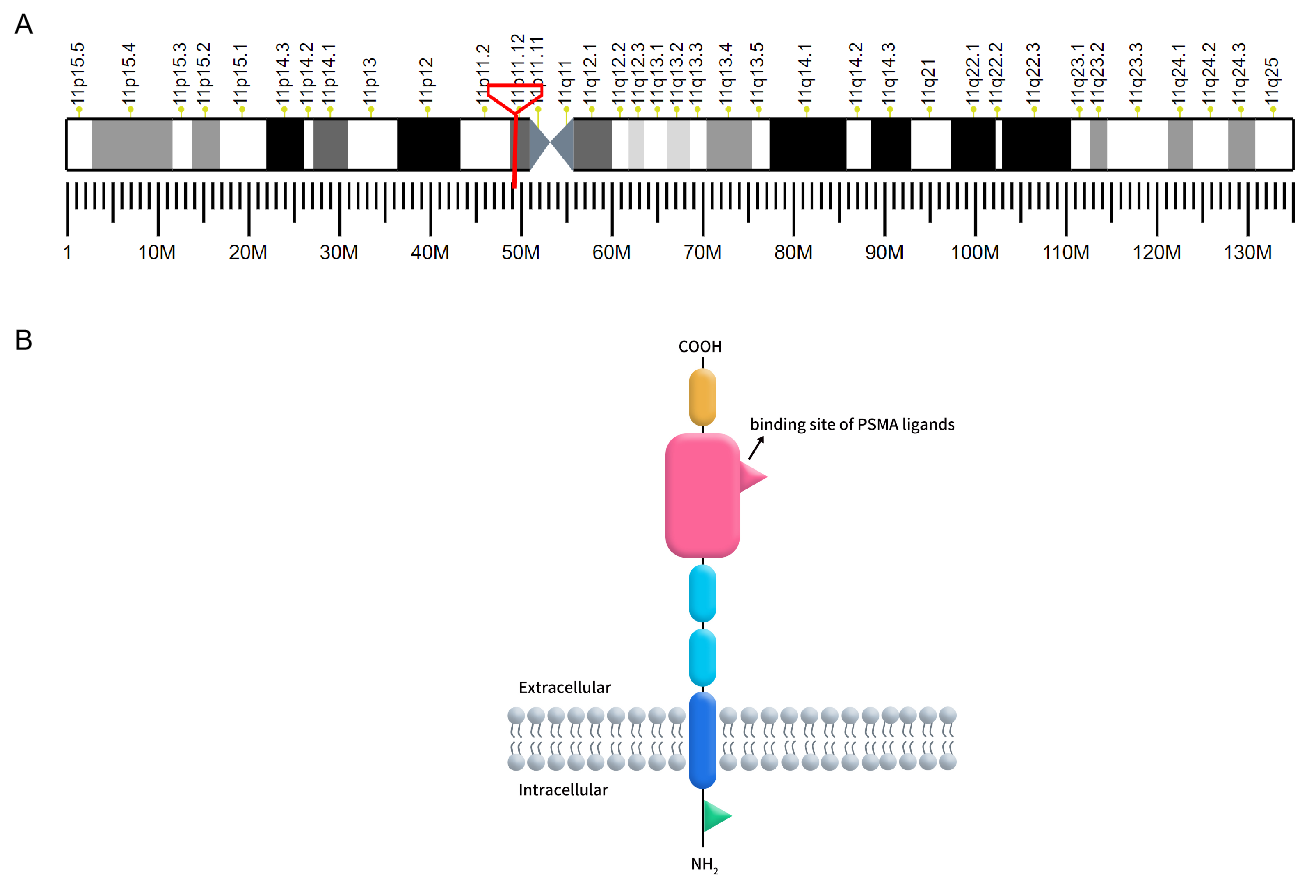
PSMA: A Key Target for Radiotherapy and Diagnosis in Prostate Cancer

Prostate-specific membrane antigen (PSMA) is a pivotal molecular target in the treatment and diagnosis of prostate cancer (PCa). Over the past two decades, extensive research has illuminated its unique molecular characteristics, paving the way for advanced diagnostic and therapeutic approaches. PSMA-targeted imaging techniques, particularly positron emission tomography (PET) radiotracers, have demonstrated exceptional sensitivity in detecting…

Blog 2024-12-13

GDF-15: An Emerging Target for Obesity Treatment

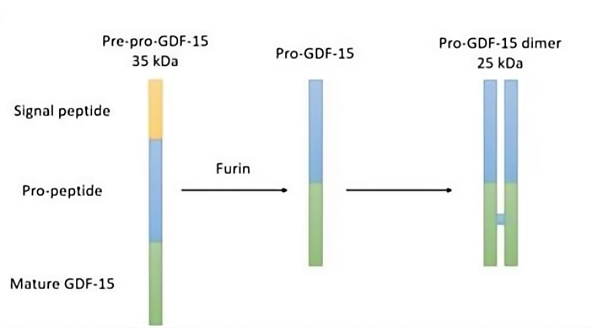
Recent statistics reveal a growing interest in targeting GDF-15 for therapeutic interventions. Currently, there are several drugs targeting GDF-15, with some facing challenges or discontinuation. Of the remaining candidates, many are in early development stages, including preclinical and clinical trials. Specifically, a few drugs have advanced to Phase 1 and Phase 2 clinical trials. These…

Blog 2024-11-13

Advances in Targeting B-Cell Maturation Antigen (BCMA) for Non-Invasive Imaging and Therapy in Multiple Myeloma

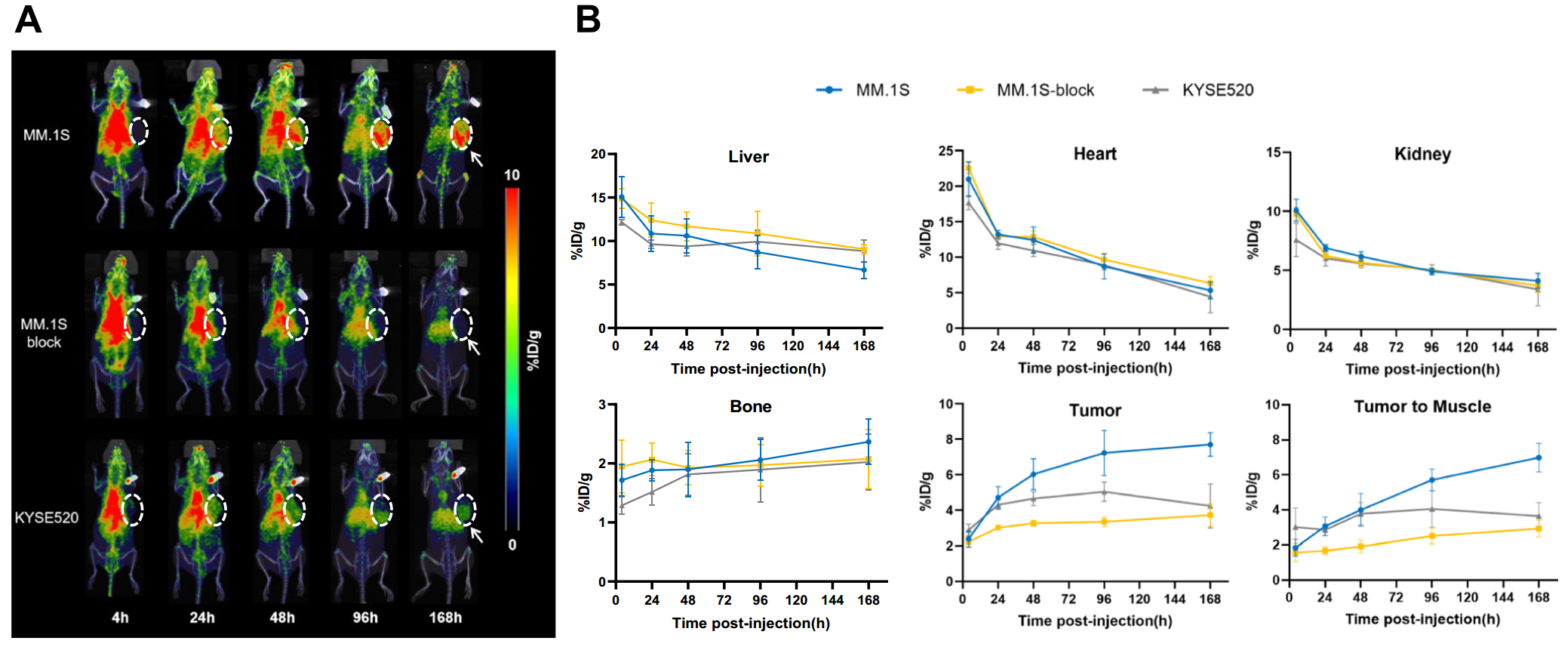
Recent advancements in the field of nuclear medicine have highlighted the significance of B-Cell Maturation Antigen (BCMA) as a pivotal target for the diagnosis and treatment of Multiple Myeloma (MM). In a groundbreaking study published in the European Journal of Nuclear Medicine and Molecular Imaging, a collaborative effort by the molecular imaging team at the First Affiliated Hospital of Jinan University and the Chinese Academy of Medical Sciences has demonstrated the efficacy of the radiolabeled antibody [89Zr]Zr-DFO-BCMAh230430 in non-invasive PET imaging of MM. This research represents a significant step forward in the development of specific immuno-PET probes targeting BCMA, which is highly expressed in malignant plasma cells.

Blog 2024-10-24

The glucagon receptor (GCGR):A Key Target in Glucose Metabolism

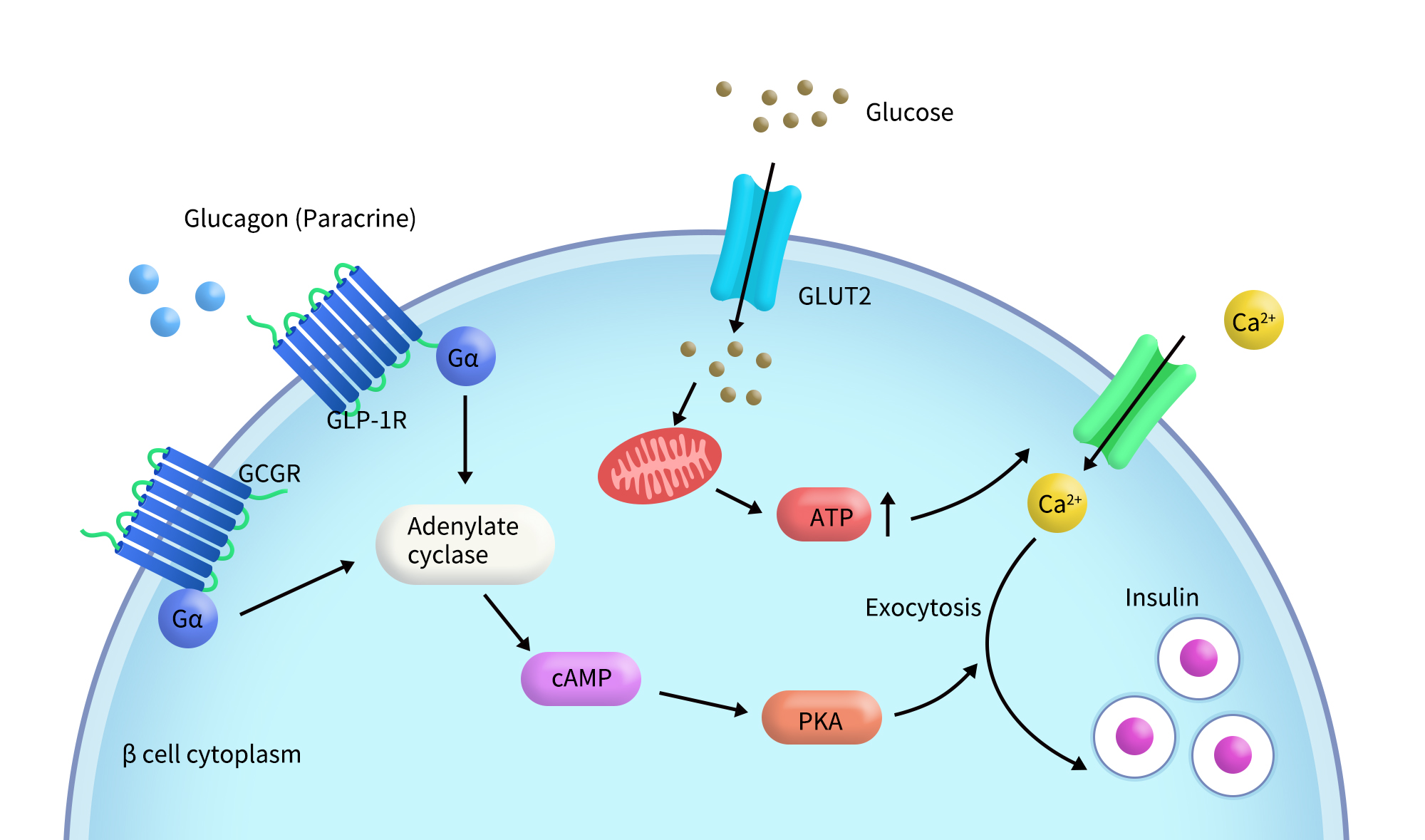
On June 25, 2024, at the 2024 American Diabetes Association (ADA) Scientific Sessions, Suzhou Innovent Biologics and Eli Lilly announced the results of a Phase 3 clinical trialfor the GLP-1R x GCGR dual agonist, Mazdutide. This marks the first Phase 3 clinical trial (GLORY-1) in overweight or obese adults in China。The study’s primary results and exploratory endpoints of liver fat content were disclosed, showing that Mazdutide acts as a dual agonist for both GLP-1R and GCGR. It reduces body weight by suppressing appetite and delaying gastric emptying through GLP-1R activation, while enhancing weight loss efficacy by increasing energy expenditure via GCGR activation. Notably, Mazdutide uniquely promotes fatty acid oxidation and lipolysis in the liver through GCGR activation, thereby improving liver fat metabolism. As GCGR plays a crucial role in glucose metabolism, it has become a hot target in the development of diabetes and weight loss drugs.Let’s delve into the role of  the Glucagon Receptor (GCGR).

Blog ,, 2024-08-29