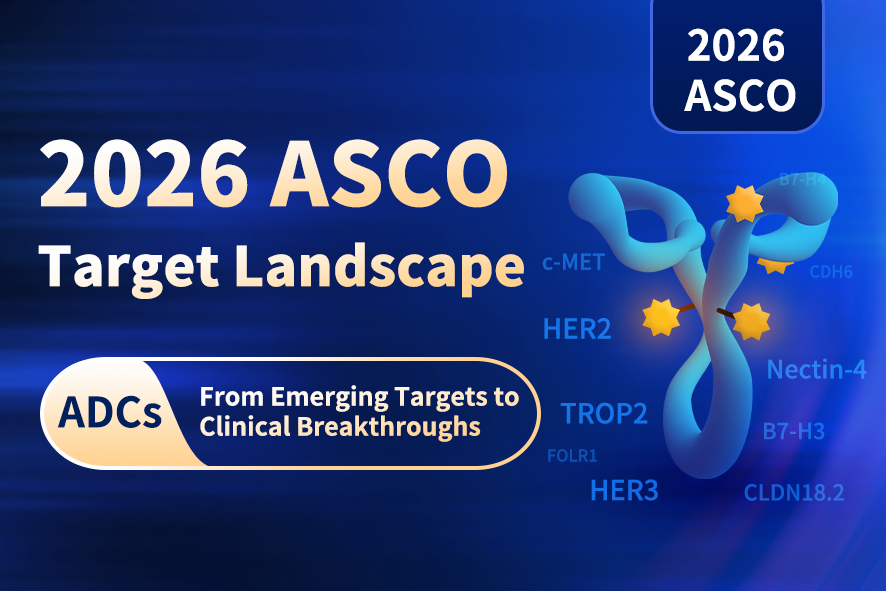
ADCs remain one of the most closely watched therapeutic modalities at ASCO 2026. Compared with conventional monoclonal antibodies, the core advantage of an ADC lies in the combination of antibody-mediated target recognition and delivery of a cytotoxic payload. Target selection therefore directly determines the scope of potential indications, the upper limit of efficacy, and the boundaries of safety.
Based on the abstracts presented at this year’s ASCO meeting, ADC development has expanded beyond established targets such as HER2 and TROP2 to a broader range of solid-tumor targets, including HER3, Nectin-4, c-MET, CLDN18.2, B7-H3, FOLR1, CDH6, and B7-H4. More importantly, many ADC studies are no longer limited to later-line monotherapy; they are moving into neoadjuvant treatment, first-line combination regimens, perioperative settings, immunotherapy combinations, and biomarker-guided patient selection.
1、HER2/ERBB2
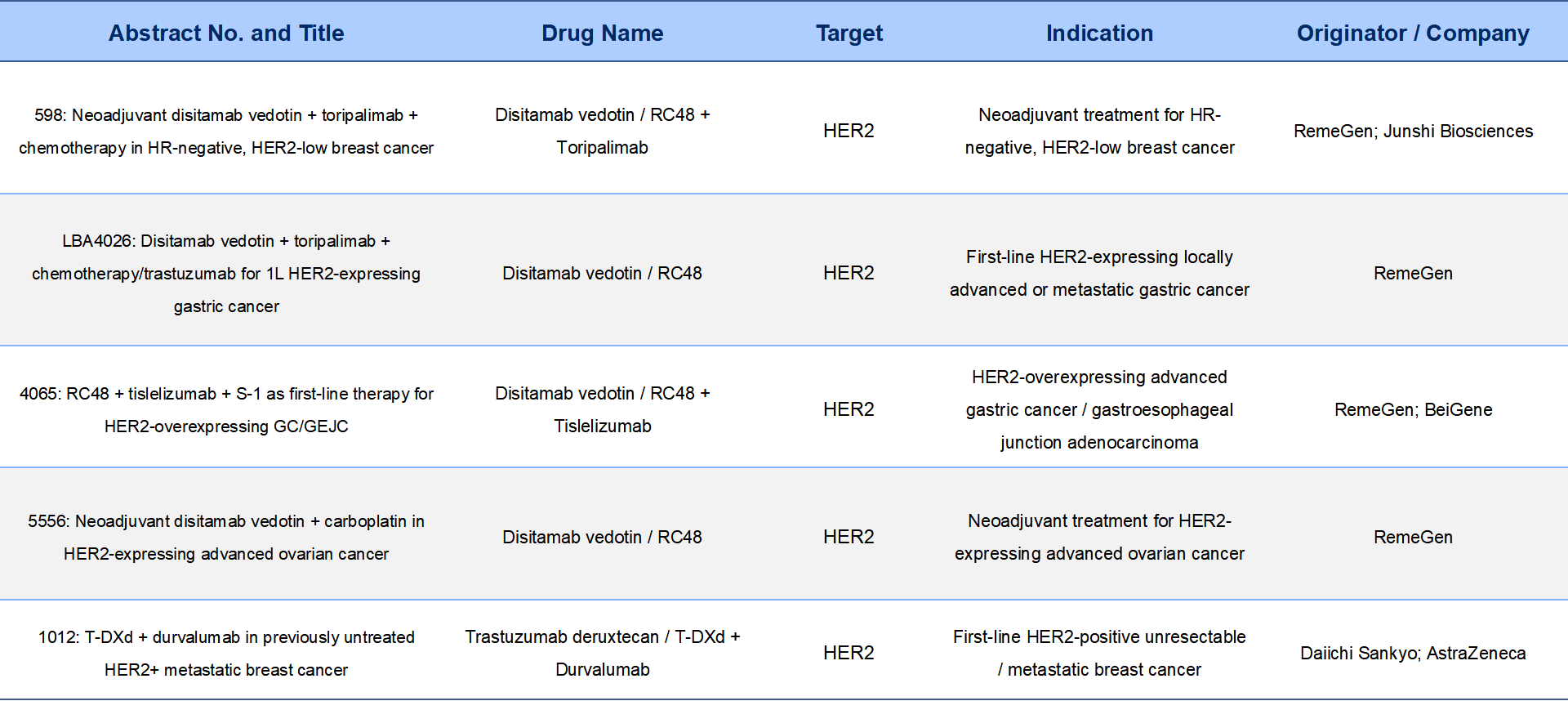
HER2 remains one of the most active ADC targets at ASCO 2026. Whereas previous development focused primarily on HER2-positive breast cancer, the indication landscape for HER2-directed ADCs has broadened further this year to include HER2-low breast cancer, HER2-expressing gastric cancer, gastroesophageal junction cancer, ovarian cancer, and other solid tumors.
Among the agents in this class, RemeGen’s disitamab vedotin (RC48) is particularly noteworthy. In neoadjuvant treatment for advanced HER2-expressing ovarian cancer, RC48 combined with carboplatin achieved a high rate of surgical conversion. The abstract reported a complete resection rate of 91.6% and an objective response rate (ORR) of 87.5%, with no peripheral neurotoxicity observed. These findings suggest that HER2-directed ADCs may not only serve as later-line options for advanced disease but may also move into neoadjuvant and perioperative settings.
In gastric and gastroesophageal junction cancers, RC48 is also advancing from later-line monotherapy toward first-line combination treatment. In the relevant study design, RC48 combined with trastuzumab and a PD-1 inhibitor showed a favorable ORR signal versus the control group in a previous Phase II study. A subsequent Phase III study will further evaluate whether the combination of a HER2 ADC, an anti-HER2 monoclonal antibody, and immunotherapy can become a new first-line option for HER2-high gastric cancer.
2、TROP2/TACSTD2
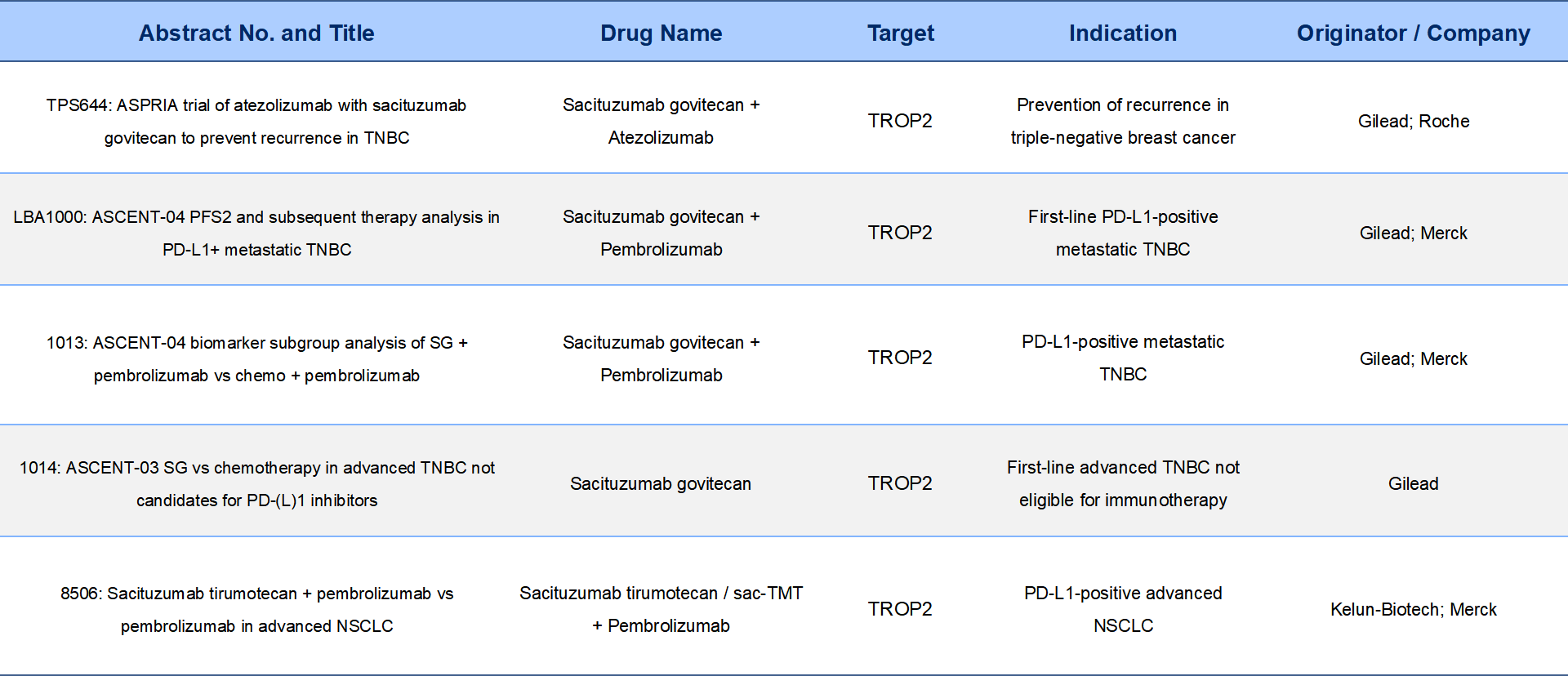
TROP2 is one of the most important pan-solid-tumor ADC targets after HER2. At ASCO 2026, breast cancer—particularly triple-negative breast cancer (TNBC)—remains the principal arena for TROP2-directed ADCs. At the same time, development continues to expand into non-small cell lung cancer (NSCLC), urothelial carcinoma, and other solid tumors.
Sacituzumab govitecan from Gilead is a representative TROP2-directed ADC. At this year’s ASCO meeting, studies such as ASCENT-04 and ASCENT-03 continued to focus on TNBC. The goal is no longer merely to demonstrate activity in later-line treatment, but to define the agent’s role in first-line therapy, immunotherapy combinations, and biomarker-selected populations. In particular, the combination of sacituzumab govitecan and pembrolizumab in PD-L1-positive metastatic TNBC highlights the growing importance of the “TROP2 ADC + PD-1” strategy in first-line breast cancer treatment.
In addition, studies of sacituzumab tirumotecan (sac-TMT) combined with pembrolizumab in NSCLC indicate that TROP2-directed ADCs are expanding from breast cancer into lung cancer.
3、HER3/ERBB3
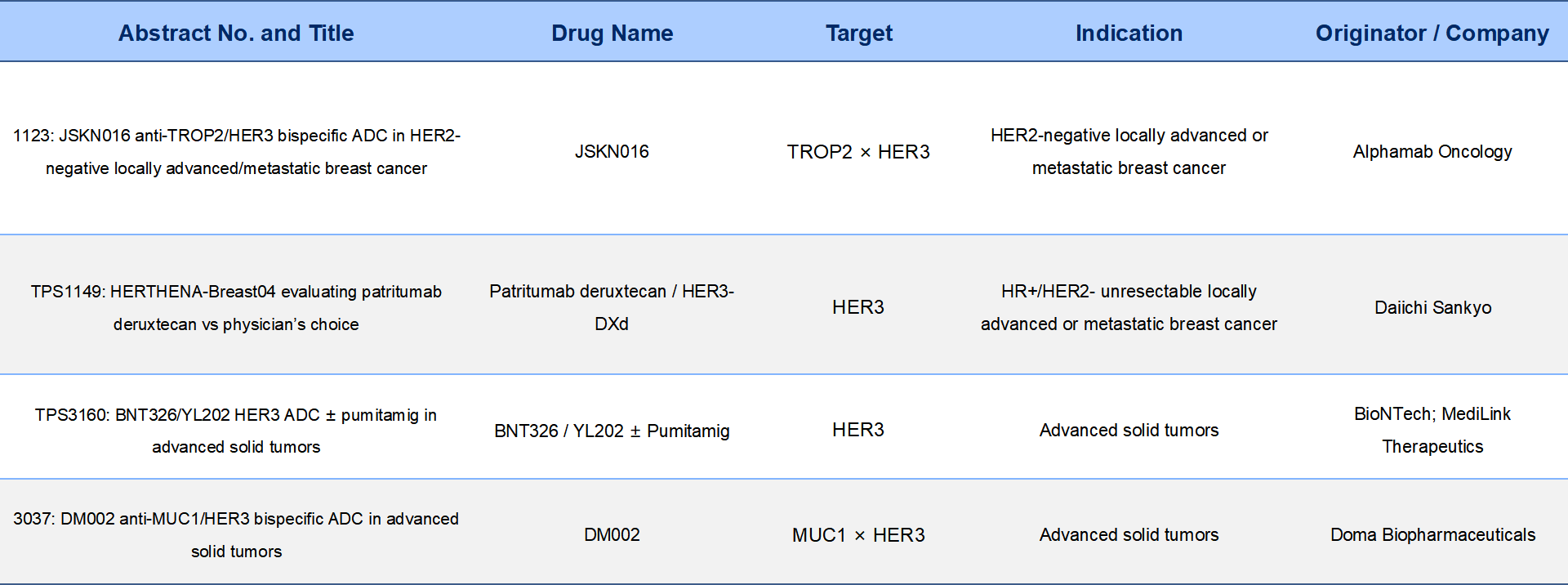
A defining feature of HER3 is that, although it may not itself be a strong oncogenic driver, it is closely associated with treatment resistance. Following therapies targeting the EGFR or HER2 pathways, HER3 frequently contributes to bypass-pathway activation and the development of resistance. HER3-directed ADCs may therefore serve as treatment options after resistance emerges and as a means of counteracting compensatory signaling.
Daiichi Sankyo’s patritumab deruxtecan (HER3-DXd) is a representative HER3-directed ADC. At ASCO 2026, HER3-DXd appeared in study designs for HR-positive/HER2-negative breast cancer, indicating that HER3-directed ADCs are expanding beyond resistance settings in lung cancer into breast cancer. Meanwhile, HER3-directed ADCs such as BNT326/YL202 are also being evaluated in combination with PD-L1 × VEGF bispecific antibodies, suggesting that future development may extend beyond later-line monotherapy to combinations with bispecific antibodies, immunotherapy, and antiangiogenic therapy.
Notably, dual-target ADCs such as the TROP2/HER3-directed JSKN016 have also entered studies in HER2-negative breast cancer. By targeting two tumor-associated antigens with a single ADC molecule, this design may theoretically improve tumor coverage and reduce the variability in efficacy caused by heterogeneous expression of a single target.
4、Nectin-4
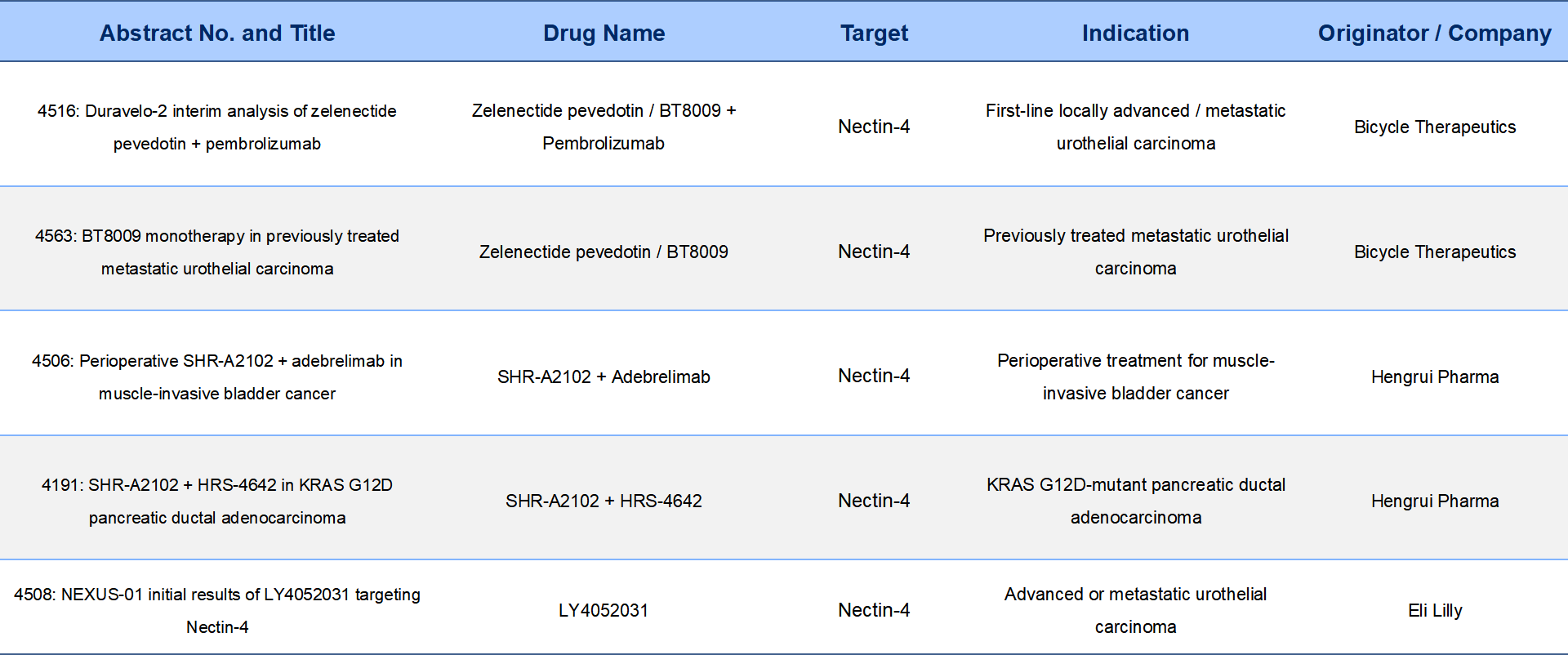
Nectin-4 is a central ADC target in urothelial carcinoma. With the clinical adoption of enfortumab vedotin, Nectin-4 has evolved from a conceptual target into an established therapeutic target. At ASCO 2026, research on Nectin-4 broadened further beyond urothelial carcinoma to include muscle-invasive bladder cancer, pancreatic cancer, and other solid tumors.
Bicycle Therapeutics’ zelenectide pevedotin (BT8009) represents a next-generation approach to Nectin-4-targeted therapy. At this year’s ASCO meeting, BT8009 was evaluated both in combination with pembrolizumab as first-line treatment for locally advanced or metastatic urothelial carcinoma and as monotherapy in previously treated metastatic urothelial carcinoma. This indicates that the Nectin-4 field is expanding beyond conventional ADCs to additional delivery formats and immunotherapy combinations.
Hengrui Pharma’s SHR-A2102 represents the development of Nectin-4-directed ADCs by a Chinese pharmaceutical company. Its appearance in perioperative treatment for muscle-invasive bladder cancer and in combination regimens for KRAS G12D-mutant pancreatic ductal adenocarcinoma suggests that Nectin-4 is being explored beyond the traditional indication of urothelial carcinoma.
5、c-MET/MET
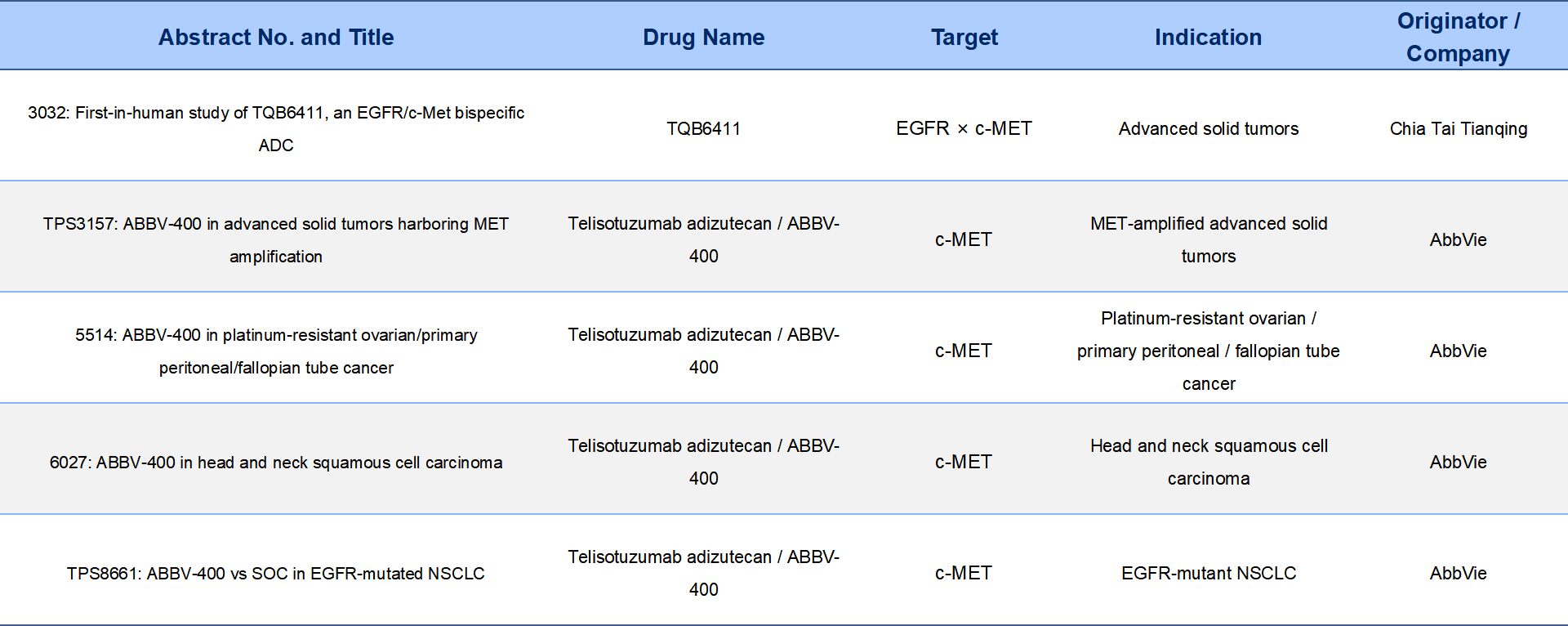
c-MET is closely associated with tumor invasion, metastasis, and resistance to EGFR tyrosine kinase inhibitors (TKIs). Compared with small-molecule MET inhibitors, c-MET-directed ADCs focus more on patients with high MET protein expression, MET amplification, or MET-associated resistance.
AbbVie’s telisotuzumab adizutecan (ABBV-400) is a representative c-MET-directed ADC at this year’s ASCO meeting. Its development program covers MET-amplified advanced solid tumors, platinum-resistant ovarian cancer, head and neck squamous cell carcinoma, EGFR-mutant NSCLC, and other settings. This breadth shows that c-MET-directed ADC development is not confined to a single tumor type, but instead follows a tumor-agnostic strategy centered on MET expression and amplification.
In addition, Chia Tai Tianqing’s TQB6411 is an EGFR/c-MET dual-target ADC, further illustrating the integration of MET targeting with mechanisms of EGFR resistance. In patients with EGFR-mutant NSCLC, MET amplification or activation of the MET pathway is a common resistance mechanism. The rationale for an EGFR × c-MET ADC is therefore to target both the original driver pathway and the resistance-associated bypass pathway.
6、CLDN18.2
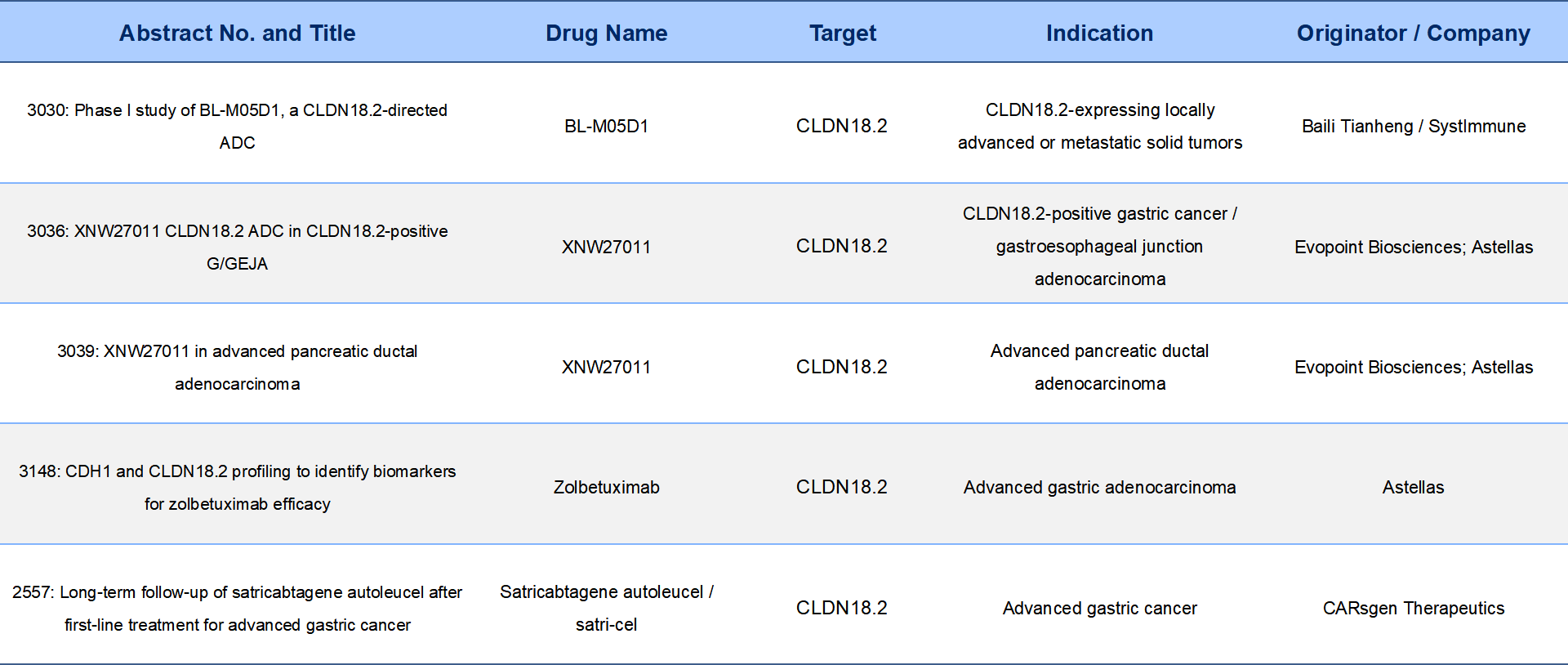
CLDN18.2 is one of the most prominent membrane-protein targets in gastrointestinal cancers, particularly gastric cancer, gastroesophageal junction cancer, and pancreatic cancer. Compared with HER2, CLDN18.2 is more closely associated with tumors of gastrointestinal origin, and it supports a wide range of therapeutic and diagnostic modalities, including monoclonal antibodies, ADCs, CAR-T cells, bispecific antibodies, and imaging agents.
At ASCO 2026, BL-M05D1 and XNW27011 were representative CLDN18.2-directed ADC programs. XNW27011 is being evaluated not only in CLDN18.2-positive gastric cancer and gastroesophageal junction adenocarcinoma, but also in advanced pancreatic ductal adenocarcinoma, indicating that CLDN18.2 development is expanding from gastric cancer into pancreatic cancer. Astellas’ zolbetuximab represents the monoclonal-antibody approach to CLDN18.2, with related abstracts focusing more on biomarker analyses and prediction of treatment response.
CARsgen Therapeutics’ satricabtagene autoleucel (satri-cel) represents the CLDN18.2-targeted cell-therapy approach. In other words, CLDN18.2 is no longer a target associated with a single drug modality; it has become a platform target supporting competition among multiple technology approaches in gastrointestinal cancers.
7、B7-H3/CD276
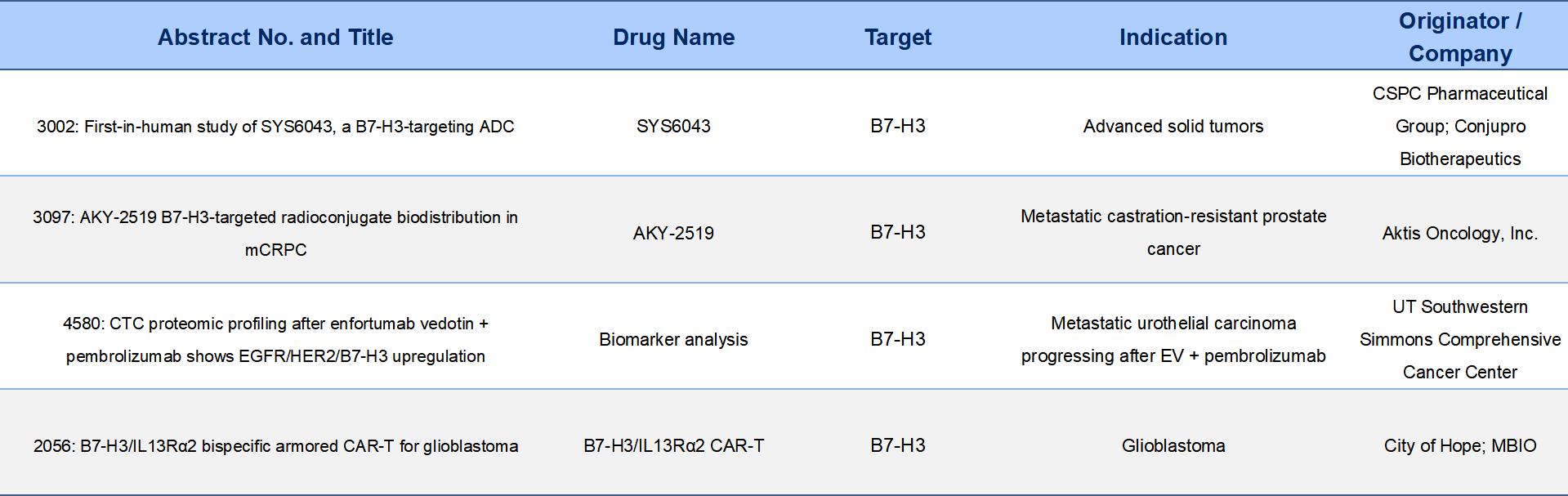
B7-H3 is an emerging oncology target that has gained rapid attention in recent years. It is being explored in lung cancer, prostate cancer, gynecologic cancers, sarcomas, gliomas, and pediatric tumors. Its broad expression profile enables development across multiple modalities, including ADCs, radiopharmaceuticals, CAR-T cells, and bispecific antibodies.
At ASCO 2026, SYS6043 was a representative B7-H3-directed ADC program for advanced solid tumors. Compared with established ADC targets such as HER2 and TROP2, B7-H3 remains at an earlier stage of clinical validation. Nevertheless, its combination of broad expression across solid tumors and compatibility with multiple drug modalities gives it substantial platform value.
B7-H3 also appeared in studies of radioconjugates for prostate cancer, CAR-T therapy for glioblastoma, and protein-expression profiling after resistance in urothelial carcinoma. These findings indicate that B7-H3 is not only an ADC target, but may also serve as a new target after treatment resistance and as a target associated with the tumor microenvironment.
8、FOLR1/FRα
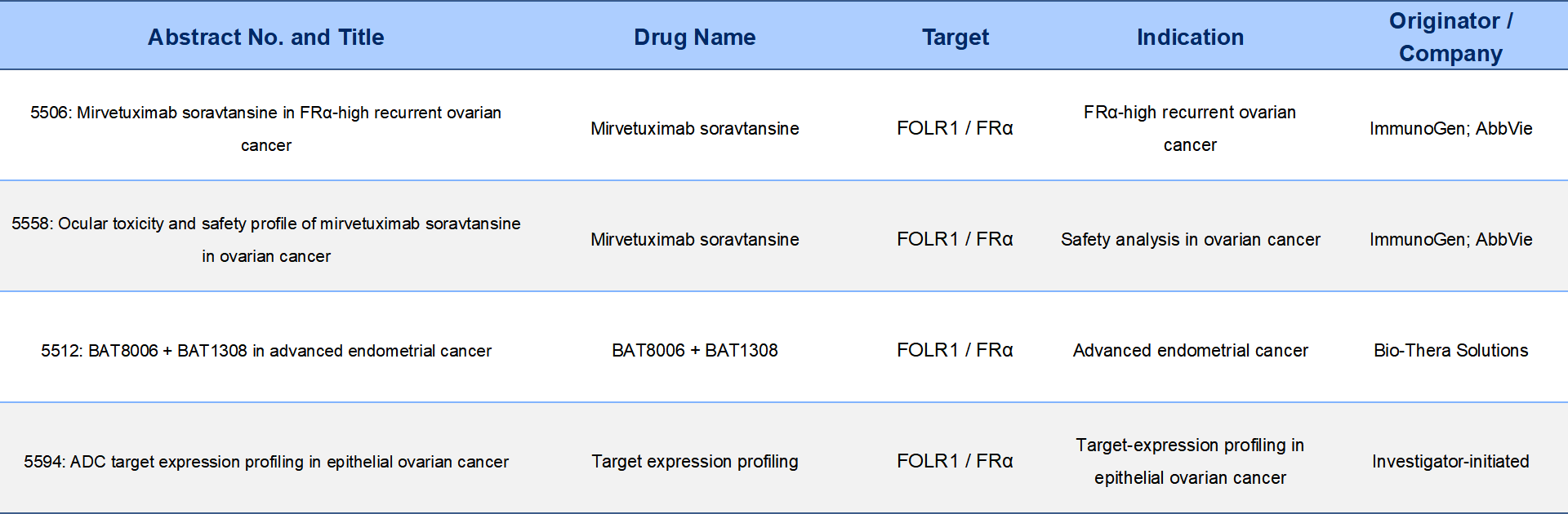
FOLR1, also known as folate receptor alpha (FRα), is an important ADC target in ovarian cancer. Unlike pan-tumor targets such as HER2 and TROP2, FOLR1 has a relatively well-defined indication profile, particularly in recurrent ovarian cancer with high FRα expression.
Mirvetuximab soravtansine, developed by ImmunoGen and now part of AbbVie, is a representative FOLR1-directed ADC. At ASCO 2026, its development continued to focus on recurrent ovarian cancer with high FRα expression, alongside analyses of ocular toxicity and overall safety. Bio-Thera Solutions’ BAT8006 combined with BAT1308 in advanced endometrial cancer suggests that FOLR1 may expand beyond ovarian cancer into other gynecologic malignancies. However, further indication expansion will depend on target-expression levels across tumor types and the therapeutic window of FOLR1-directed ADCs.
9、CDH6
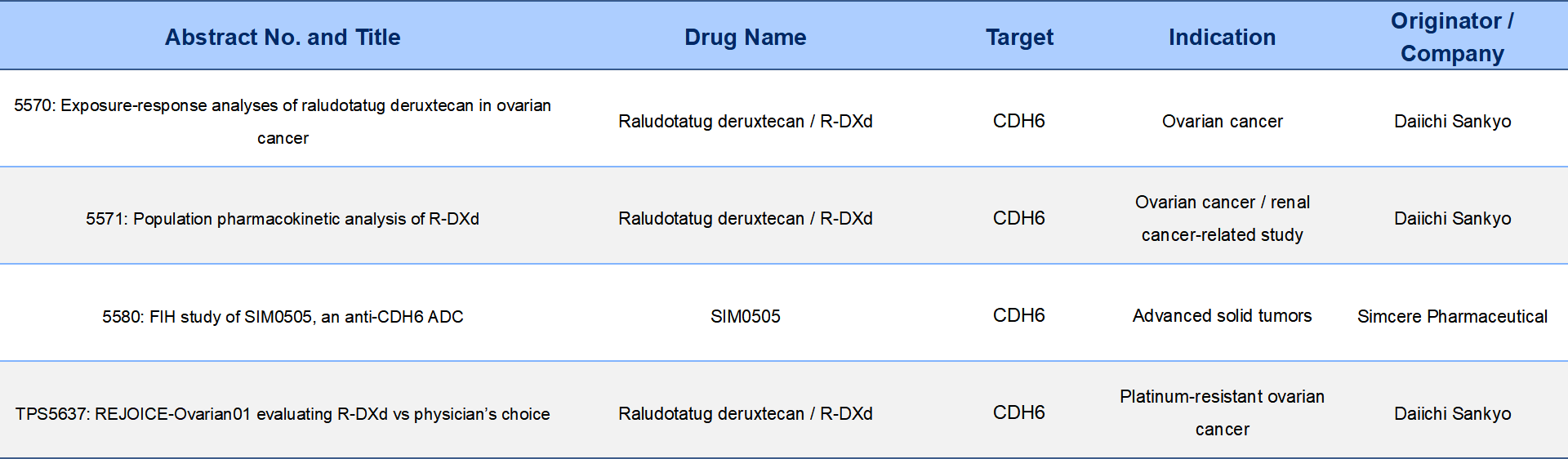
CDH6 is an emerging ADC target of interest in gynecologic cancers and renal cancer. Although its clinical development is less mature than that of FOLR1, ASCO 2026 included pharmacokinetic and exposure-response analyses of raludotatug deruxtecan (R-DXd), as well as follow-up study designs in platinum-resistant ovarian cancer. These developments indicate that CDH6 is progressing from early exploration toward more systematic clinical development.
Daiichi Sankyo’s R-DXd is a representative CDH6-directed ADC. Its development is focused on ovarian cancer, particularly platinum-resistant disease. Treatment options for this population are limited; if a CDH6-directed ADC can demonstrate advantages in both efficacy and safety, it could add an important new target option for gynecologic oncology.
The emergence of additional CDH6-directed ADCs, including SIM0505, also indicates that more companies are entering this field. CDH6 is becoming another promising ADC target in ovarian cancer after FOLR1.
10、B7-H4/VTCN1
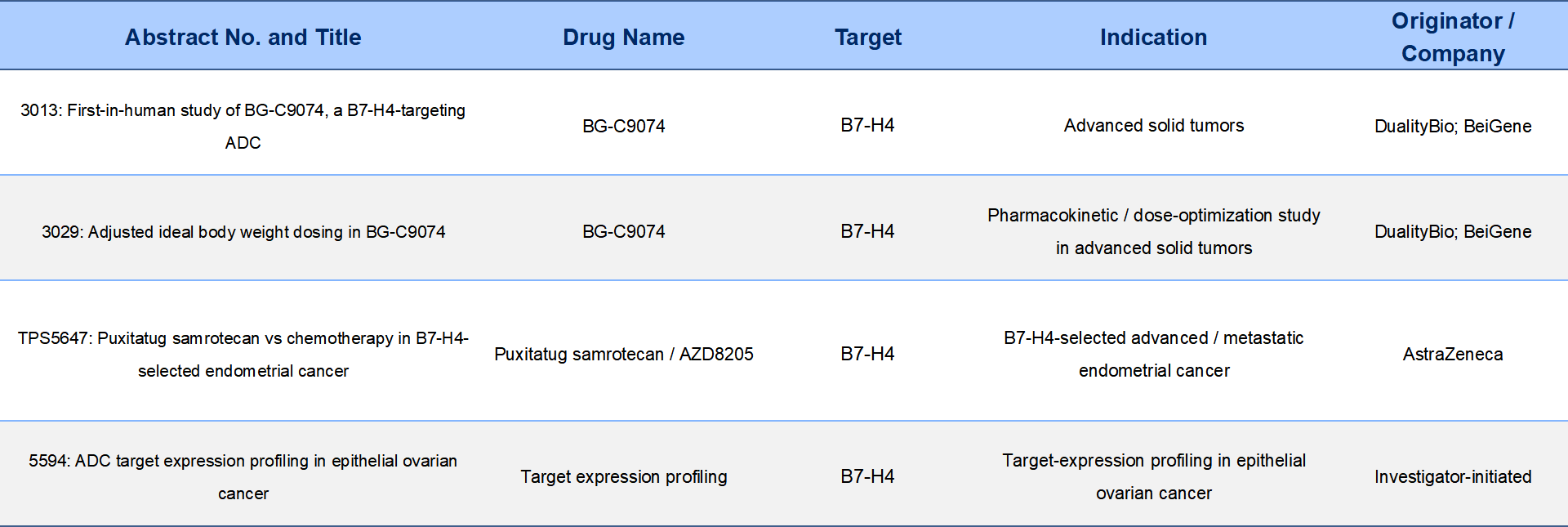
B7-H4 is an emerging immune-related ADC target in gynecologic cancers and breast cancer. At ASCO 2026, B7-H4-directed ADC programs included BG-C9074 and AstraZeneca’s puxitatug samrotecan (AZD8205), primarily targeting advanced solid tumors and biomarker-selected B7-H4-positive endometrial cancer.
The AZD8205 study design integrates B7-H4 expression screening with treatment for advanced or metastatic endometrial cancer. Its development logic is similar to that of FOLR1: first identify a clearly defined target-expressing population, and then determine whether the ADC can outperform conventional chemotherapy. Early clinical studies of BG-C9074 indicate that B7-H4 programs are still defining dose, safety, and preliminary efficacy windows.
The key potential of B7-H4 is that it may become another ADC target in gynecologic oncology after FRα, HER2, and CDH6. Because B7-H4 is also involved in immune regulation, future development will need to account for differences in its expression across distinct tumor microenvironments.
Beyond the Targets: Lead Molecule Resources to Accelerate Innovative Drug Development
From HER2 and TROP2 to CLDN18.2, B7-H3, and FOLR1, ASCO 2026 once again demonstrates that ADC development has entered an era of competition across multiple targets.
However, the success of an ADC does not depend on the target alone. A critical prerequisite for a high-quality ADC is an antibody molecule with high affinity, strong internalization activity, and favorable developability. As competition around emerging targets accelerates, the ability to obtain high-quality lead antibodies rapidly often determines the efficiency and speed of program advancement.
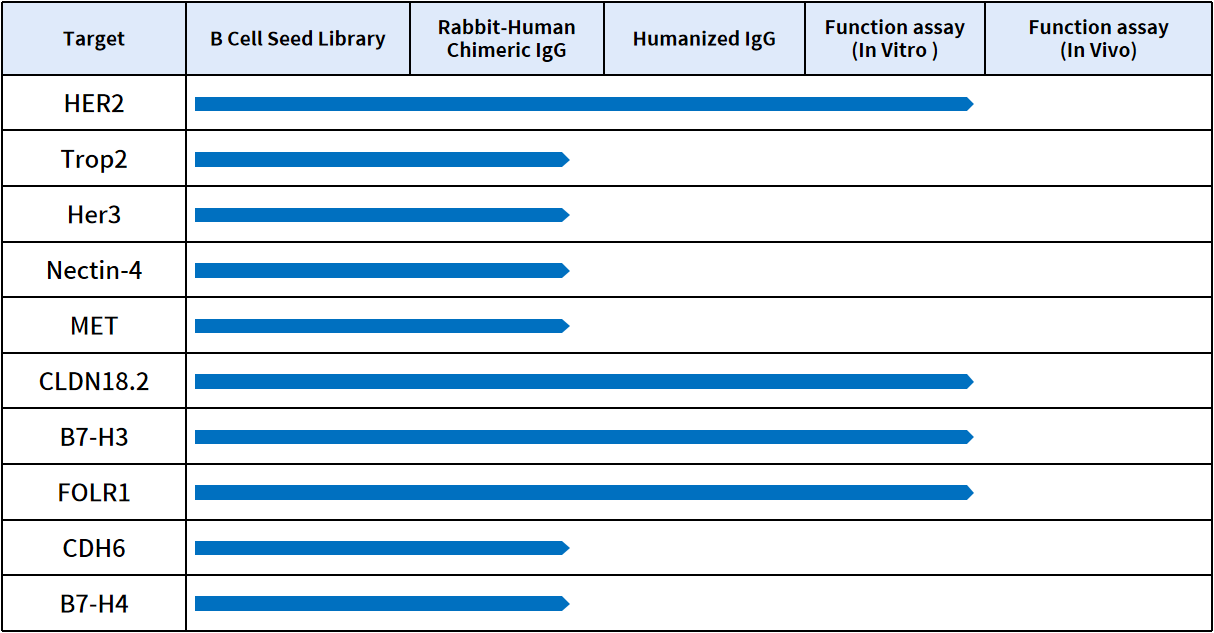
For high-priority ADC targets, DIMA Biotechnology has established a lead antibody library covering multiple solid-tumor targets, including HER2, TROP2, HER3, CLDN18.2, B7-H3, FOLR1, Nectin-4, and MET. These resources support antibody screening, ADC construction, internalization assessment, and early developability studies, helping researchers accelerate ADC development.
Selected research progress on lead antibody molecules for high-priority ADC targets is presented below: