Bispecific and multispecific antibodies are among the therapeutic modalities that most clearly demonstrate advances in drug design at ASCO 2026. Conventional monoclonal antibodies typically act on a single target, whereas bispecific antibodies can bind two targets simultaneously to enable T-cell redirection, dual-pathway blockade, modulation of the tumor immune microenvironment, or localized immune activation.
The abstracts presented at ASCO 2026 reveal two major development tracks for bispecific antibodies. The first comprises tumor antigen x CD3 constructs, including EpCAM x CD3, DLL3 x CD3, BCMA x CD3, GPRC5D x CD3, MUC16 x CD3, and CDH17 x CD3. The second focuses on dual-pathway blockade or immune costimulation, including PD-1 x VEGF, PD-L1 x VEGF-A, PD-1 x CTLA-4, PD-1 x TIGIT, PD-L1 x 4-1BB, and GPC3 x 4-1BB.
1. EpCAM×CD3
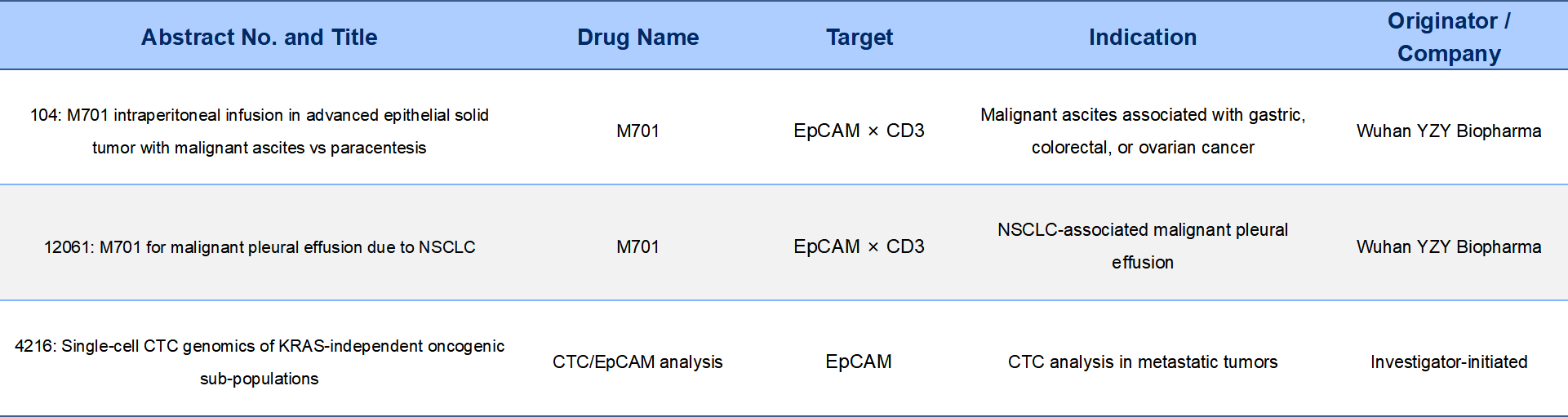
EpCAM x CD3 is a representative T-cell engager strategy for solid tumors. M701, developed by Wuhan YZY Biopharma, is one of the most noteworthy bispecific antibodies featured at ASCO 2026. It recognizes epithelial tumor cells through EpCAM while recruiting T cells through CD3, thereby redirecting local T-cell-mediated cytotoxicity. Unlike many systemically administered bispecific antibodies for solid tumors, M701 is distinguished by its localized route of administration. In malignant ascites associated with advanced epithelial solid tumors, intraperitoneal administration of M701 combined with paracentesis significantly prolonged paracentesis-free survival and time to next paracentesis compared with paracentesis alone. In other words, M701 is not merely a proof of concept for tumor cell killing; it also directly addresses recurrent ascites, repeated drainage procedures, and the resulting deterioration in quality of life.
M701 has also been evaluated in malignant pleural effusion associated with NSCLC, suggesting that EpCAM x CD3 bispecific antibodies may establish a differentiated indication in localized tumor-related complications involving malignant serosal effusions.
2. PD-1×VEGF
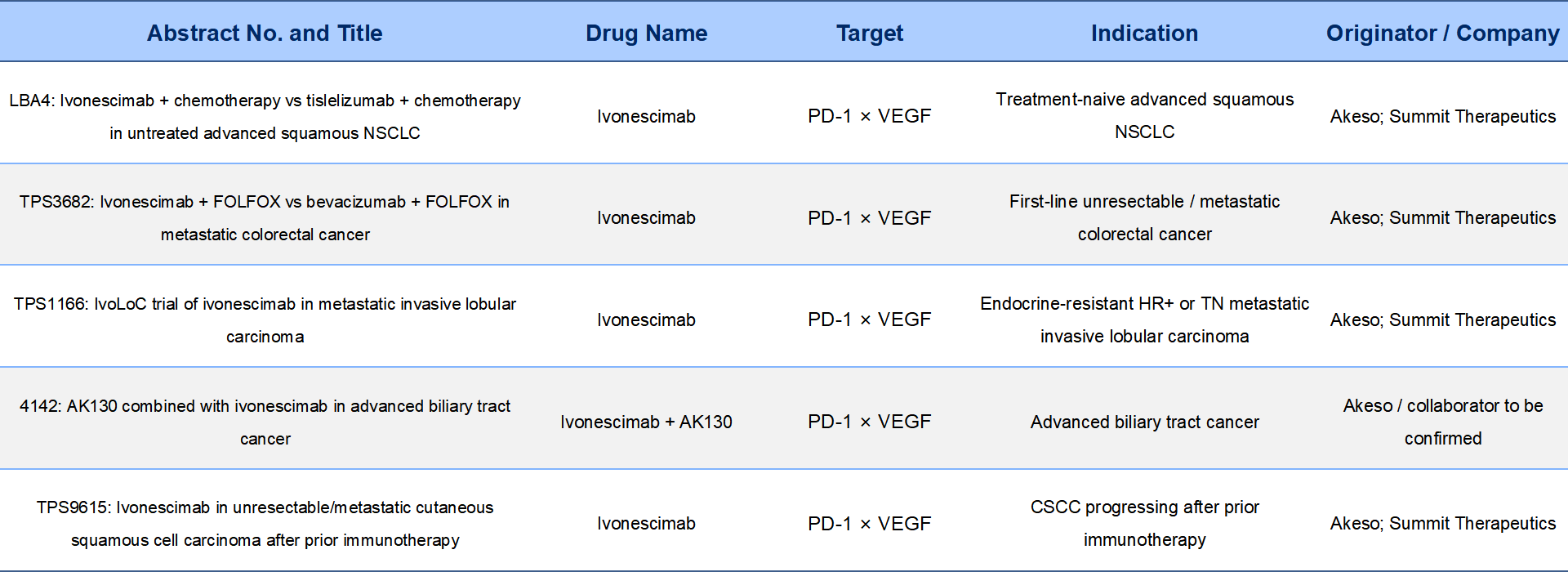
PD-1 x VEGF is one of the most prominent bispecific antibody strategies at ASCO 2026. Ivonescimab, developed by Akeso, is a representative molecule that integrates PD-1 immune checkpoint blockade and VEGF-mediated anti-angiogenic activity into a single agent, effectively converting the combination concept of immunotherapy plus anti-angiogenic therapy into one molecule.
At ASCO 2026, ivonescimab was evaluated across multiple indications. LBA4 compared ivonescimab plus chemotherapy with tislelizumab plus chemotherapy in previously untreated advanced squamous NSCLC and reported overall survival results, making it one of the most closely watched abstracts in the PD-1 x VEGF field. Ivonescimab is also being developed for metastatic colorectal cancer, invasive lobular breast cancer, biliary tract cancer, and cutaneous squamous cell carcinoma that has progressed after prior immunotherapy.
The rationale for this target combination is not simply to add another target. Rather, VEGF inhibition is intended to improve the tumor immune microenvironment and make PD-1 blockade more effective. For tumors that derive limited benefit from conventional immunotherapy, such as colorectal and biliary tract cancers, PD-1 x VEGF bispecific antibodies have a particularly compelling mechanistic rationale.
3. PD-L1×VEGF-A
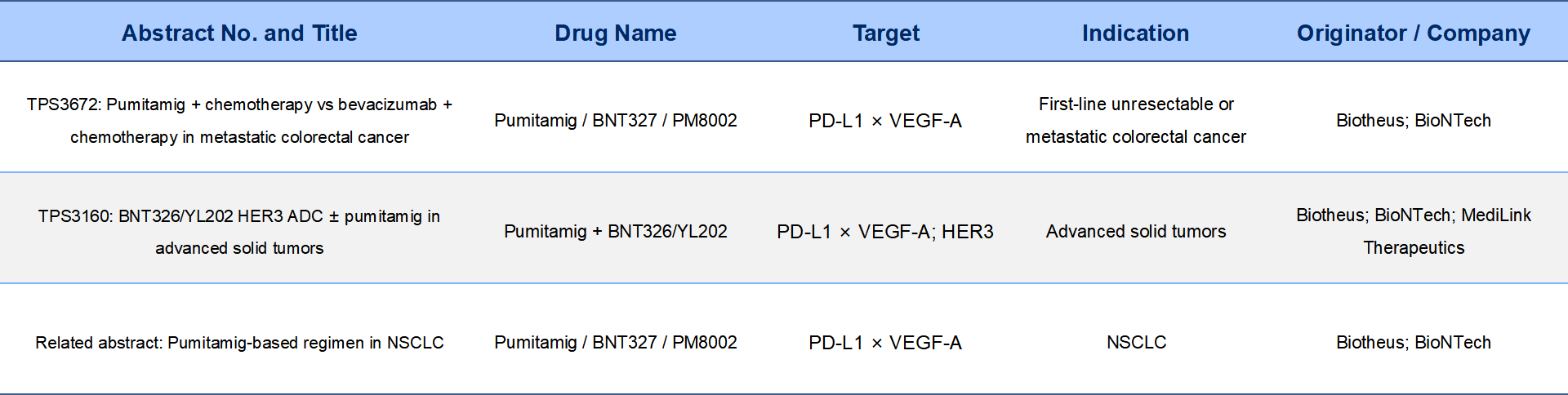
PD-L1 x VEGF-A, like PD-1 x VEGF, is a dual-pathway design combining immune checkpoint blockade with anti-angiogenic activity. Pumitamig, also known as BNT327 or PM8002, is a representative molecule in this class and is associated with development programs from Biotheus and BioNTech.
At ASCO 2026, pumitamig appeared in a first-line study for unresectable or metastatic colorectal cancer, in which pumitamig plus chemotherapy was compared with bevacizumab plus chemotherapy. This design is particularly informative because MSS/pMMR colorectal cancer is generally insensitive to PD-1 or PD-L1 inhibitor monotherapy, whereas VEGF pathway blockade may help reverse the immunosuppressive microenvironment and enhance the effects of immunotherapy.
Notably, pumitamig was also combined with the HER3 ADC BNT326/YL202 in advanced solid tumors. This suggests that future bispecific antibodies may serve not only as substitutes for combinations of monoclonal antibodies, but also as an immunotherapy backbone for ADC-based combination regimens.
4. PD-1×CTLA-4
PD-1 x CTLA-4 bispecific antibodies represent the single-molecule evolution of dual immune checkpoint blockade. In conventional treatment, PD-1 and CTLA-4 are often targeted with two separate antibodies, which may enhance efficacy but also increase toxicity. The central question for bispecific design is whether the two immune mechanisms can be retained while improving safety and convenience of administration.
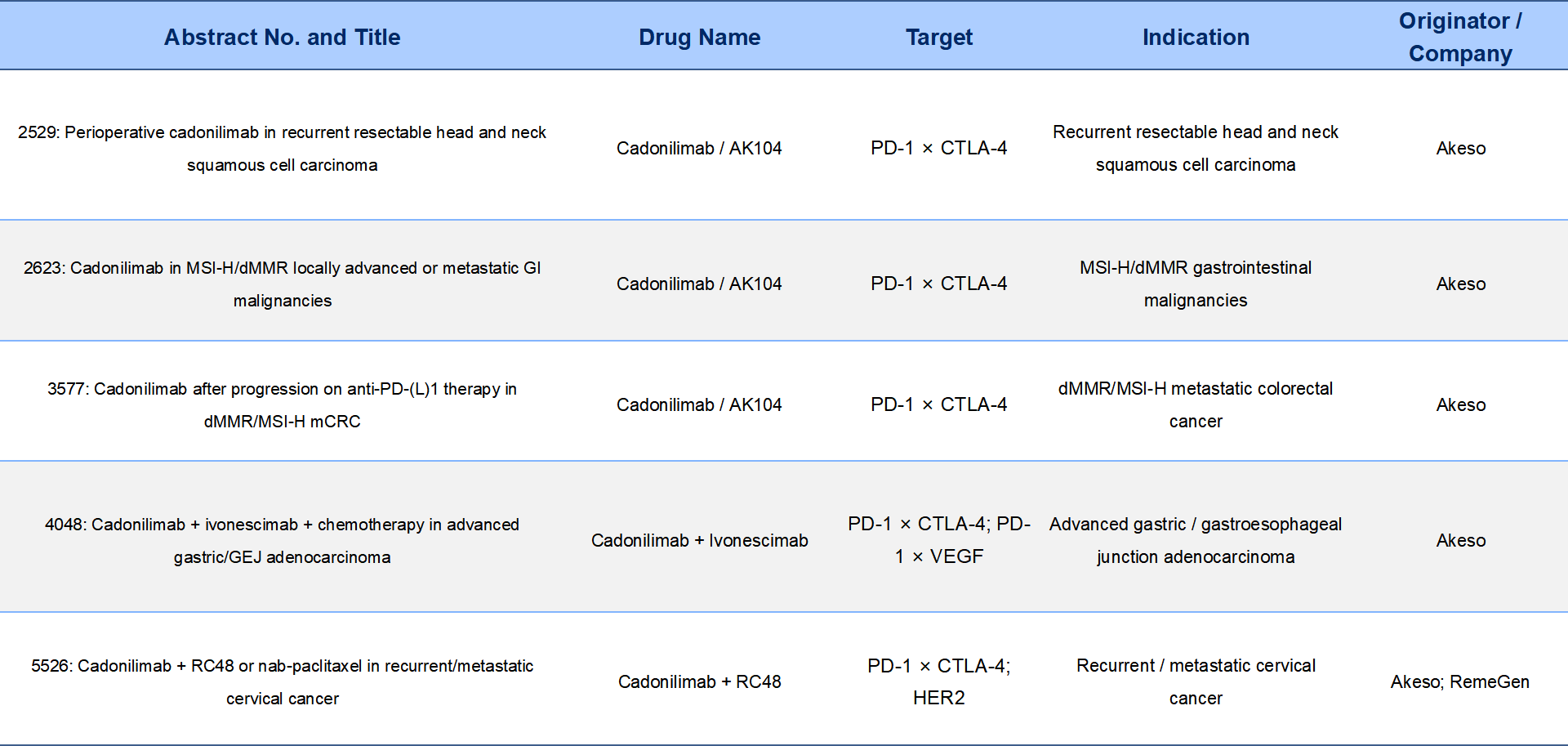
Cadonilimab, also known as AK104 and developed by Akeso, is a representative PD-1 x CTLA-4 bispecific antibody. At ASCO 2026, cadonilimab appeared in studies across multiple solid tumors, including MSI-H/dMMR gastrointestinal malignancies, dMMR/MSI-H metastatic colorectal cancer, recurrent resectable head and neck squamous cell carcinoma, advanced gastric or gastroesophageal junction adenocarcinoma, and cervical cancer combination regimens.
The combination of cadonilimab, ivonescimab, and chemotherapy in advanced gastric or gastroesophageal junction adenocarcinoma exemplifies a highly intensified strategy integrating dual immune checkpoint blockade, PD-1 x VEGF targeting, and chemotherapy. Its combination with RC48 in cervical cancer represents another approach combining a bispecific antibody with an ADC.
5. PD-1×TIGIT
PD-1 x TIGIT is a next-generation immune checkpoint bispecific strategy. TIGIT is associated with T-cell exhaustion, NK-cell function, and the immunosuppressive tumor microenvironment; therefore, simultaneous blockade of TIGIT and PD-1 may further enhance antitumor immunity.
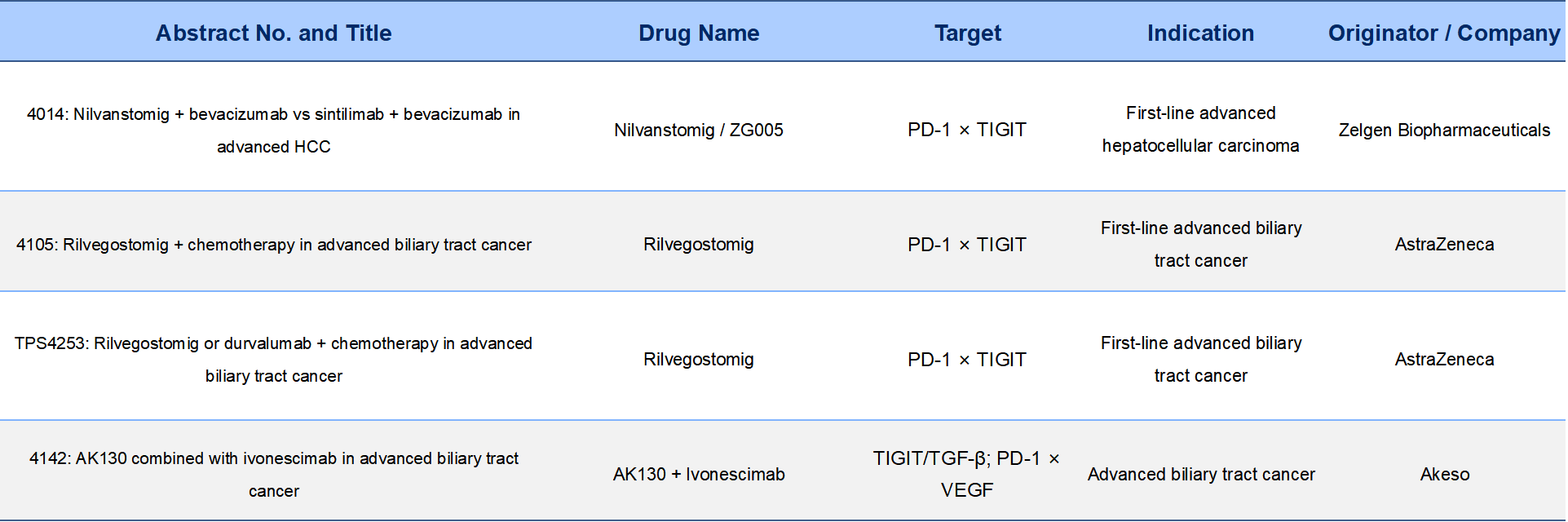
At ASCO 2026, PD-1 x TIGIT molecules such as nilvanstomig/ZG005 and rilvegostomig were primarily evaluated in hepatocellular carcinoma and biliary tract cancer. AstraZeneca’s study of rilvegostomig plus chemotherapy in advanced biliary tract cancer demonstrates continued investment in this mechanism by a major pharmaceutical company. The comparison of nilvanstomig plus bevacizumab with sintilimab plus bevacizumab in advanced HCC further reflects a development strategy combining PD-1 x TIGIT blockade with anti-angiogenic therapy.
However, compared with PD-1 x VEGF, the clinical validation of PD-1 x TIGIT remains less established and requires additional confirmatory results.
6. DLL3×CD3
DLL3 is an important target in small-cell lung cancer and neuroendocrine cancers. Because SCLC lacks sufficiently effective targeted treatment options, DLL3 x CD3 T-cell engagers have become one of the most closely watched bispecific antibody strategies for solid tumors.
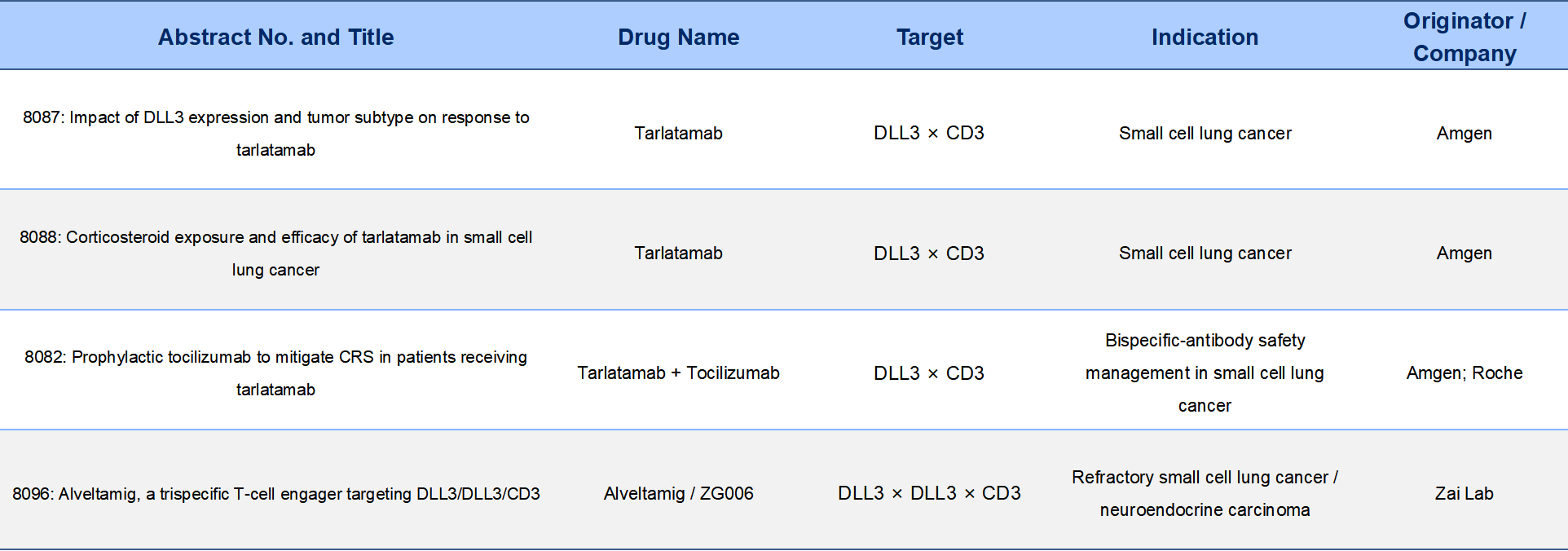
Tarlatamab, developed by Amgen, is a representative DLL3 x CD3 molecule. At ASCO 2026, tarlatamab-related abstracts addressed not only efficacy but also the effects of DLL3 expression, tumor subtype, and corticosteroid exposure on clinical outcomes, as well as the management of cytokine release syndrome. This indicates that DLL3 x CD3 development has advanced beyond the question of whether the therapy works to questions of patient selection and safer clinical use.
Alveltamig, also known as ZG006, is a DLL3/DLL3/CD3 trispecific T-cell engager that illustrates the continued evolution of DLL3-targeting designs. By incorporating two DLL3-binding arms to strengthen tumor binding, the molecule may theoretically improve both selectivity and potency.
7. CD20×CD3
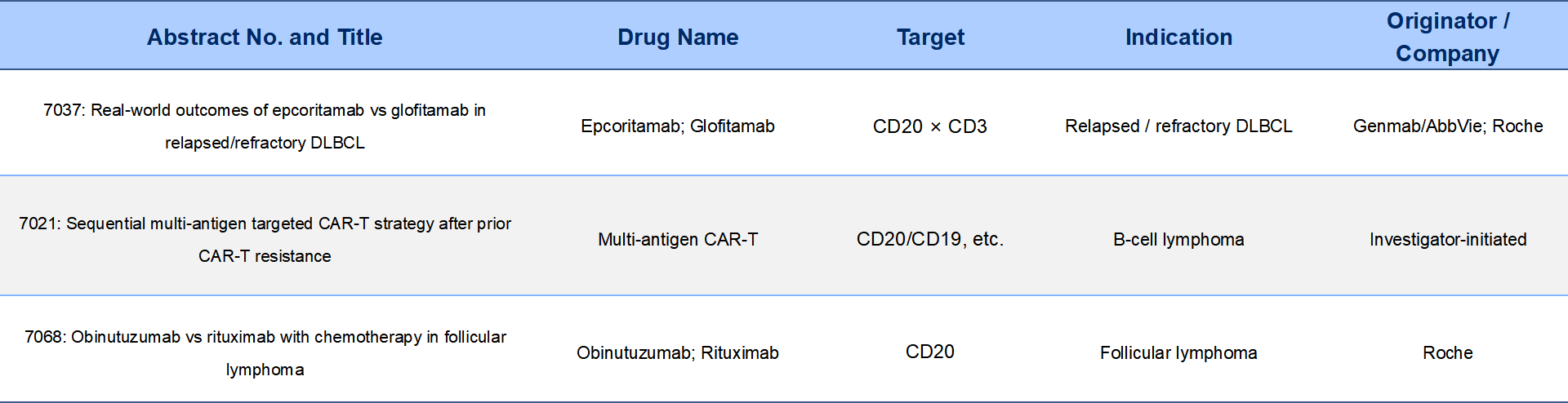
CD20 x CD3 is a relatively mature bispecific antibody strategy in hematologic malignancies and is used primarily for relapsed or refractory B-cell lymphomas. Compared with solid tumors, B-cell lymphomas offer more clearly defined target expression and better drug accessibility, allowing CD20 x CD3 bispecific antibodies to progress more rapidly in clinical development.
At ASCO 2026, epcoritamab and glofitamab were included in a real-world comparative study in relapsed or refractory diffuse large B-cell lymphoma. This shows that CD20 x CD3 bispecific antibodies are no longer confined to clinical trials as experimental agents; they have entered real-world treatment selection, comparative effectiveness assessment, and sequential treatment planning.
CD20 also continues to be targeted by conventional antibody regimens involving agents such as rituximab and obinutuzumab. As a result, CD20 has become one of the most mature models of target development in hematologic malignancies, spanning both monoclonal and bispecific antibodies.
8. BCMA×CD3
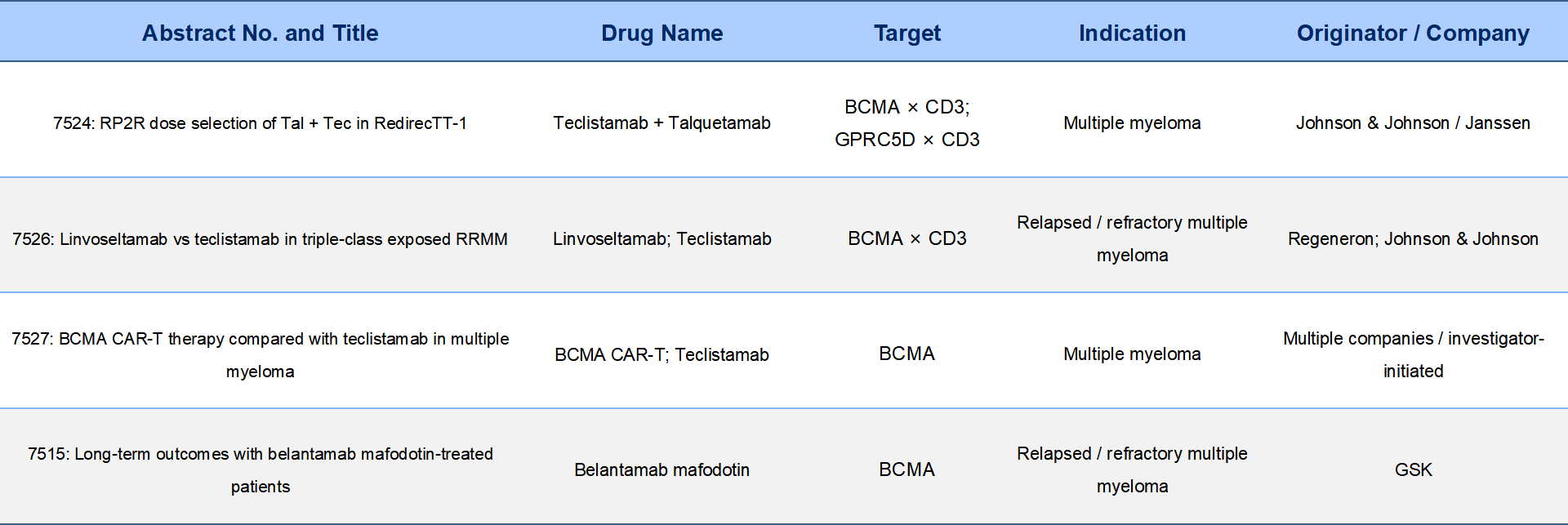
BCMA is one of the most mature targets in multiple myeloma, with therapeutic modalities that include CAR-T cells, ADCs, and bispecific antibodies. At ASCO 2026, BCMA research has entered the post-BCMA era, with emphasis on patients previously exposed to BCMA-directed therapies, comparisons among BCMA bispecific antibodies, treatment sequencing after CAR-T therapy, and combinations of BCMA- and GPRC5D-targeted agents.
Teclistamab is a representative BCMA x CD3 bispecific antibody. Its combination with the GPRC5D x CD3 bispecific antibody talquetamab demonstrates the shift in myeloma treatment from single-target therapy toward coordinated multi-target strategies. Comparisons between linvoseltamab and teclistamab also indicate that BCMA bispecific antibodies are entering differentiated competition based on efficacy, safety, and convenience of administration.
Belantamab mafodotin, a BCMA-targeted ADC, continues to provide an alternative therapeutic modality for BCMA-directed treatment.
9. GPRC5D×CD3
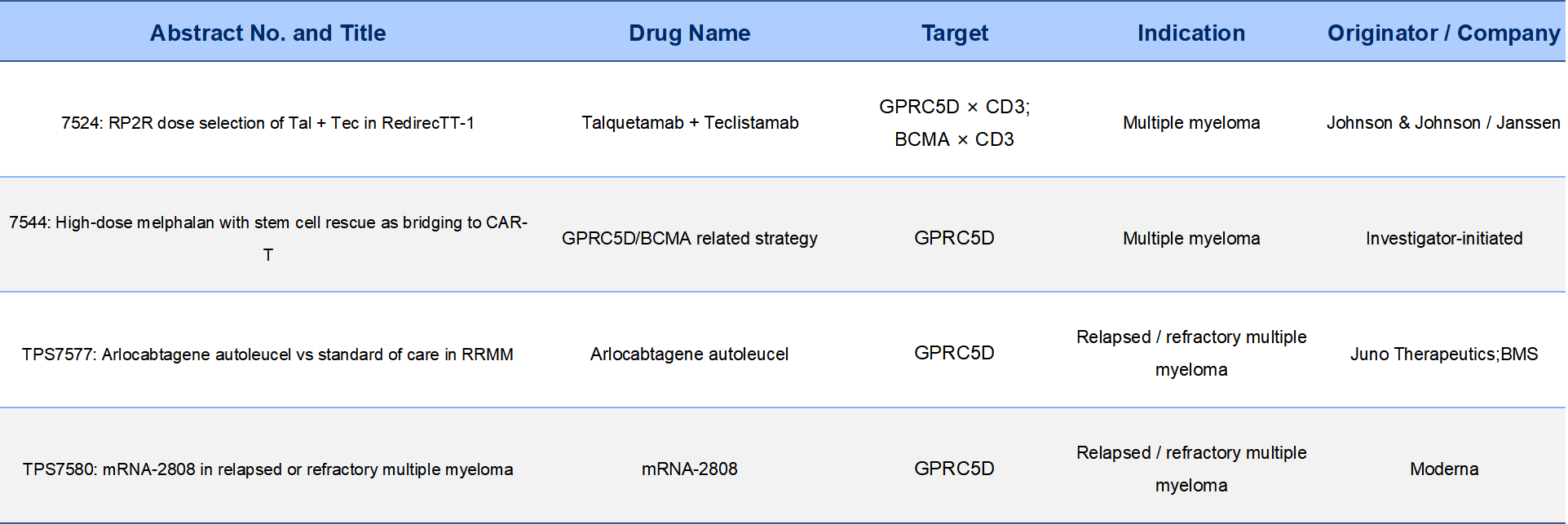
GPRC5D is one of the most important emerging targets in multiple myeloma after BCMA. Because its expression pattern differs from that of BCMA, it is particularly well suited as an additional treatment option for patients who relapse after BCMA-directed therapy.
Talquetamab, developed by Johnson & Johnson/Janssen, is a representative GPRC5D x CD3 bispecific antibody. At ASCO 2026, talquetamab was combined with teclistamab in multiple myeloma, demonstrating a dual-target BCMA plus GPRC5D strategy. GPRC5D-directed CAR-T cells and mRNA-based therapies have also begun to emerge, indicating that this target is becoming an important growth area in later-line myeloma treatment.
Compared with BCMA, GPRC5D has the advantage of remaining applicable after prior BCMA treatment or BCMA-directed treatment failure. Key challenges include target-specific toxicities, expression heterogeneity, and the optimal sequencing of GPRC5D- and BCMA-directed therapies.
10. MUC16×CD3/MUC16×CD28
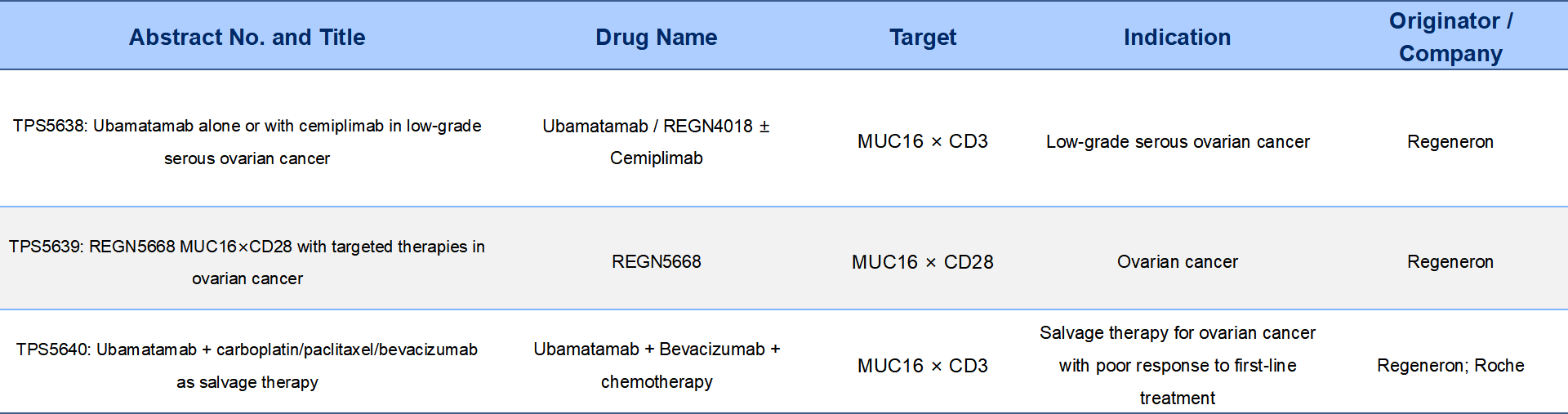
MUC16, also known as CA125, is a common tumor-associated antigen in ovarian cancer. Historically, it has been used mainly as a tumor biomarker, but bispecific antibody development is now seeking to convert MUC16 into a therapeutic target.
Ubamatamab, also known as REGN4018 and developed by Regeneron, is a representative MUC16 x CD3 bispecific antibody. At ASCO 2026, it was evaluated as monotherapy or in combination with cemiplimab in low-grade serous ovarian cancer. REGN5668 represents a MUC16 x CD28 costimulatory bispecific antibody that enhances T-cell activation through a costimulatory signal. The combined MUC16 x CD3 and MUC16 x CD28 concept is intended to establish a stronger local T-cell-mediated cytotoxic response within ovarian tumors.
The value of this strategy lies in the long-standing lack of major immunotherapy breakthroughs in ovarian cancer. As a highly relevant tumor-associated antigen, MUC16 provides T-cell engagers with a relatively well-defined entry point for tumor recognition.
11. 4-1BB/CD137 Bispecific Antibodies
4-1BB is a T-cell costimulatory receptor that can enhance T-cell activation and antitumor cytotoxicity. Conventional 4-1BB agonists, however, carry risks of systemic immune activation and hepatotoxicity. Bispecific antibody designs therefore generally seek to activate 4-1BB conditionally through a tumor antigen or PD-L1, thereby restricting costimulation to the tumor microenvironment.
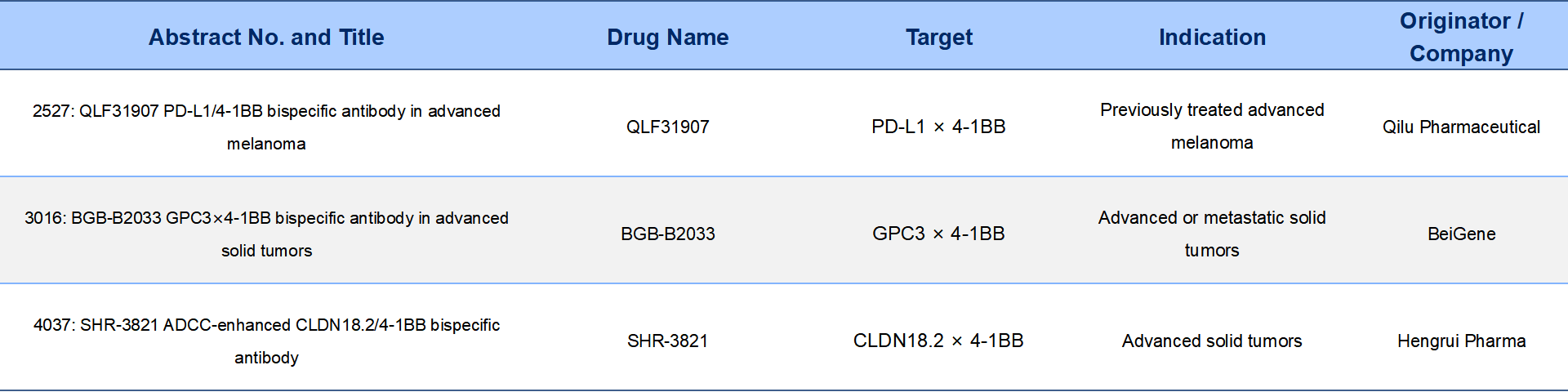
At ASCO 2026, QLF31907 represented the PD-L1 x 4-1BB strategy, BGB-B2033 represented GPC3 x 4-1BB, and SHR-3821 represented CLDN18.2 x 4-1BB. These molecules demonstrate that 4-1BB is becoming an important functional module in conditionally activated costimulatory bispecific antibodies.
12. CDH17×CD3
CDH17 is a cell-surface target of interest in gastrointestinal malignancies. Compared with hematologic targets such as CD20 and BCMA, the principal challenge for CD3 bispecific antibodies in solid tumors is identifying a surface antigen that is sufficiently tumor-specific while having limited expression in normal tissues. CDH17 is one candidate target that may meet these requirements.
Cabotamig is a CDH17 x CD3 T-cell engager developed for CDH17-expressing gastrointestinal malignancies. At ASCO 2026, CDH17 appeared not only in bispecific antibody studies but also in CAR-T research and analyses of the gastric cancer tumor microenvironment, indicating that development of this target is moving from expression profiling toward therapeutic application. Nevertheless, compared with DLL3, EpCAM, and MUC16, CDH17 remains at an earlier stage and requires additional clinical data to establish efficacy and safety.
Beyond the Targets: Lead Molecule Resources to Accelerate Innovative Drug Development
From EpCAM x CD3 and DLL3 x CD3 to PD-1 x VEGF and PD-1 x CTLA-4, ASCO 2026 shows that bispecific and multispecific antibody development is entering a new stage in which mechanistic synergy is expected to drive therapeutic efficacy.
Compared with conventional monoclonal antibodies, bispecific antibody development places greater demands on lead molecules. Whether selecting the tumor antigen for a T-cell engager or balancing two targets in an immunomodulatory bispecific antibody, development teams need early access to antibody binding arms with demonstrated functional activity and favorable developability.
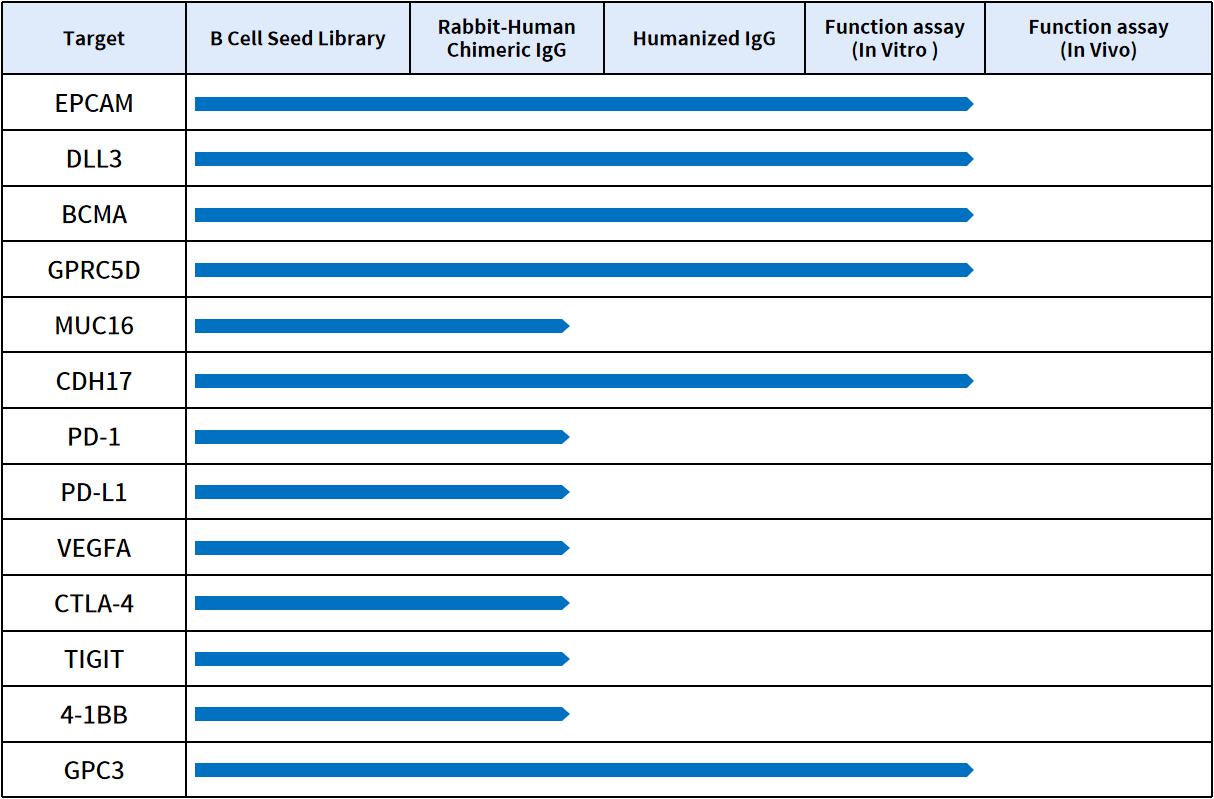
For high-priority tumor immunology and bispecific antibody targets, DIMA Biotechnology has established a lead antibody library covering PD-1, PD-L1, VEGF, CTLA-4, DLL3, EpCAM, BCMA, GPRC5D, MUC16, CLDN18.2, and other targets. These resources support bispecific antibody design, affinity optimization, functional validation, and subsequent drug development.
Selected research progress on lead molecules for high-priority bispecific antibody targets is presented below: