Small-molecule targeted therapy remains a central theme at ASCO 2026. Compared with ADCs and bispecific antibodies, small-molecule drug development places greater emphasis on oncogenic drivers, resistance mutations, earlier treatment settings, and biomarker-driven patient selection.
The ASCO 2026 abstracts highlighted a broad range of targets, including EGFR, RET, RAS/KRAS, CDK4/6, ER/ESR1, AR, PARP, BRAF/MEK, ALK, FGFR2/3, BTK, IDH1/2, PI3K/AKT/mTOR, and PSMA. Research involving RET, RAS, ER, and AR in particular clearly reflects trends toward earlier treatment and more refined patient stratification.
1、EGFR
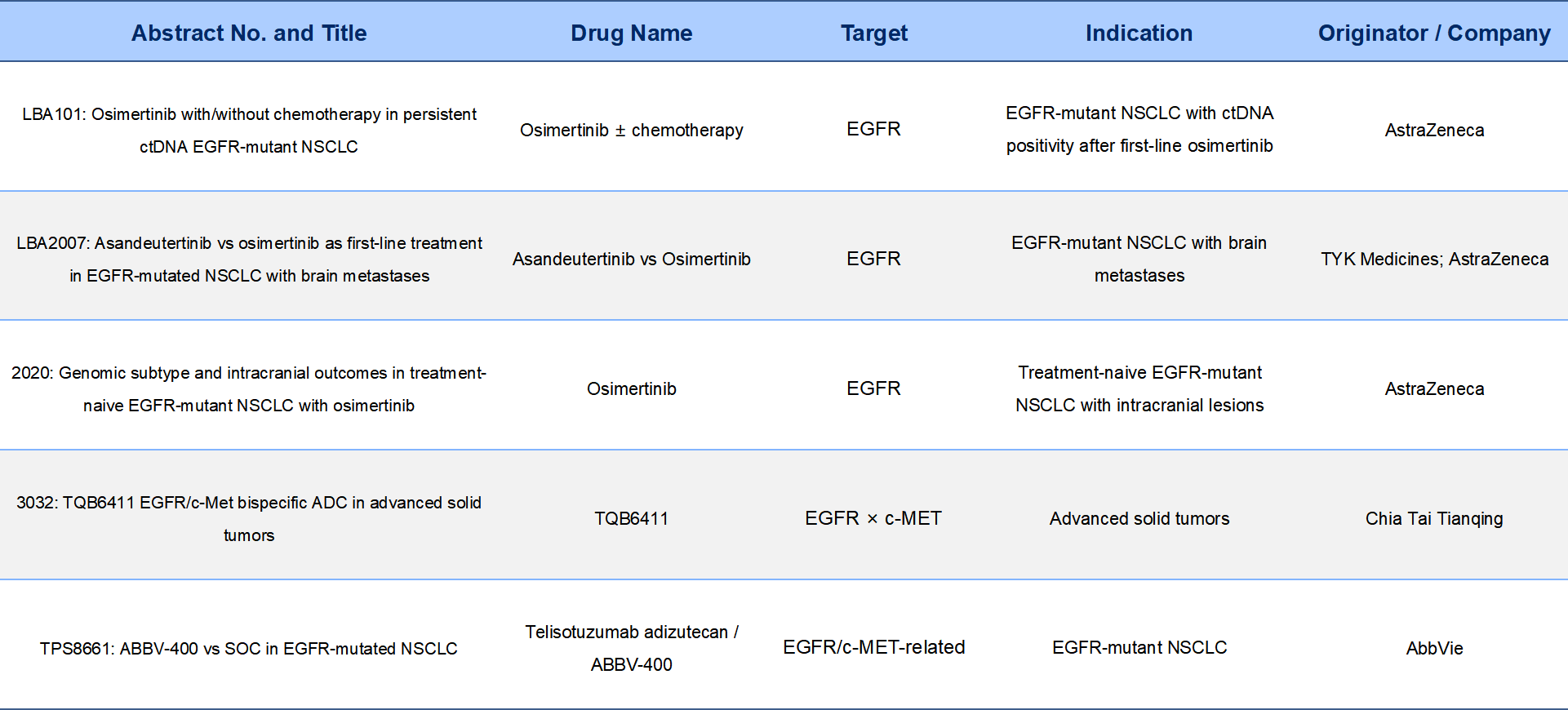
EGFR remains one of the most important targets in precision treatment for NSCLC. At ASCO 2026, EGFR-related studies covered not only established EGFR tyrosine kinase inhibitors such as osimertinib, but also dynamic ctDNA monitoring, brain metastases, EGFR/c-MET bispecific ADCs, and treatment after acquired resistance.
Abstract LBA101 evaluated whether chemotherapy intensification should be added to osimertinib in patients with NSCLC who still had detectable EGFR-mutant ctDNA after three weeks of osimertinib treatment. This represents an evolution from simply prescribing a TKI after identifying an EGFR mutation to dynamically adjusting treatment intensity according to early molecular residual disease.
Brain metastases also remain a major clinical issue in EGFR-mutant NSCLC. Abstracts comparing asandeutertinib with osimertinib and analyzing intracranial outcomes with osimertinib show that competition among EGFR TKIs has moved into the areas of central nervous system control, post-resistance strategies, and precision management of defined patient populations.
2、RET
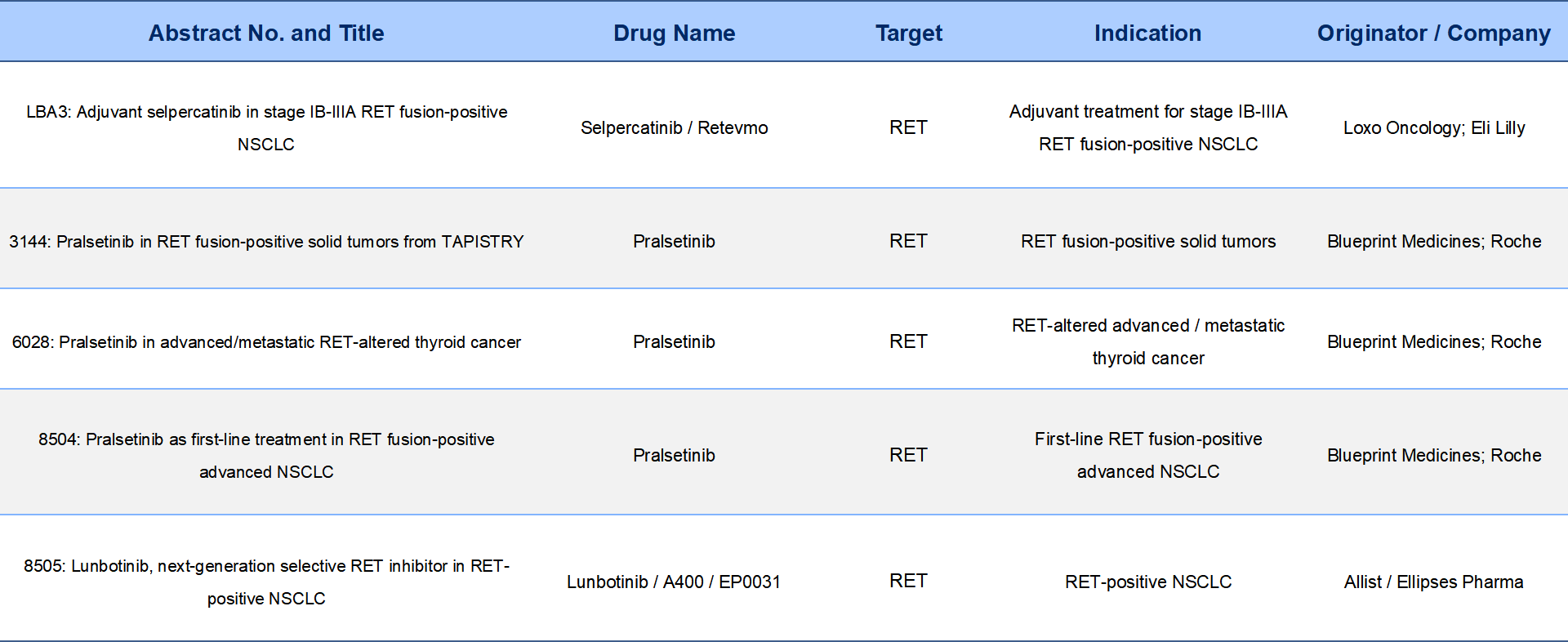
RET is an important oncogenic driver in NSCLC, thyroid cancer, and selected other solid tumors. The most notable development for RET at ASCO 2026 was the movement of treatment into earlier settings. Selpercatinib was evaluated as adjuvant therapy for stage IB-IIIA RET fusion-positive NSCLC, indicating that RET inhibitors are progressing from advanced disease into potentially curable populations.
Selpercatinib, developed by Lilly/Loxo Oncology, is a representative RET inhibitor. LBA3 was presented as a Plenary abstract and showed that the importance of RET-directed precision therapy is no longer limited to later-line advanced lung cancer, but now extends to postoperative adjuvant treatment. This is a major shift in precision oncology: targeted therapies are no longer used only to control advanced disease, but may also reduce the risk of recurrence in patients with earlier-stage cancer.
Pralsetinib continues to be evaluated in RET fusion-positive solid tumors, RET-altered thyroid cancer, and RET fusion-positive NSCLC. Next-generation RET inhibitors such as lunbotinib are also being explored in RET-positive NSCLC, showing continued development toward overcoming resistance and improving the selectivity of newer agents.
3、RAS/KRAS/RAS(ON)
RAS/KRAS is one of the most important oncogenic pathways in pancreatic cancer, colorectal cancer, and NSCLC. RAS was long considered an undruggable target, but the development of KRAS G12C, KRAS G12D, pan-RAS, and RAS(ON) inhibitors is changing this paradigm.
Daraxonrasib, also known as RMC-6236 and developed by Revolution Medicines, was one of the most noteworthy RAS-directed agents at ASCO 2026. LBA5 compared daraxonrasib with chemotherapy in previously treated metastatic pancreatic adenocarcinoma. Because pancreatic cancer has long lacked highly effective targeted therapies, a survival benefit from a RAS(ON) inhibitor in this setting would be of major clinical significance.
KRAS G12D inhibitors also emerged as a major focus. Programs including RNK08954, DN022150, and GFH375 cover NSCLC, advanced solid tumors, cholangiocarcinoma, and colorectal cancer. KRAS G12D is particularly important in pancreatic and gastrointestinal cancers and has therefore become the next major battleground in KRAS drug development.
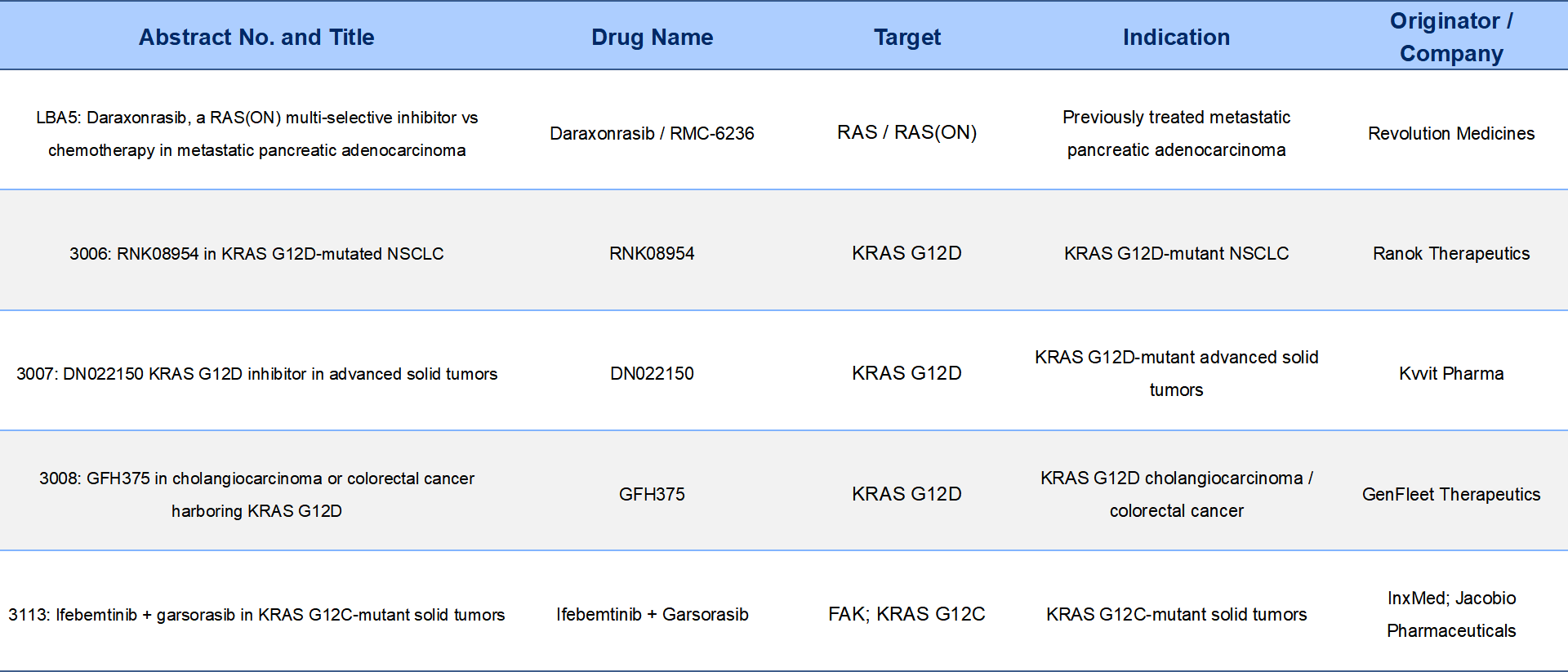
RAS/KRAS has thus become a representative example of a target moving from undruggable to precise, subtype-specific drug development.
4、CDK4/6
CDK4/6 is a central target in HR-positive, HER2-negative breast cancer. At ASCO 2026, studies of CDK4/6 inhibitors continued to reinforce their role in breast cancer while expanding into tumors driven by cell-cycle abnormalities, including sarcomas.
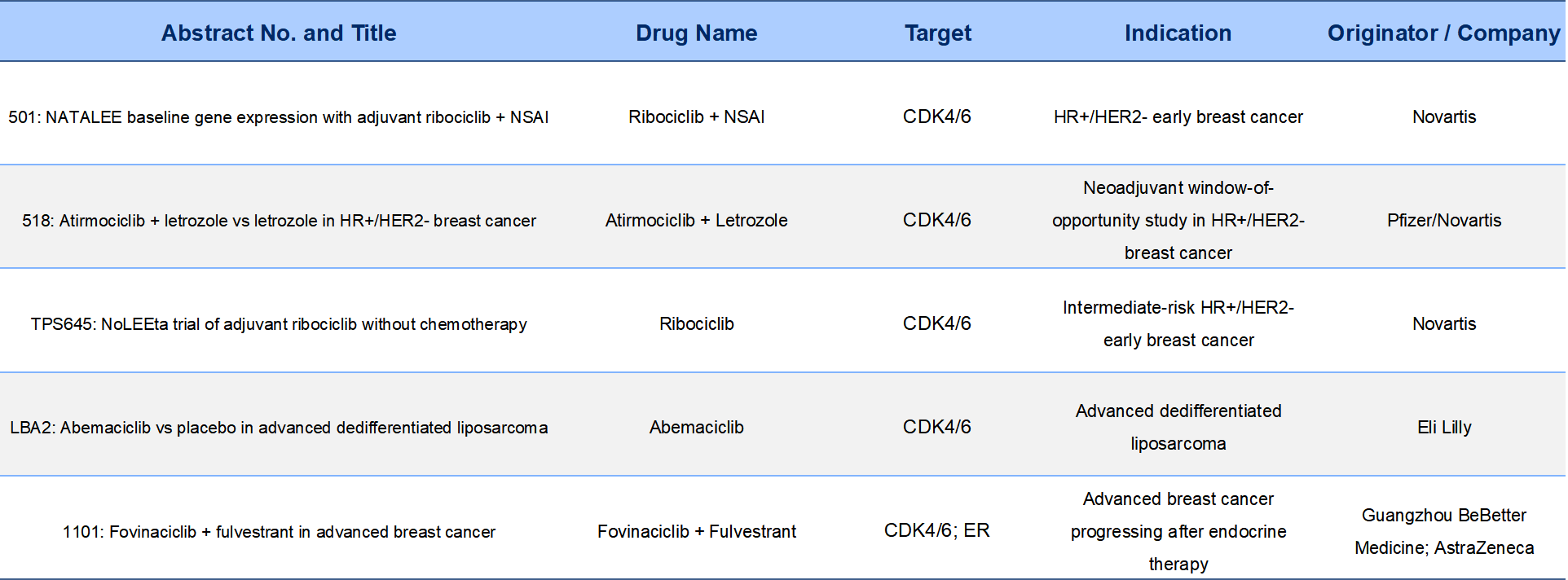
In the NATALEE study, Novartis’ ribociclib continued to be evaluated as adjuvant therapy for early HR-positive, HER2-negative breast cancer, with gene-expression data used to assess prognostic and predictive value. This shows that CDK4/6 inhibitors have moved from first-line treatment of advanced disease into early adjuvant therapy and that research is increasingly focused on identifying the patients most likely to benefit.
Eli Lilly’s abemaciclib was evaluated in a phase III study of advanced dedifferentiated liposarcoma. Because dedifferentiated liposarcoma is frequently associated with CDK4 amplification, this study illustrates the expansion of CDK4/6 inhibitors from standard breast cancer therapy into precision treatment for tumors driven by cell-cycle dysregulation.
5、ER/ESR1
ER/ESR1 is the central target of endocrine therapy for HR-positive breast cancer. At ASCO 2026, the focus shifted beyond conventional endocrine treatment toward oral selective estrogen receptor degraders and dynamic intervention for ESR1 mutations.
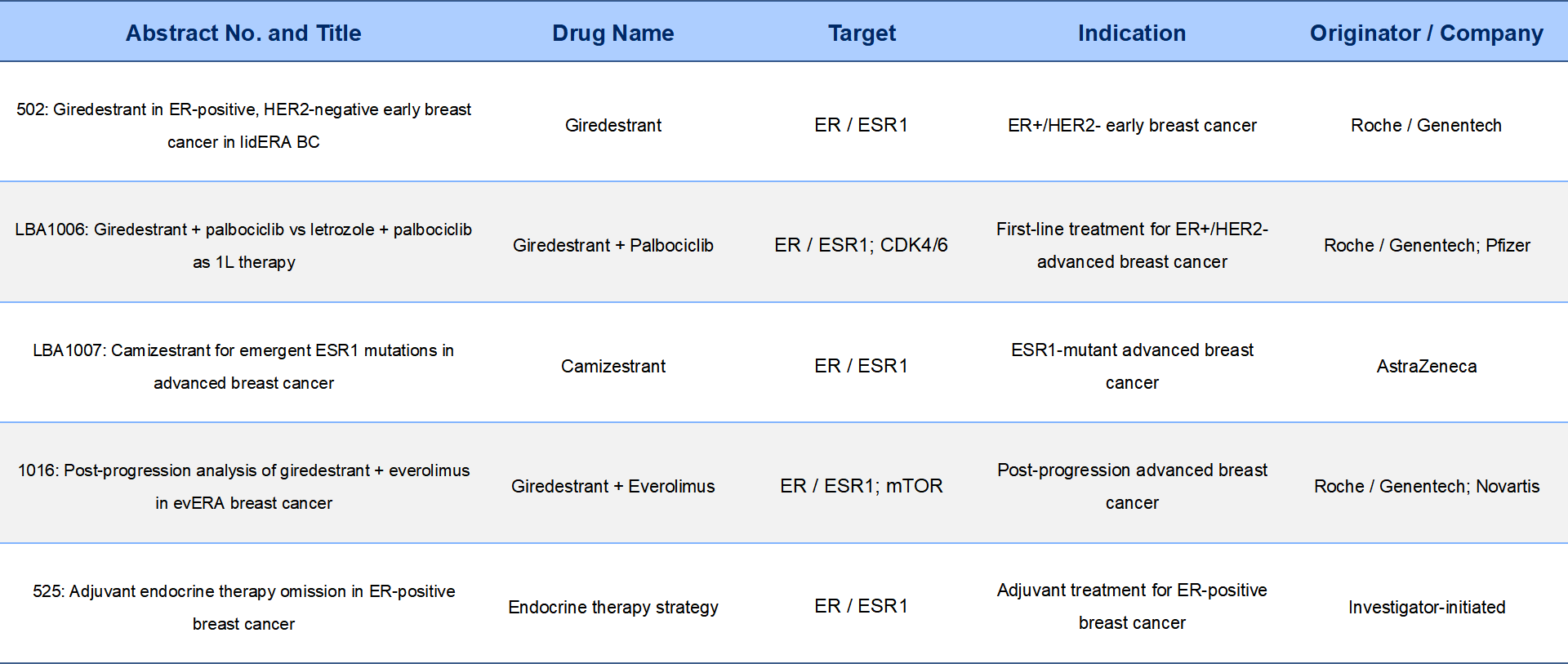
Giredestrant, developed by Roche/Genentech, is a representative oral SERD. Abstract 502 reported that in the lidERA BC study of early ER-positive, HER2-negative breast cancer, giredestrant improved invasive disease-free survival and distant recurrence-free interval compared with standard endocrine therapy, with a trend toward benefit in both premenopausal and postmenopausal populations. These results indicate that SERDs are moving from advanced breast cancer into the early adjuvant setting.
AstraZeneca’s camizestrant focuses on ESR1 mutations. LBA1007 examined intervention when emergent ESR1 mutations were detected during treatment for advanced breast cancer, reflecting a transition from changing therapy only after disease progression to intervening earlier when molecular residual disease or new resistance mutations appear.
6、AR/Androgen receptor
AR is the most important therapeutic target in prostate cancer. At ASCO 2026, AR pathway research expanded from metastatic prostate cancer into perioperative treatment for high-risk localized or locally advanced disease. Development also included AR degraders, combinations of AR- and PARP-directed therapies, and cross-indication exploration in AR-positive triple-negative breast cancer.
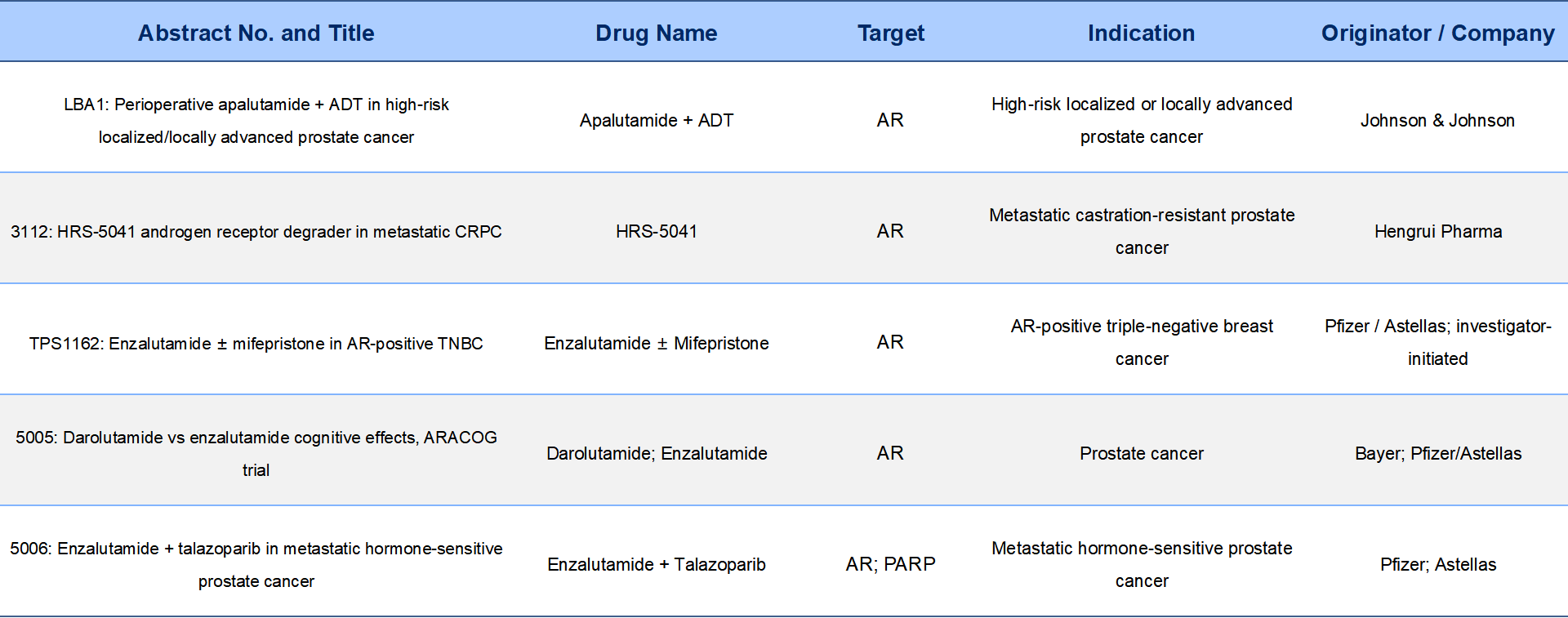
Johnson & Johnson’s apalutamide was evaluated in LBA1 as perioperative treatment for high-risk localized or locally advanced prostate cancer, demonstrating that AR pathway inhibition is moving into earlier disease settings. The objective is no longer limited to intensifying AR suppression in advanced disease, but also includes reducing the risks of recurrence and progression at an earlier stage.
HRS-5041, developed by Hengrui Pharma, represents the AR degrader strategy and is being evaluated in metastatic castration-resistant prostate cancer. Unlike conventional AR antagonists, AR degraders are designed to directly eliminate the AR protein and may provide a new option for patients whose tumors have become resistant to AR pathway inhibition.
7、PARP/BRCA-HRD
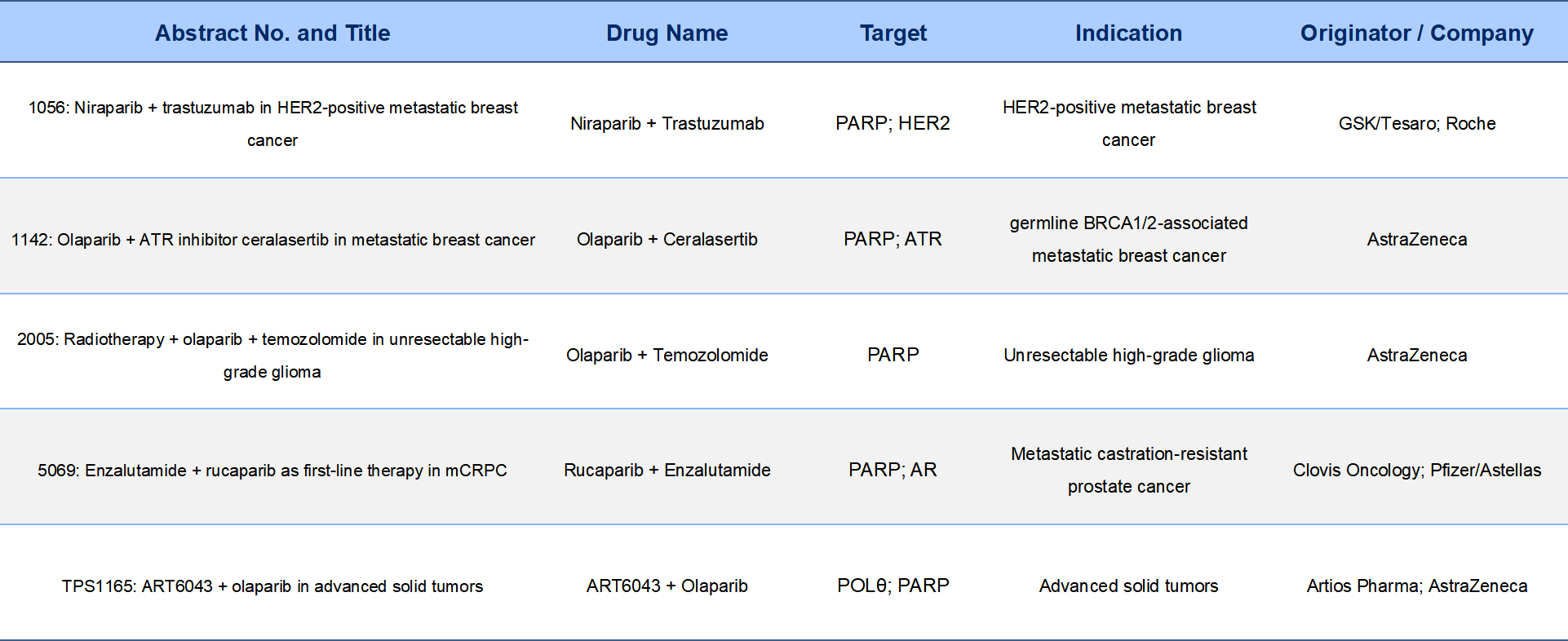
PARP inhibitors are primarily developed for tumors with BRCA mutations or homologous recombination deficiency and are used across breast, ovarian, prostate, pancreatic, brain, and biliary tract cancers. At ASCO 2026, the emphasis for PARP inhibitors shifted from monotherapy toward combination treatment.
In breast cancer, niraparib plus trastuzumab was evaluated in HER2-positive metastatic disease, illustrating a combination of DNA damage repair pathway inhibition with HER2-targeted therapy. Olaparib plus the ATR inhibitor ceralasertib in germline BRCA1/2-associated metastatic breast cancer represents a deeper dual blockade of the PARP and broader DNA damage response pathways.
In prostate cancer, combinations such as rucaparib plus enzalutamide and talazoparib plus enzalutamide reflect the development rationale for jointly targeting the PARP and AR pathways. The core hypothesis is that AR pathway inhibition and defects in DNA damage repair may act synergistically.
8、BRAF/MEK
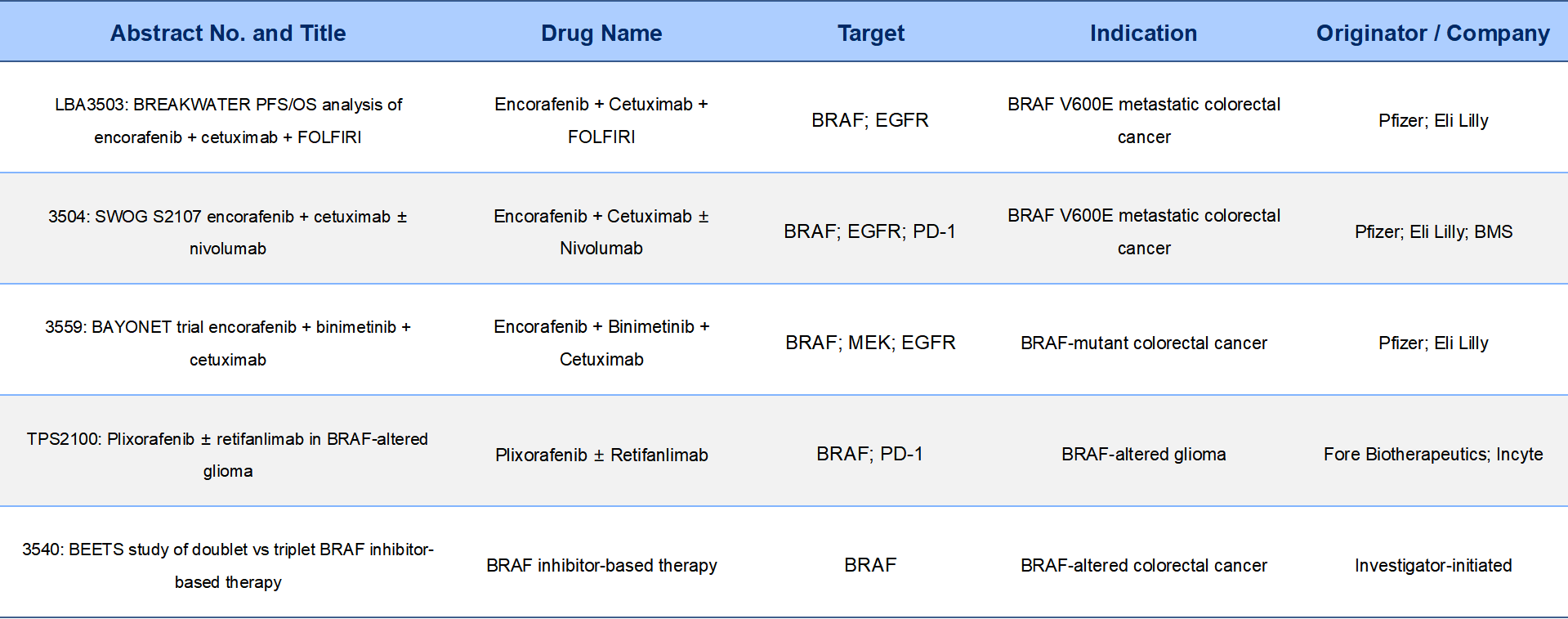
BRAF and MEK are established targets in the MAPK pathway and are relevant to melanoma, colorectal cancer, glioma, and other BRAF-altered solid tumors. At ASCO 2026, research focused on first-line treatment of BRAF V600E colorectal cancer, BRAF-altered glioma, and combination strategies after resistance.
Encorafenib plus cetuximab and FOLFIRI is an important regimen for BRAF V600E metastatic colorectal cancer. Related abstracts reported progression-free and overall survival analyses, while other studies evaluated encorafenib plus cetuximab with or without nivolumab. These programs show that BRAF inhibitors are being combined with EGFR antibodies, chemotherapy, and immunotherapy to improve efficacy in colorectal cancer.
In glioma, plixorafenib with or without retifanlimab was evaluated in BRAF-altered disease, reflecting the expansion of BRAF-targeted therapy into brain tumors.
9、ALK
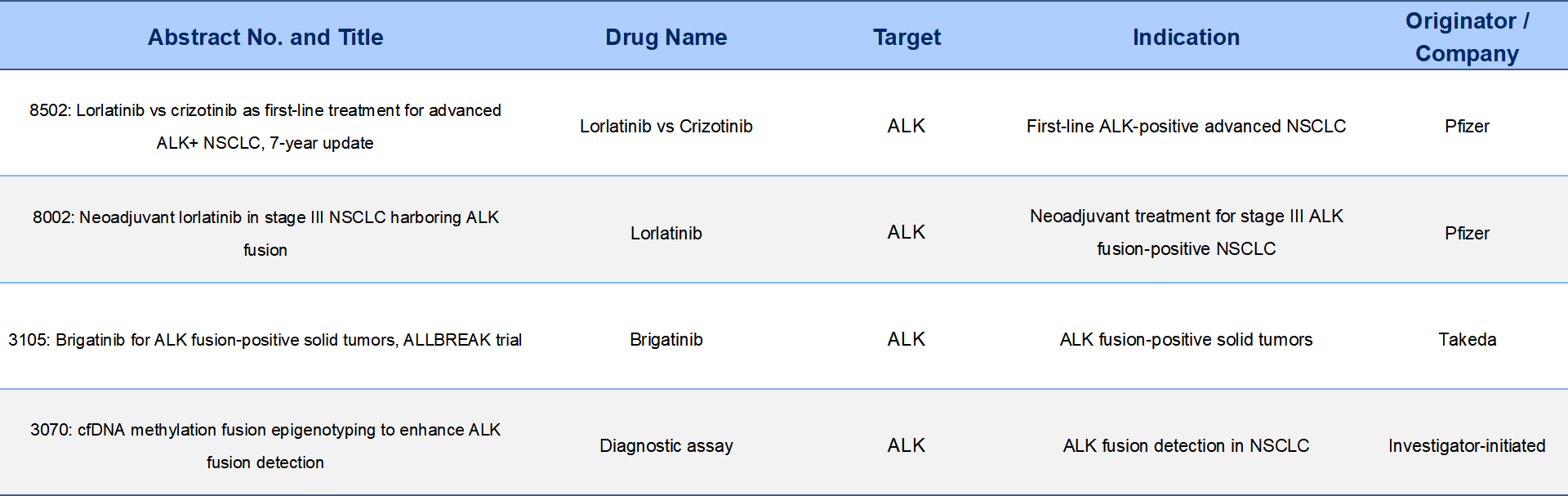
ALK is a well-established oncogenic driver in NSCLC. At ASCO 2026, the focus was no longer simply on demonstrating the efficacy of ALK inhibitors, but on comparing different generations of ALK TKIs in terms of long-term survival, central nervous system control, and neoadjuvant treatment.
Lorlatinib, developed by Pfizer, is a representative agent. Its seven-year update in first-line ALK-positive advanced NSCLC shows that ALK TKI therapy has entered an era of long-term disease control. Lorlatinib was also evaluated as neoadjuvant therapy for stage III ALK fusion-positive NSCLC, indicating that ALK-directed precision treatment is moving into earlier, potentially resectable or locally advanced disease.
Takeda’s brigatinib appeared in a basket study of ALK fusion-positive solid tumors, demonstrating the expansion of ALK-directed treatment beyond NSCLC to fusion-positive tumors across multiple histologies.
10、FGFR2/3
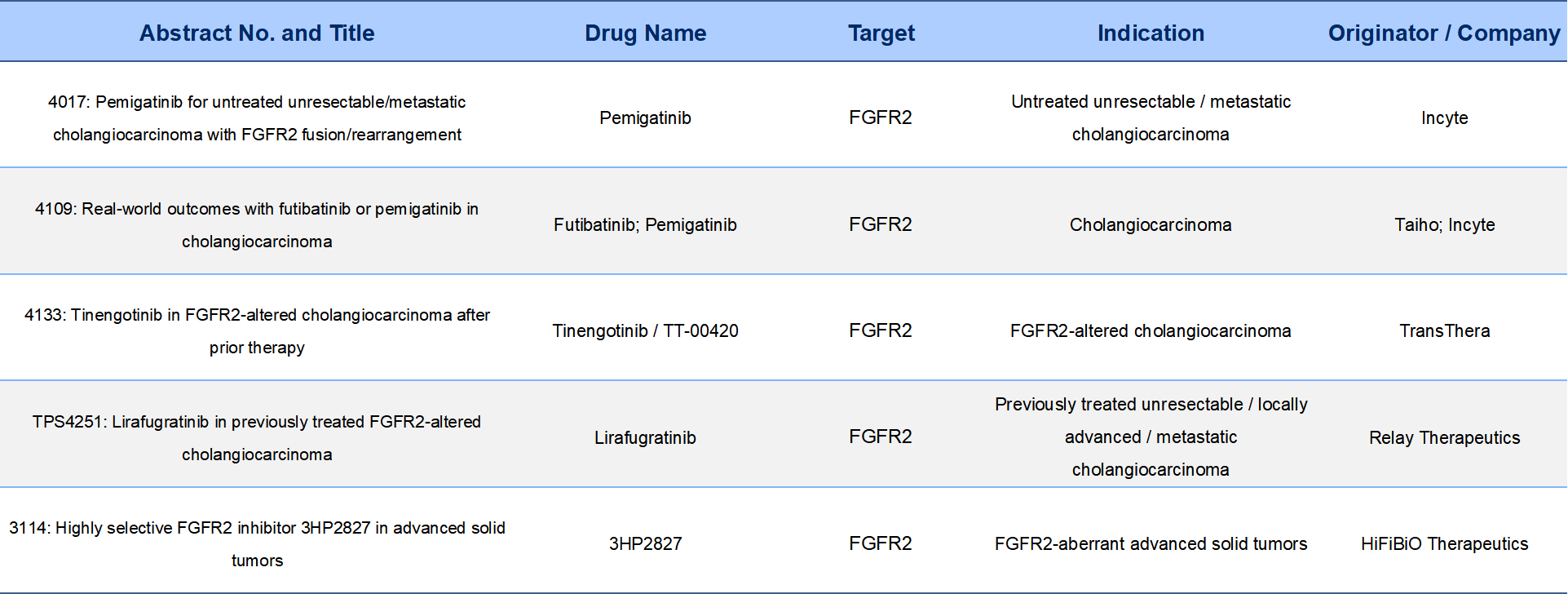
FGFR2/3 are important precision oncology targets in biliary tract, urothelial, and gastric cancers. At ASCO 2026, FGFR2 research was concentrated mainly in cholangiocarcinoma, particularly in patients with FGFR2 fusions or rearrangements.
Pemigatinib from Incyte, futibatinib from Taiho, tinengotinib from TransThera, and other next-generation selective FGFR2 inhibitors were all represented in cholangiocarcinoma studies. Compared with conventional chemotherapy, FGFR inhibitors have the advantage of a clearly defined molecularly selected population and are particularly relevant for patients with FGFR2 fusion- or rearrangement-positive cholangiocarcinoma.
FGFR inhibitors nevertheless face acquired resistance. Future development priorities include next-generation inhibitors, coverage of resistance mutations, real-world comparative effectiveness, and more precise stratification across different types of FGFR alterations.
11、BTK
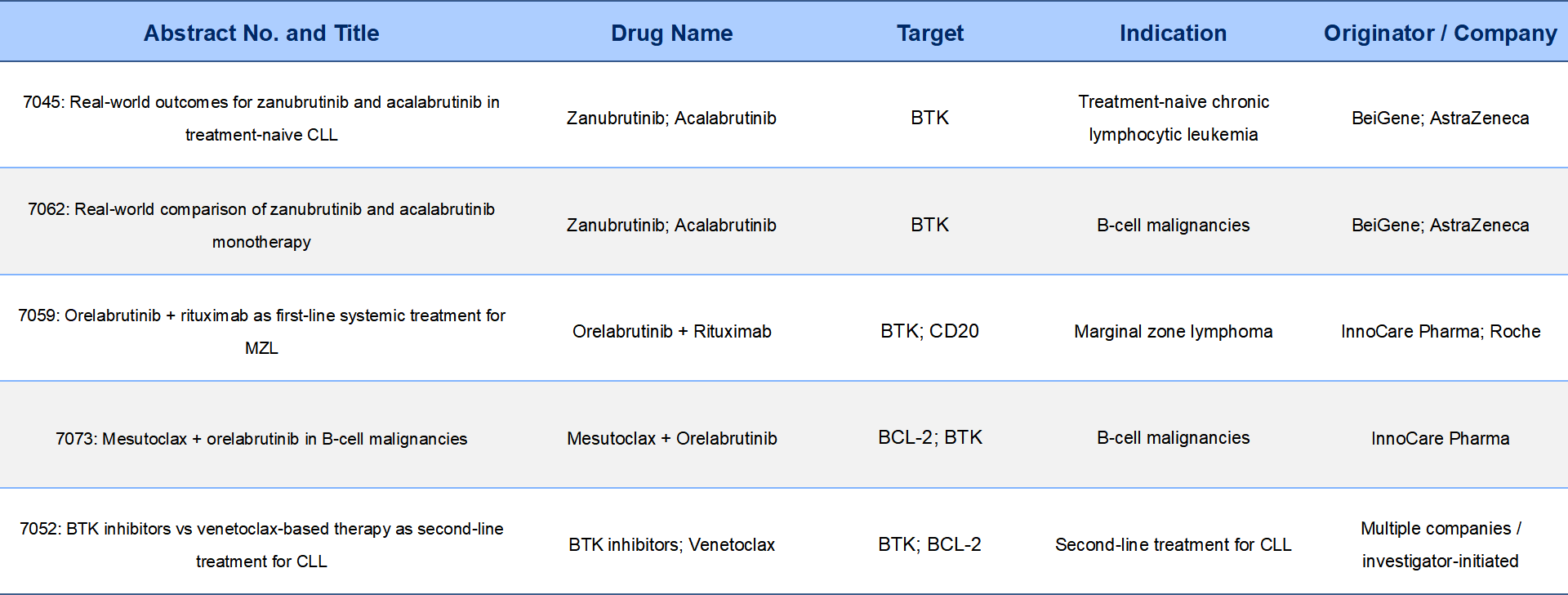
BTK is an important small-molecule target in CLL, mantle cell lymphoma, marginal zone lymphoma, and other B-cell malignancies. At ASCO 2026, research on BTK inhibitors shifted from demonstrating single-agent activity toward real-world comparisons, combinations with BCL-2 inhibitors, and selection among different BTK inhibitors.
Zanubrutinib from BeiGene and acalabrutinib from AstraZeneca were compared in real-world studies of treatment-naive CLL and B-cell malignancies, indicating that the BTK field has entered a mature competitive phase. Orelabrutinib from InnoCare was evaluated in marginal zone lymphoma and in combination with the BCL-2 inhibitor mesutoclax.
The key considerations for BTK therapy are no longer limited to objective response rate. Long-term tolerability, cardiovascular safety, discontinuation rates, real-world treatment persistence, and the potential for fixed-duration treatment in combination with BCL-2 inhibitors have become increasingly important.
12、IDH1/2
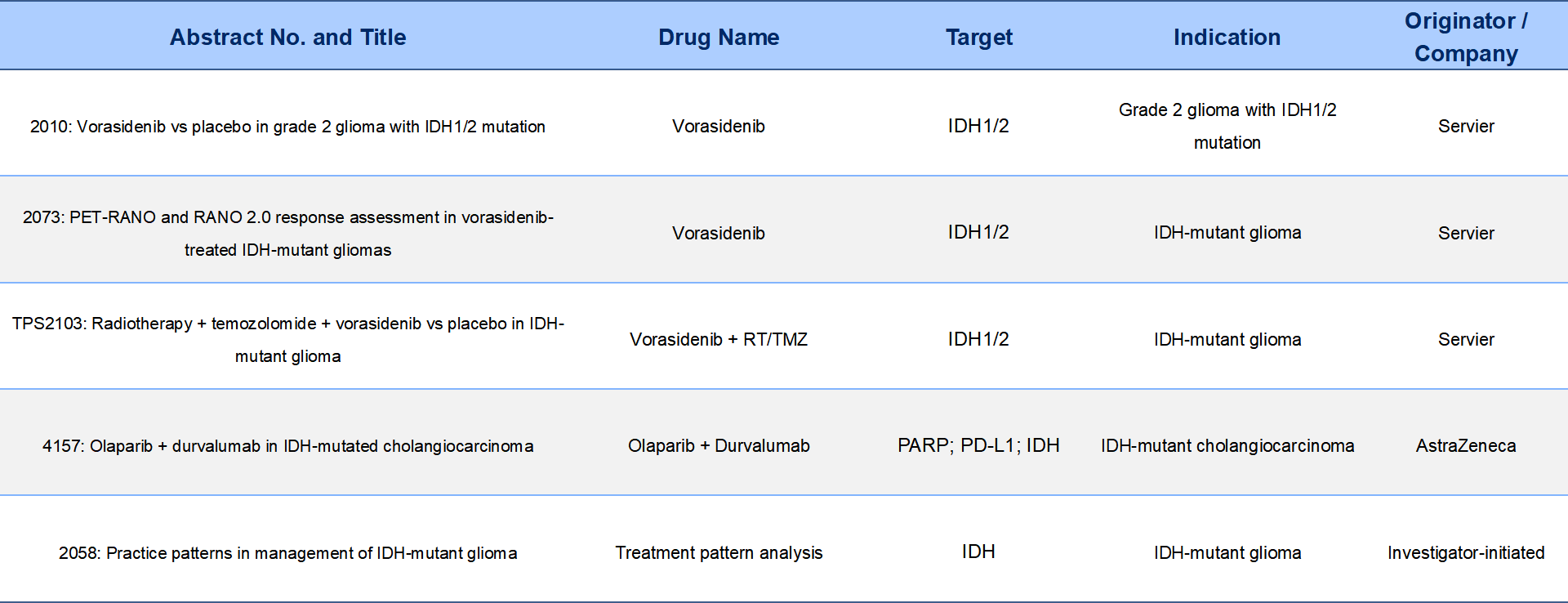
IDH1/2 are important metabolic targets in glioma, AML, and cholangiocarcinoma. At ASCO 2026, Servier’s vorasidenib was a representative therapy for IDH-mutant glioma. Related abstracts included efficacy updates in grade 2 glioma, imaging response assessment criteria, and the design of studies combining vorasidenib with radiotherapy and temozolomide.
IDH-mutant gliomas often follow a prolonged clinical course. Treatment goals therefore extend beyond tumor shrinkage to delaying progression, postponing radiotherapy and chemotherapy, and preserving neurologic function and quality of life. IDH inhibitors such as vorasidenib are important because they translate molecular classification into a long-term disease-control strategy.
Combination studies such as olaparib plus durvalumab also appeared in IDH-mutant cholangiocarcinoma, suggesting potential intersections between IDH alterations, DNA damage repair, and immunotherapy strategies.
13、PI3K/AKT/mTOR
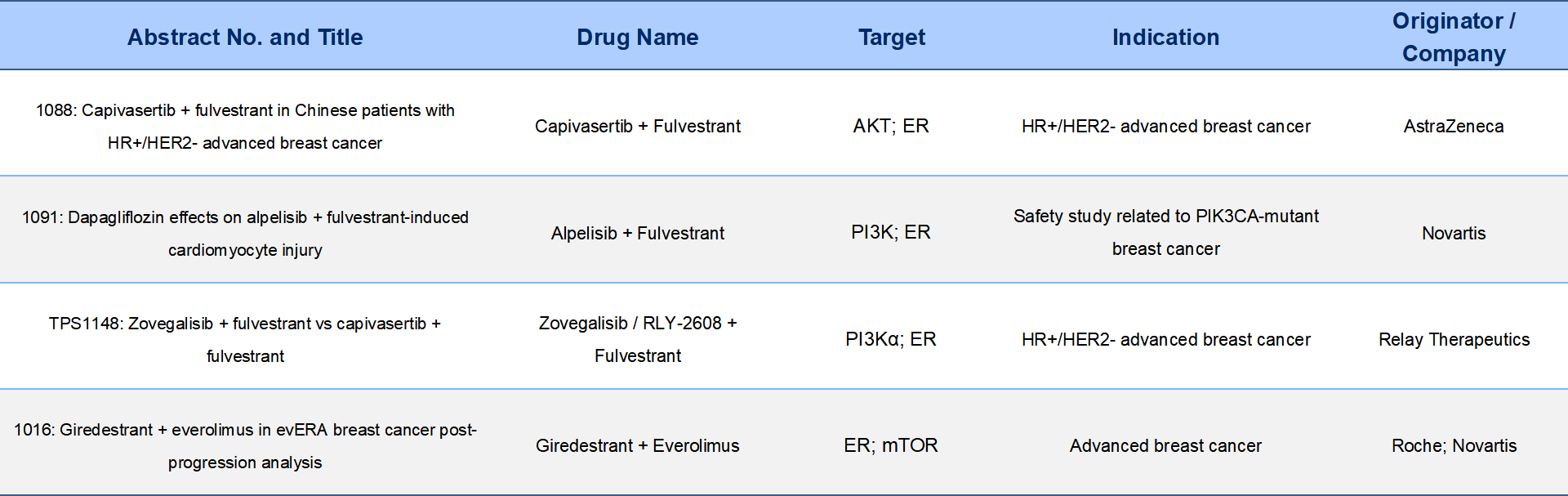
PI3K/AKT/mTOR is a canonical signaling pathway in HR-positive breast cancer and many other solid tumors. At ASCO 2026, research in this pathway was primarily associated with ER targeting, progression after CDK4/6 inhibitors, PIK3CA mutations, and endocrine-based combination therapy.
AstraZeneca’s capivasertib plus fulvestrant in advanced HR-positive, HER2-negative breast cancer represents the combination of AKT inhibition with ER-directed therapy. Novartis’ alpelisib plus fulvestrant is an established strategy for PIK3CA-mutant breast cancer. Relay Therapeutics’ zovegalisib/RLY-2608 plus fulvestrant illustrates the continued evolution of selective PI3Kalpha inhibitors.
In the mTOR field, giredestrant plus everolimus also demonstrates continued efforts to identify combination opportunities through the PI3K/AKT/mTOR pathway after ER-directed therapy.
14、PSMA/FOLH1
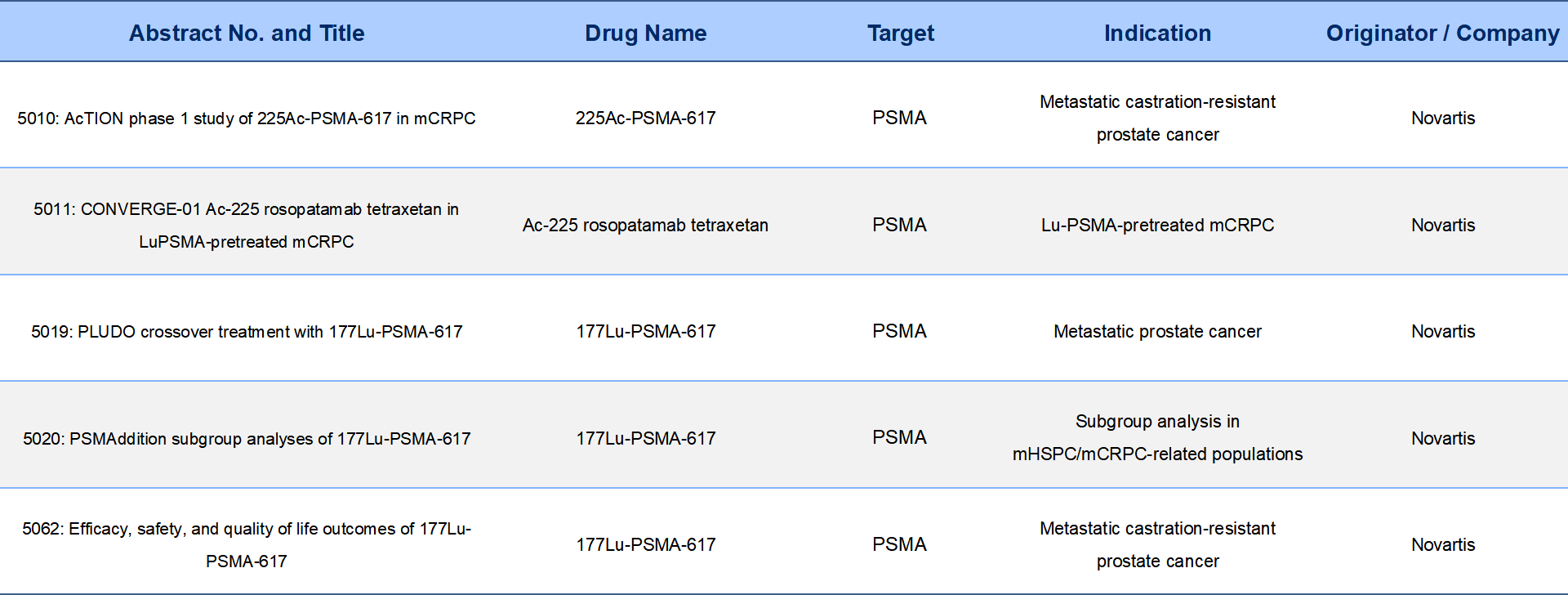
PSMA is one of the most representative targets in the integration of diagnosis and therapy for prostate cancer. Although PSMA is not a conventional small-molecule target, it exemplifies the integration of molecular imaging, patient selection, and radioligand therapy in precision oncology.
Novartis’ 177Lu-PSMA-617 is a representative PSMA-targeted radioligand therapy. At ASCO 2026, PSMA-related studies covered different radionuclides and drug formats, including 177Lu-PSMA-617, 225Ac-PSMA-617, and Ac-225 rosopatamab tetraxetan. The principal indications were metastatic castration-resistant prostate cancer and earlier disease settings.
Unlike AR pathway agents, PSMA-targeted therapy does not primarily block a tumor growth signal. Instead, it uses PSMA expression to deliver a radioactive payload selectively to tumor cells.
Beyond the Targets: Lead Molecule Resources to Accelerate Innovative Drug Development
From EGFR, RET, and KRAS to ER, AR, FGFR, and IDH1/2, ASCO 2026 once again emphasizes a major trend: precision oncology is moving beyond the identification of oncogenic drivers toward increasingly refined patient stratification and mechanistic research.
High-quality antibody molecules remain indispensable research tools for discovering new targets, elucidating resistance mechanisms, and developing companion diagnostics. Whether used for membrane protein expression analysis, functional mechanism validation, or studies of drug action, reliable target-binding molecules directly influence research and development efficiency.
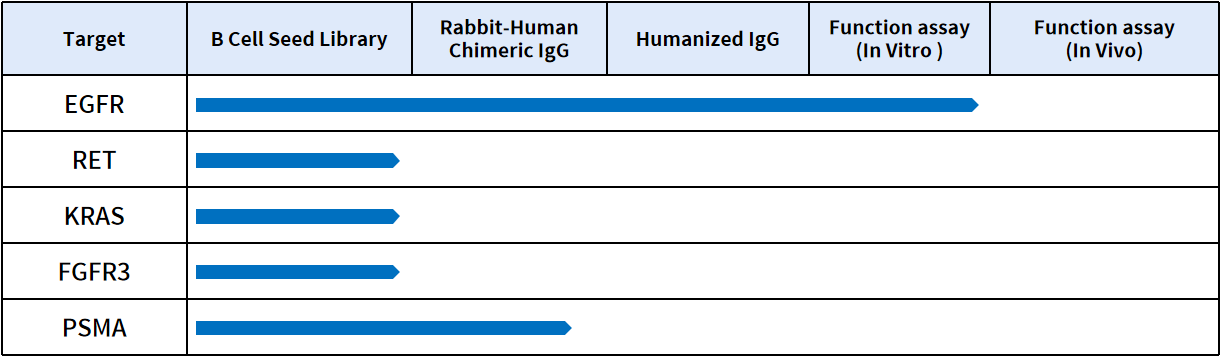
For high-priority targets in precision oncology, DIMA Biotechnology has established a lead antibody library covering EGFR, RET, FGFR3, B7-H3, PSMA, and other targets. These resources support target validation, mechanistic studies, functional assays, and subsequent drug development.
Selected research progress on lead molecules for precision oncology-related targets is presented below: