Topics Archives: GPCR Target

GPCR Target Landscape: From CXCR4 to GPRC5D Which GPCR Targets Are Gaining Momentum in oncology at 2026 AACR

[AACR 2026] From CXCR4 to GPRC5D: Which GPCR Targets Are Gaining Momentum in Oncology

AACR 2026 trends clearly indicate a turning point. GPCR-related research is rapidly expanding beyond traditional small-molecule receptor modulation into tumor microenvironment regulation, Treg depletion, antibody-drug conjugates (ADCs), bispecific antibodies, multispecific biologics, and radiopharmaceuticals.

Blog , 2026-03-31

GPR84: A Key Medium-Chain Fatty Acid Receptor Linking Metabolism and Immunity

Immunometabolism has emerged as a key frontier in drug discovery, with GPR84 gaining attention as a medium-chain fatty acid receptor linking metabolism and immune regulation. It plays a dual role by enhancing macrophage phagocytosis and anti-tumor immunity, while also promoting inflammation through NLRP3 inflammasome activation. Despite its clear biological significance and involvement in the tumor microenvironment, the clinical development of GPR84-targeted therapies remains challenging, highlighting the need for a deeper understanding of its structure, signaling, and therapeutic potential.

Blog 2026-03-27

CCR8: A Precision Treg-Depleting Target in the Tumor Microenvironment

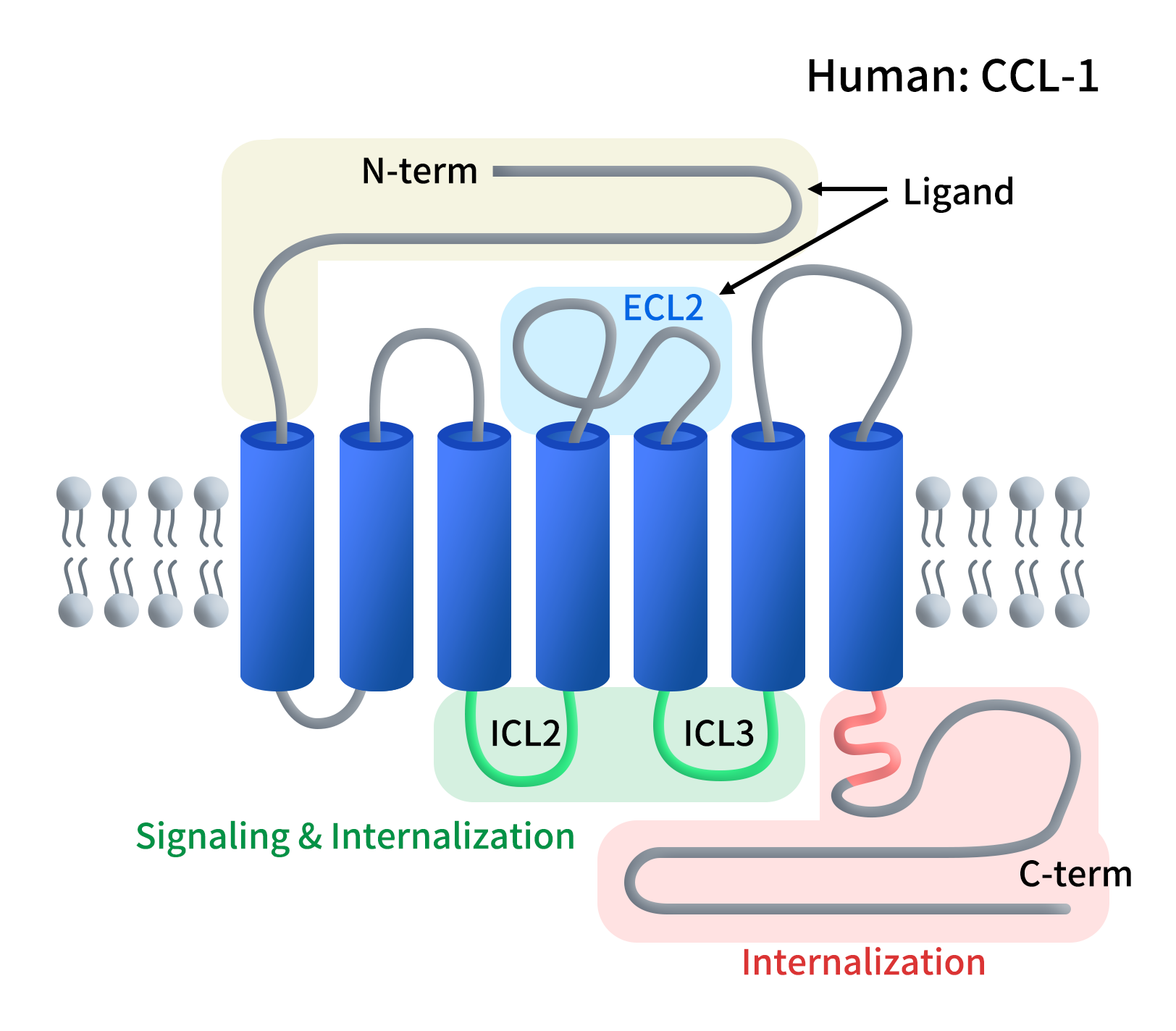
At the 2025 American Society of Clinical Oncology (ASCO) Annual Meeting, innovative therapies targeting CCR8 showed a strong surge. LM-108 from LaiSun Pharma/China National Biotec Group and ICP-B05 from Innocare demonstrated promising efficacy, with significant depletion of tumor-infiltrating Treg cells. Meanwhile, major pharmaceutical companies including Bristol Myers Squibb, Agenus, Gilead, and Jounce have made substantial investments in CCR8 programs, highlighting the strategic importance of CCR8 as a key target for overcoming resistance to PD-1/L1 therapies.

Blog , 2026-02-24

TSHR as a Strategic Therapeutic Target in Thyroid Diseases

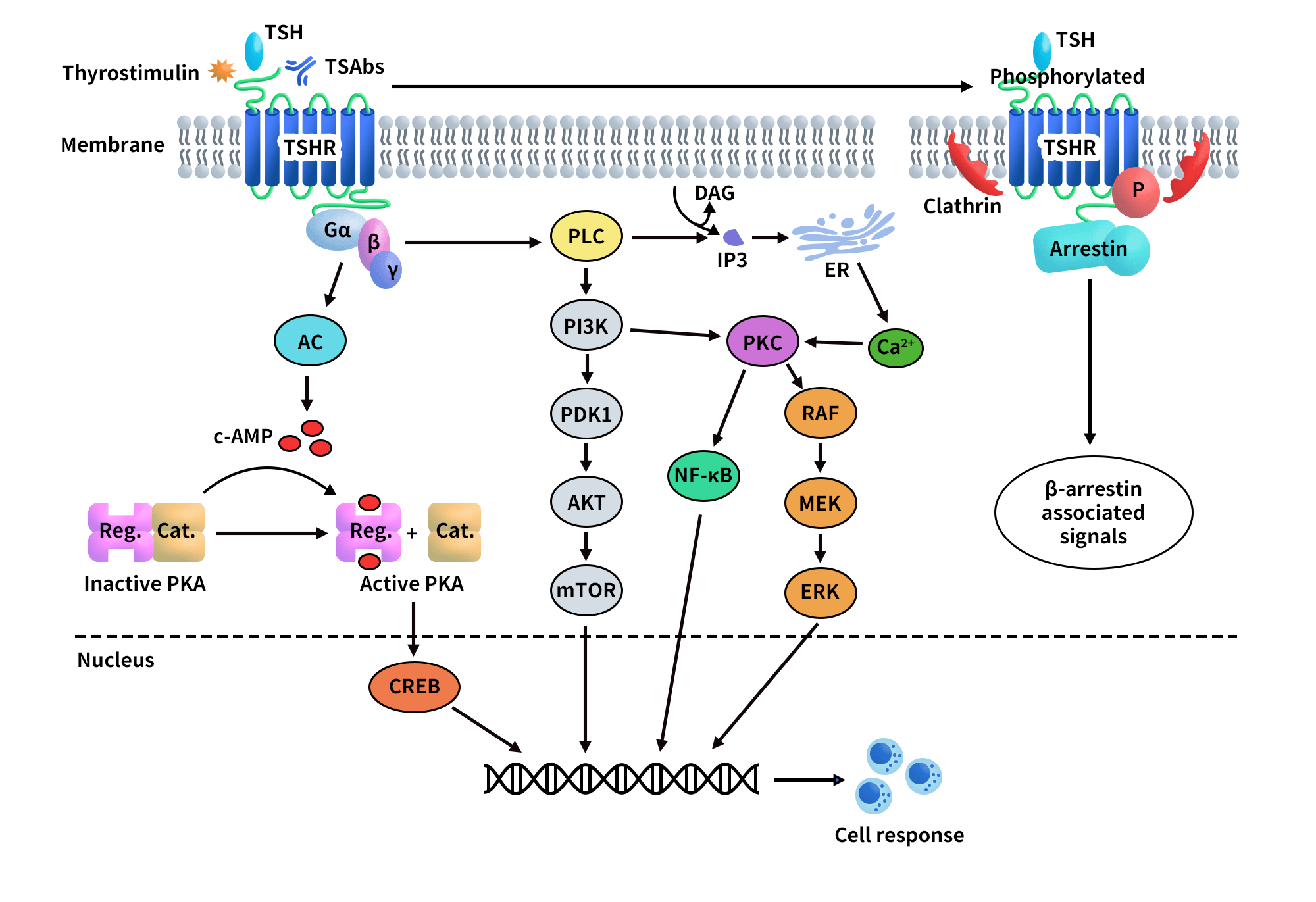
The thyroid-stimulating hormone receptor (TSHR) has re-emerged as a key target in endocrinology and autoimmune disease research. Therapeutic strategies targeting TSHR have expanded rapidly, encompassing blocking monoclonal antibodies, small-molecule antagonists, and novel approaches to modulate pathogenic autoantibodies. Clinical studies demonstrate encouraging safety and early efficacy of TSHR-directed antibodies in Graves’ disease and thyroid eye disease, while orally available antagonists and inverse agonists offer new options for long-term treatment. Importantly, recent findings extend the role of TSHR beyond hyperthyroidism to immunometabolic regulation and thyroid cancer, positioning TSHR as a multidimensional therapeutic target across immunity, metabolism, and oncology.

Blog 2026-01-06

Emerging Chemokine Receptor CXCR7/ACKR3: A Promising Target in Disease Therapy

In recent years, the role of chemokine receptors in immune regulation, tumor development, and tissue repair has attracted increasing attention. C-X-C chemokine receptor type 7 (CXCR7), also known as ACKR3 (Atypical Chemokine Receptor 3), serves as an atypical receptor for CXCL12/CXCL11. Owing to its unique signaling mechanism and functional roles in various diseases, CXCR7 has…

Blog , 2025-08-11

One receptor, two FDA-approved drugs — just how crucial is CXCR4?

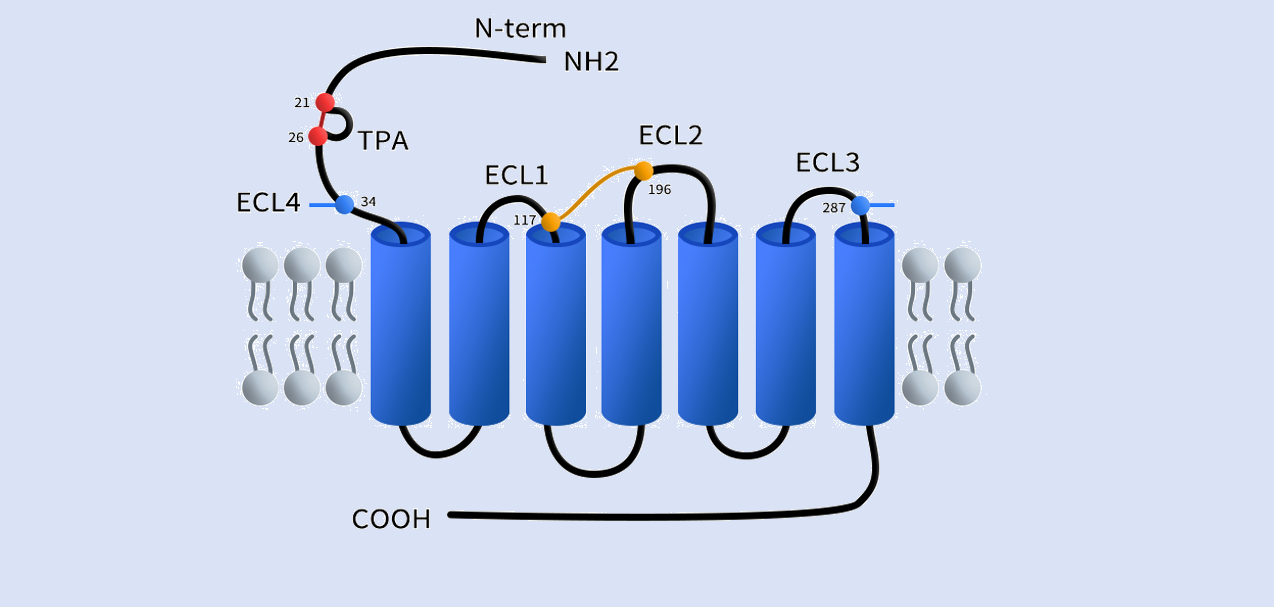
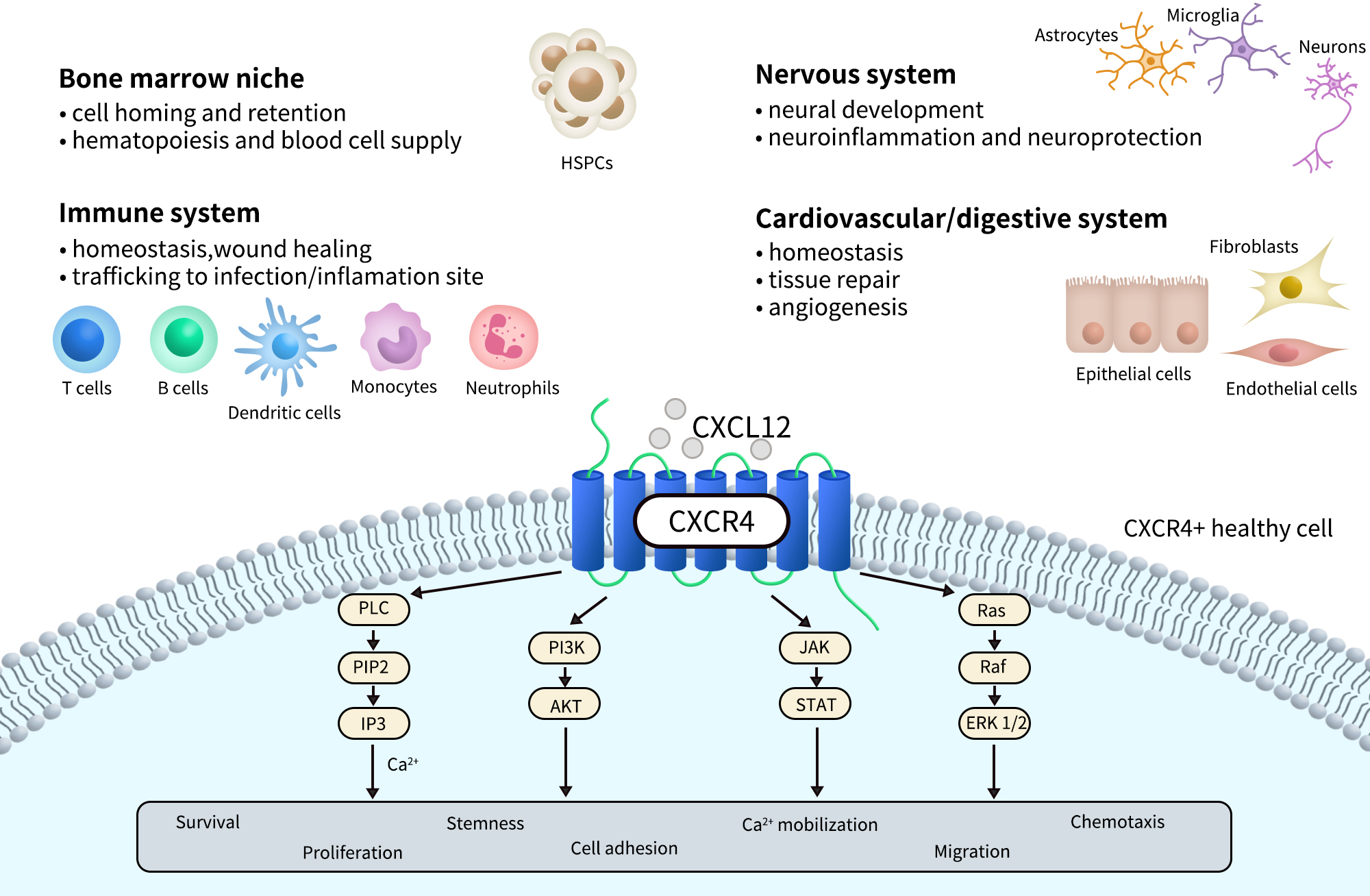
In recent years, the successive approvals of two new drugs have once again brought a chemokine receptor into the spotlight. In 2023, the FDA approved Motixafortide (brand name Aphexda) in combination with long-acting G-CSF for hematopoietic stem cell mobilization in patients with multiple myeloma. Then in 2024, the FDA approved Mavorixafor (Xolremdi) for the treatment…

Blog , 2025-07-03

CCR1: An Emerging Target for Immune Regulation and Drug Development

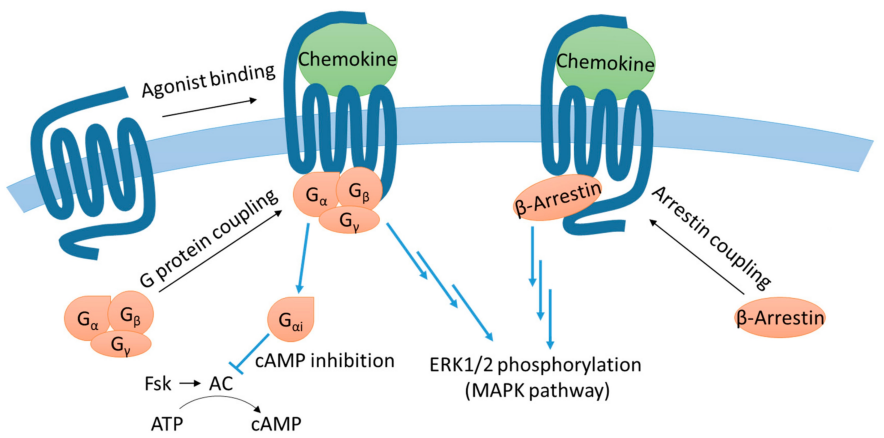
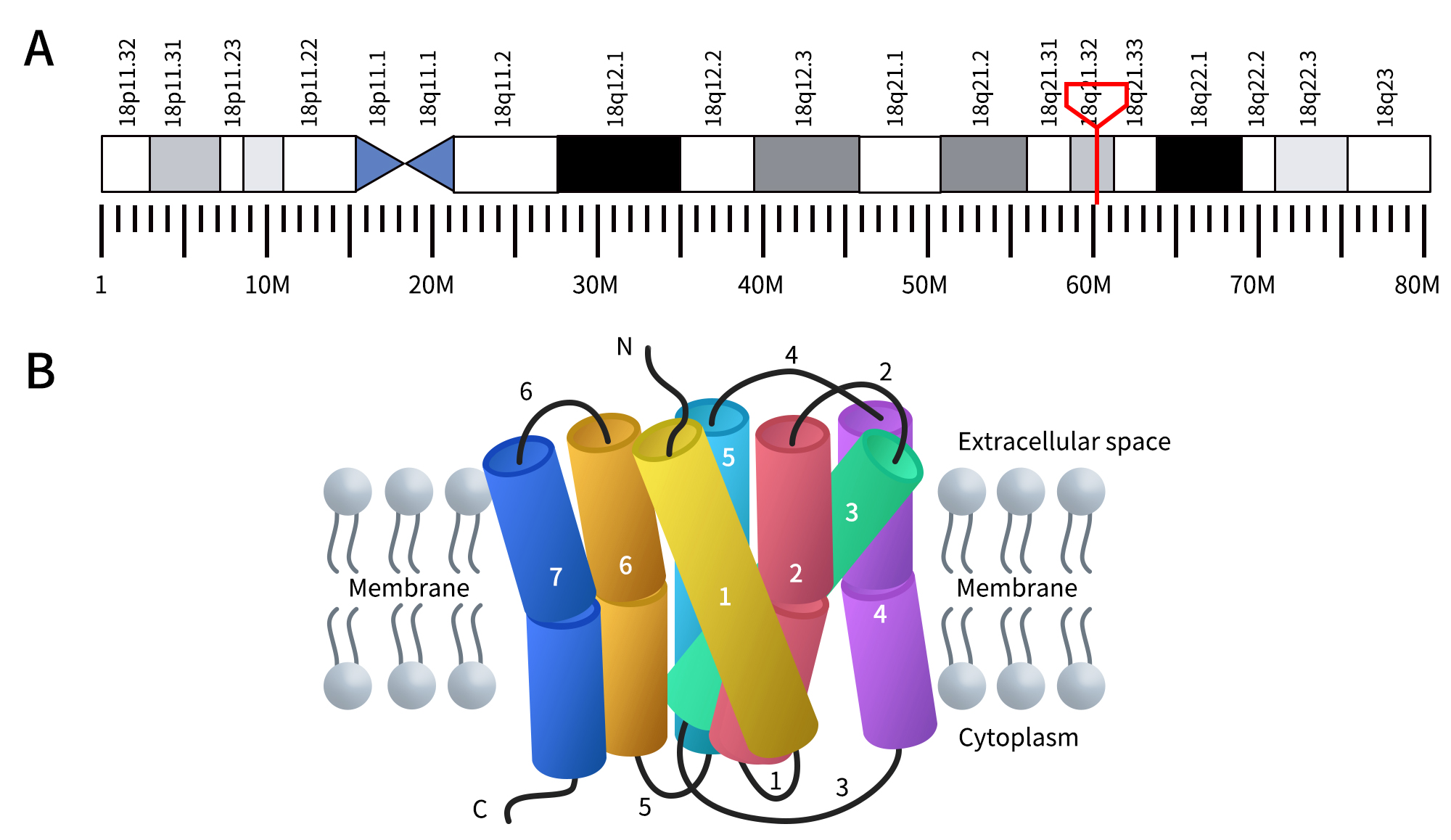
CCR1 (C-C motif chemokine receptor 1) is a G protein-coupled receptor (GPCR) involved in inflammatory responses and immune cell migration. In recent years, with the deepening research on immune-related diseases and the tumor microenvironment, CCR1 has gradually emerged as an important therapeutic target for autoimmune diseases, tumors, and organ fibrosis. 1. Overview of CCR1 Chemokine monomers…

Blog , 2025-06-20

NPY Receptor Family: “New Targets” and “Old Challenges” in Disease Treatment

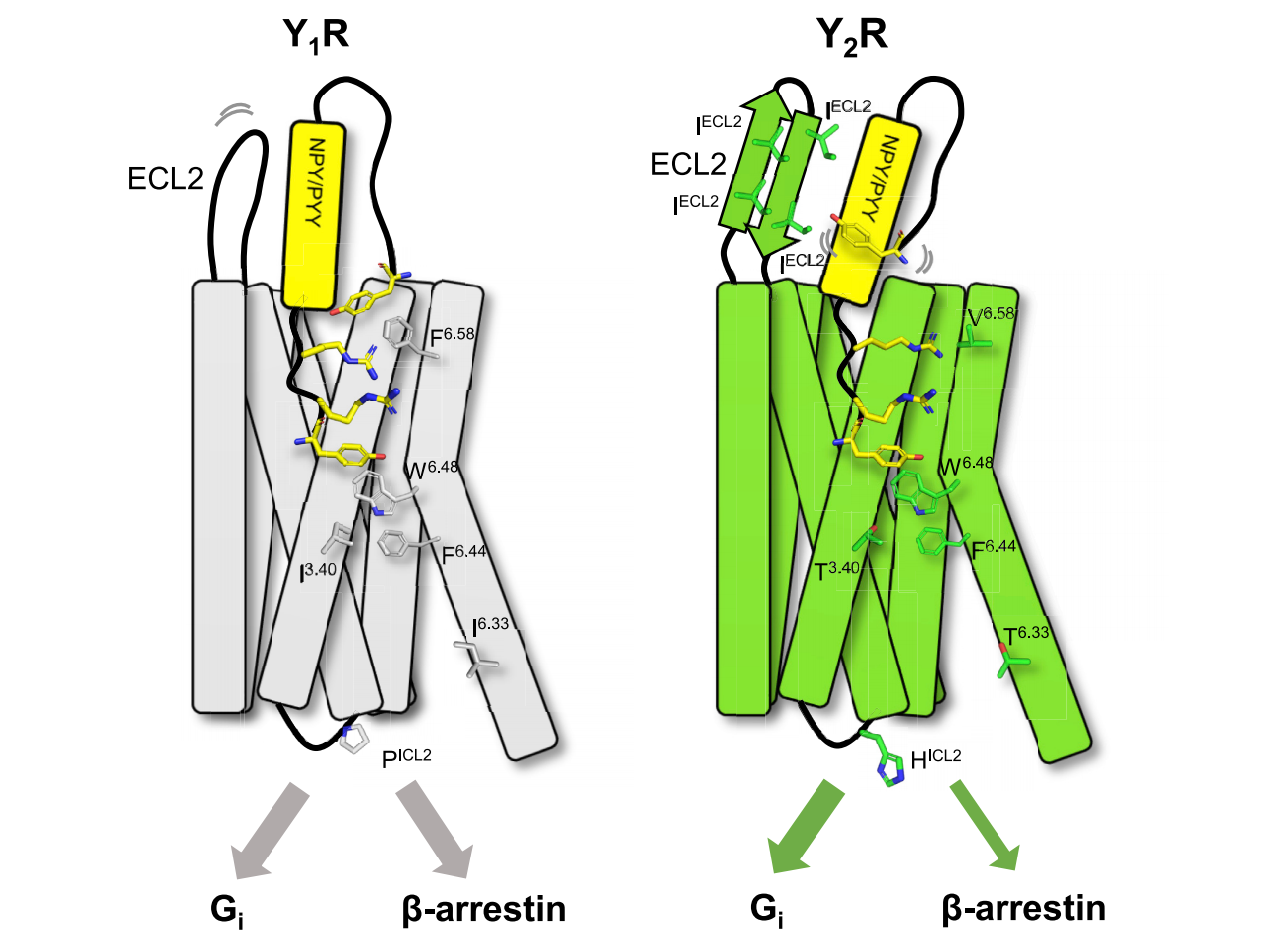
In the drug development efforts targeting complex diseases such as neuropsychiatric disorders, metabolic dysregulation, and cancer, the neuropeptide Y (NPY) receptor family is garnering increasing attention from researchers and pharmaceutical companies alike. As a typical subfamily of G protein-coupled receptors (GPCRs), NPY receptors not only regulate a variety of physiological processes but also play critical…

Blog , 2025-04-28

MC4R: A Niche Target in the Weight Loss Drug Market

On July 16, 2024, Dr. Roger Cone, co-founder of the preclinical biotech company Courage, published a study in The Journal of Clinical Investigation titled “Subthreshold activation of the melanocortin system causes generalized sensitization to anorectic agents in mice.” The research demonstrated the synergistic effect between GLP-1 receptor agonists (GLP1RA) and MC4R agonists, revealing that low…

Blog ,, 2024-09-02

The glucagon receptor (GCGR):A Key Target in Glucose Metabolism

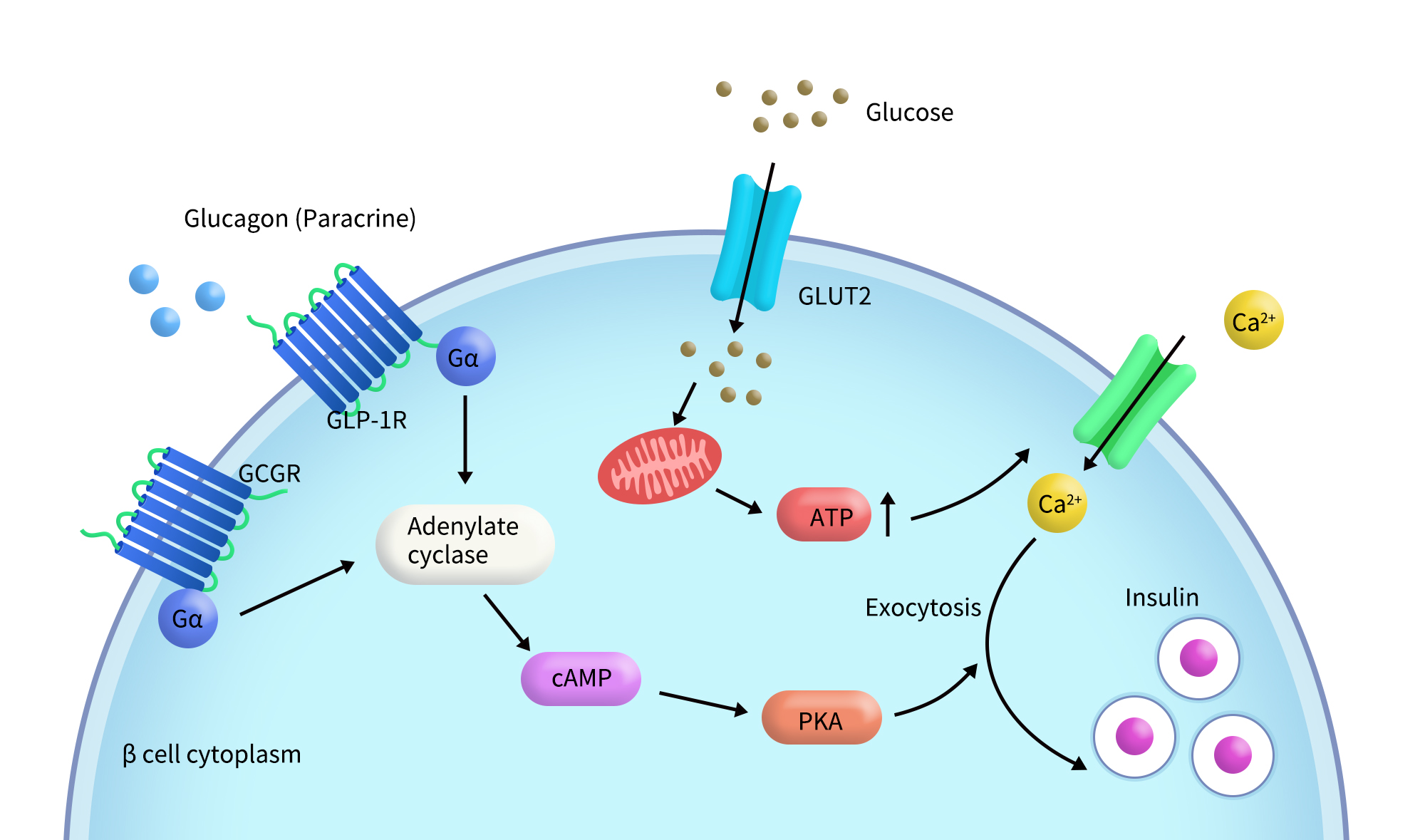
On June 25, 2024, at the 2024 American Diabetes Association (ADA) Scientific Sessions, Suzhou Innovent Biologics and Eli Lilly announced the results of a Phase 3 clinical trialfor the GLP-1R x GCGR dual agonist, Mazdutide. This marks the first Phase 3 clinical trial (GLORY-1) in overweight or obese adults in China。The study’s primary results and exploratory endpoints of liver fat content were disclosed, showing that Mazdutide acts as a dual agonist for both GLP-1R and GCGR. It reduces body weight by suppressing appetite and delaying gastric emptying through GLP-1R activation, while enhancing weight loss efficacy by increasing energy expenditure via GCGR activation. Notably, Mazdutide uniquely promotes fatty acid oxidation and lipolysis in the liver through GCGR activation, thereby improving liver fat metabolism. As GCGR plays a crucial role in glucose metabolism, it has become a hot target in the development of diabetes and weight loss drugs.Let’s delve into the role of  the Glucagon Receptor (GCGR).

Blog ,, 2024-08-29