In oncology drug discovery, G protein-coupled receptors (GPCRs) have long occupied an “awkward” position. Historically, GPCRs represent one of the most successful and druggable target families, accounting for a large proportion of approved drugs. However, within the landscape of cancer innovative therapeutics, GPCR targets have not been as prominent as high-profile targets such as HER2, TROP2, or CLDN18.2.
That said, AACR 2026 trends clearly indicate a turning point. GPCR-related research is rapidly expanding beyond traditional small-molecule receptor modulation into tumor microenvironment regulation, Treg depletion, antibody-drug conjugates (ADCs), bispecific antibodies, multispecific biologics, and radiopharmaceuticals.
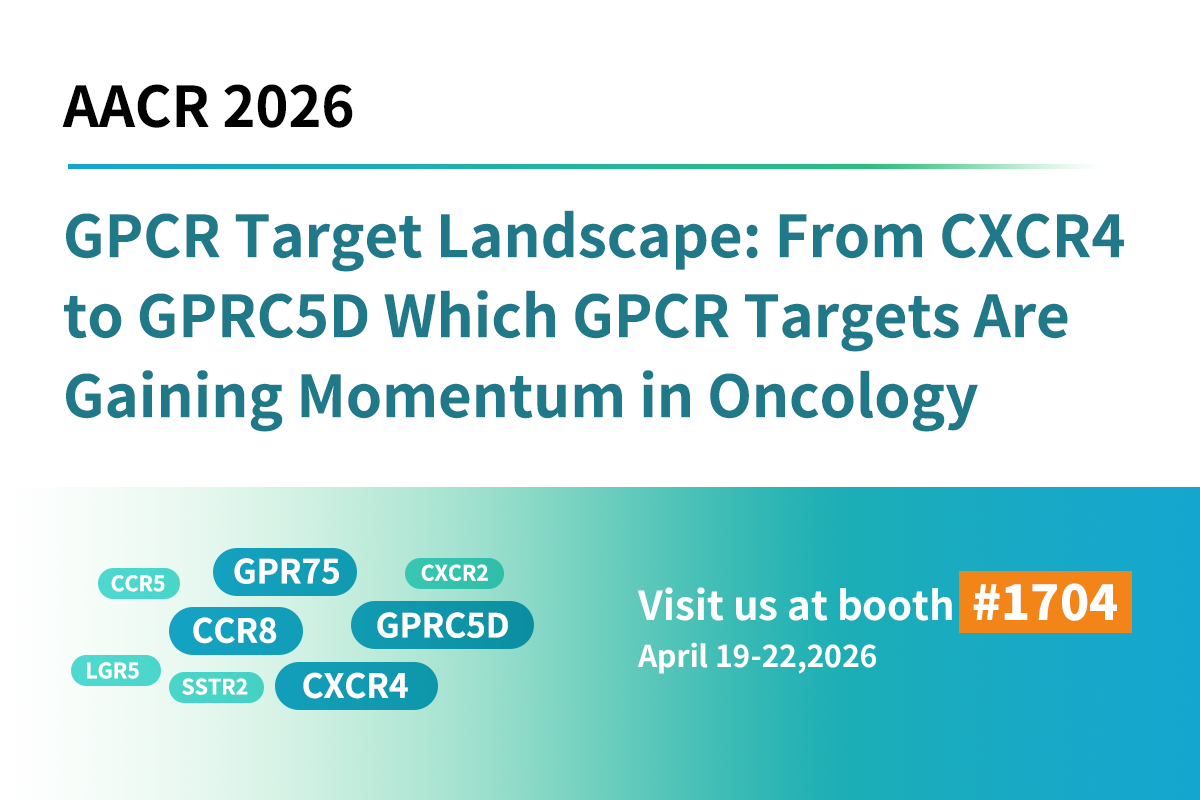
Notably, targets such as CXCR4, SSTR2, CCR8, LGR5, GPRC5D, CCR5, and CXCR2 are showing increasing abstract frequency and, more importantly, clear translational and platform development trajectories.
1. CXCR4: A Mature GPCR Target with Expanding Roles in Metastasis and Tumor Microenvironment
Among GPCR targets, CXCR4 remains one of the most clinically advanced and biologically validated. Its role in cancer spans cell migration, bone marrow homing, metastasis, drug resistance, and tumor microenvironment remodeling, making it highly attractive for both mechanistic studies and clinical translation.
At AACR 2026, the focus has shifted from “whether to target CXCR4” to patient stratification, combination therapy strategies, and identification of responder populations. Key highlights include:
- Clinical signals from Motixafortide, reinforcing CXCR4 inhibition strategies
- Emerging pipeline assets such as TNX-1700
- Continued exploration of CXCR4-related signaling pathways in metastasis and microenvironment modulation
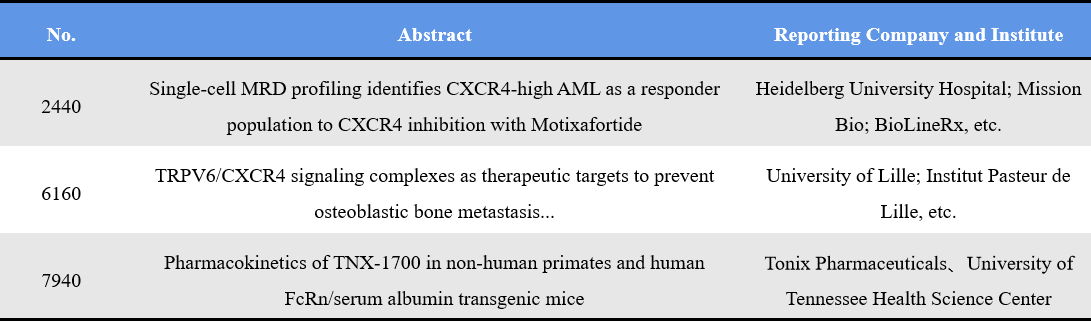
These developments confirm that CXCR4 remains a highly active and evolving GPCR target in oncology drug development. Representative abstracts include:
2. SSTR2: From Radiopharmaceutical Benchmark to a Broad Conjugation Platform Target
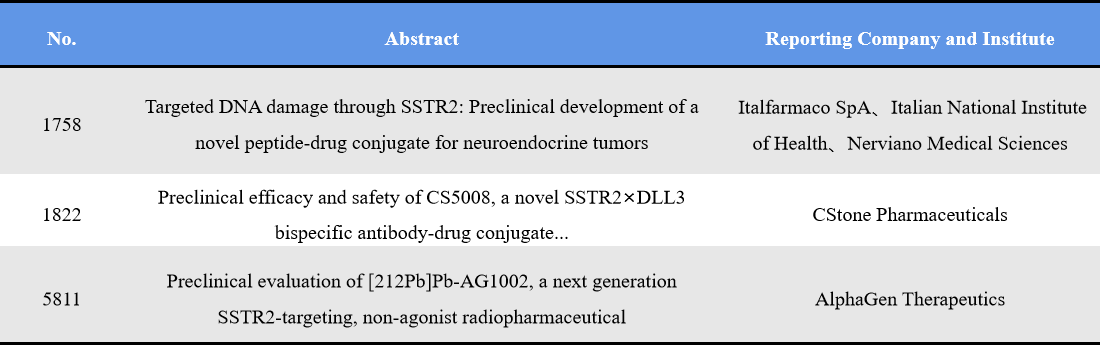
Somatostatin receptor 2 (SSTR2) has long been recognized as a gold-standard GPCR target in radioligand therapy, particularly for neuroendocrine tumors. However, AACR 2026 reveals a significant expansion of its development scope, such as peptide-drug conjugates (PDCs), bispecific ADCs (e.g., SSTR2×DLL3), and next-generation radiopharmaceuticals.
Companies such as Italfarmaco, Cornerstone Pharmaceuticals, and Shanghai Nuclear Medicine platforms are actively advancing pipelines, suggesting that SSTR2 is evolving into a versatile delivery platform for targeted therapeutics, rather than being limited to imaging or radionuclide therapy. Representative abstracts include:
3. CCR8: A Rising GPCR Target for Treg Depletion and Tumor Immune Modulation
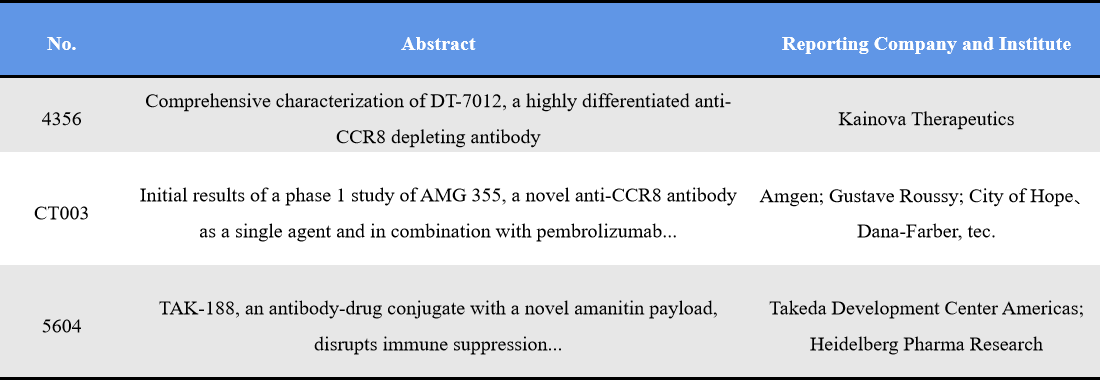
Among GPCR targets at AACR 2026, CCR8 stands out as a key player in next-generation immuno-oncology strategies. CCR8 is highly expressed on tumor-infiltrating regulatory T cells (Tregs), making it an ideal target for selective Treg depletion and immunosuppressive tumor microenvironment remodeling. Key trends include development of depleting anti-CCR8 antibodies, early-phase clinical trials (e.g., AMG 355), and expansion into ADC-based strategies (e.g., TAK-188 with amanitin payload).
Major players such as Amgen, Takeda, and Kainova Therapeutics highlight that CCR8 is rapidly transitioning from concept to clinical validation and platform expansion. Representative abstracts include:
LGR5: From Cancer Stem Cell Marker to ADC and Bispecific Target
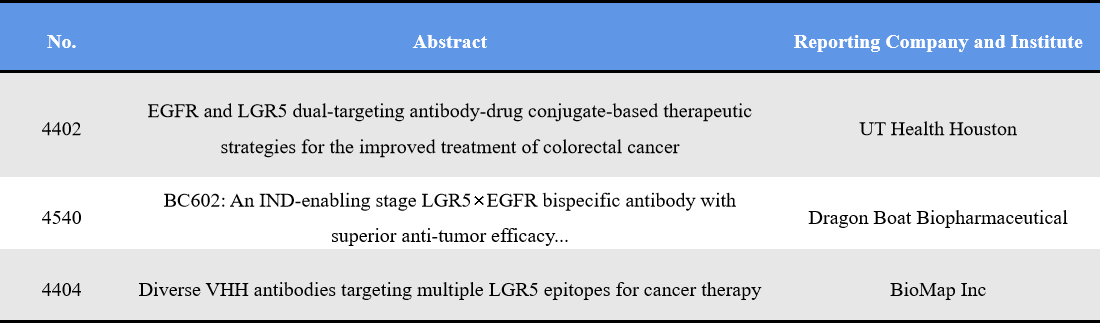
LGR5, traditionally known as a cancer stem cell marker, is now emerging as a drug development target in solid tumors. AACR 2026 shows clear progress toward LGR5-targeted ADCs, EGFR×LGR5 bispecific antibodies, and VHH-based antibody approaches.
This shift indicates that LGR5 is moving beyond academic interest toward practical therapeutic applications, especially in colorectal cancer and other solid tumors. Representative abstracts include:
5. GPRC5D: One of the Hottest GPCR Targets in Multiple Myeloma
In hematologic malignancies, GPRC5D has become a next-generation target following BCMA, particularly in multiple myeloma (MM).
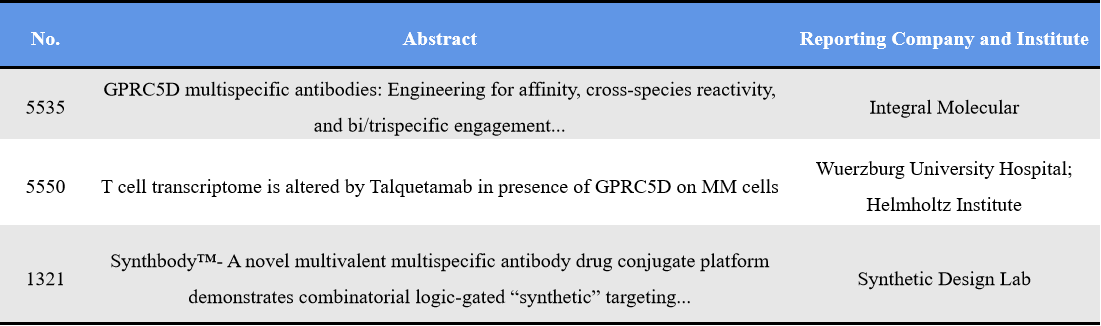
At AACR 2026, clinical relevance is supported by Talquetamab, increasing focus on multispecific antibodies and T-cell engagers, and emerging multivalent and logic-gated ADC platforms.
Companies like Integral Molecular and Synthetic Design Lab are driving innovation, signaling that competition is shifting toward molecular optimization and platform differentiation. Representative abstracts include:
6. CCR5: Repositioning a Classic GPCR Target in Oncology
Unlike newer GPCR targets, CCR5 is a well-established target in inflammation and infectious diseases. However, AACR 2026 highlights its renewed potential in oncology.
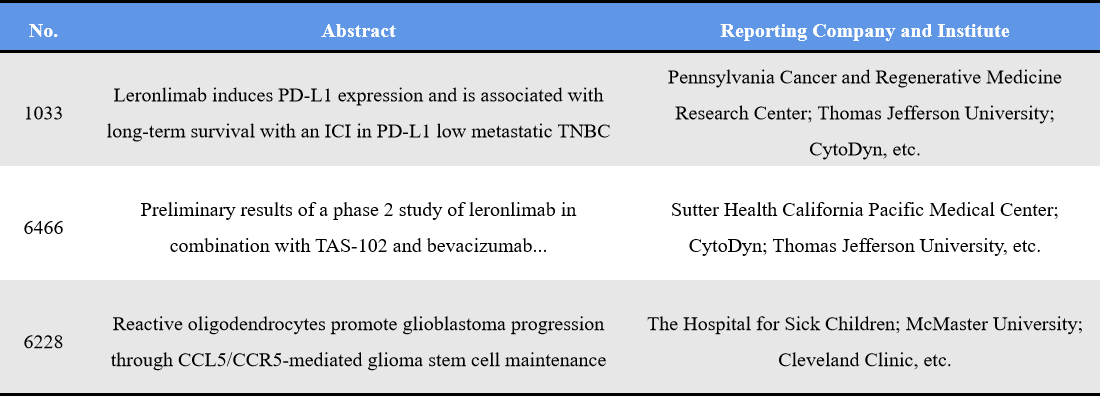
Key developments include: repurposing of leronlimab and maraviroc, combination strategies with chemotherapy, anti-angiogenic agents, and immunotherapy, and roles in tumor microenvironment regulation and metastasis.
This represents a classic case of “old target, new applications”, with strong translational potential. Representative abstracts include:
7. CXCR2: A Key Node in Tumor Inflammation and Myeloid Cell Recruitment
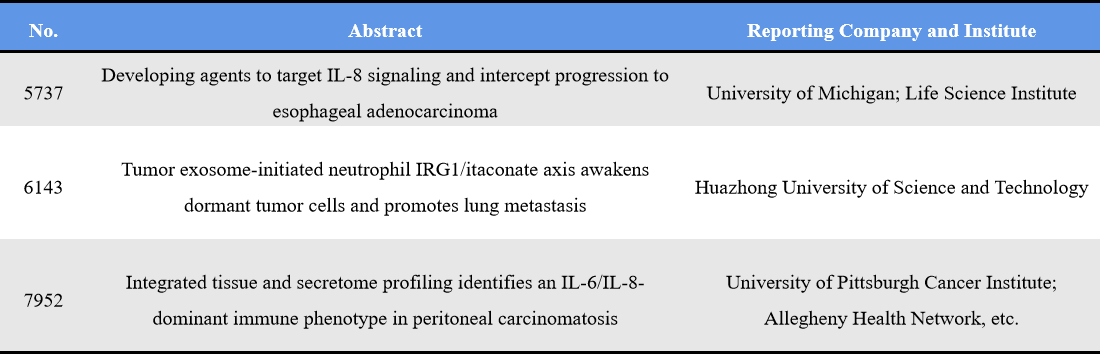
Although not the most frequent GPCR target at AACR 2026, CXCR2 research is highly focused. Core areas include: IL-8 signaling pathways, neutrophil recruitment, and tumor inflammation and dormancy reactivation.
CXCR2 plays a critical role in connecting tumors with the myeloid immune system, making it highly suitable for combination therapies with immuno-oncology and microenvironment-targeting strategies. Representative abstracts include:
8. DRD1: Neurotransmitter Signaling Meets Cancer Epigenetics
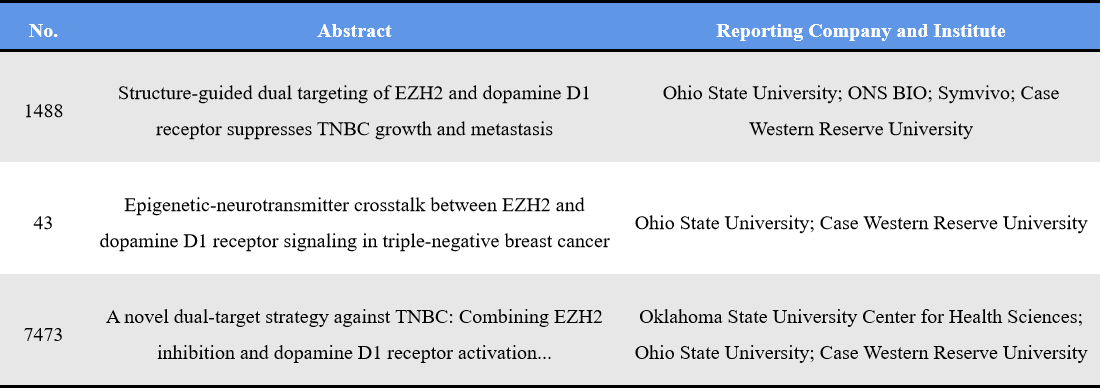
Dopamine receptor D1 (DRD1) represents an emerging and forward-looking GPCR target. AACR 2026 highlights interaction between DRD1 signaling and EZH2-mediated epigenetic regulation, implications in triple-negative breast cancer (TNBC), and novel dual-target strategies combining epigenetic modulation and neurotransmitter pathways.
Although still at an early stage, this direction reflects a growing interest in neurotransmitter-cancer crosstalk, opening new avenues for oncology drug discovery. Representative abstracts include:
AACR 2026 clearly demonstrates that GPCRs are no longer limited to small-molecule drug discovery. Instead, they are increasingly integrated into modern therapeutic modalities, including: antibodies and ADCs, bispecific and multispecific biologics, radiopharmaceuticals and tumor microenvironment modulation strategies. Different GPCR targets are aligning with distinct therapeutic paradigms:
- CXCR4, CCR8, CCR5 and CXCR2 are aligning with immune and microenvironment regulation;
- SSTR2 is aligning with radiopharmaceutical and conjugation platform expansion;
- LGR5 and GPRC5D are sligning with antibody engineering, ADCs, and multispecific formats.
If the previous consensus was that “GPCRs have potential but are not mainstream in oncology,” AACR 2026 suggests that a subset of GPCR targets is now firmly entering the core landscape of innovative cancer drug development.
9. DIMA BIOTECH Accelerates GPCR Drug Discovery with Nanodisc Membrane Protein Platforms and Ready-to-Use Antibody Sequences
Nanodisc technology has become an essential tool in membrane protein research, addressing key challenges in expression, purification, and functional characterization of GPCRs and ion channels.
Nanodiscs can be classified into MSP-based Nanodiscs (membrane scaffold protein), polymer-based synthetic Nanodiscs, and peptide-based Nanodiscs (PeptiNanodiscs).
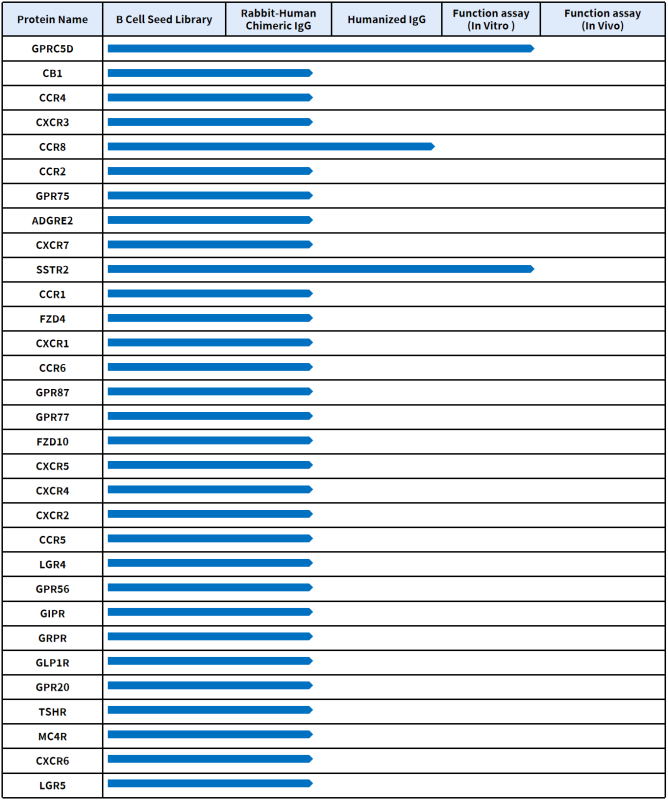
DIMA BIOTECH’s proprietary Nanodisc membrane protein platform utilizes mammalian expression systems to produce recombinant membrane proteins that closely mimic their native structure and function, significantly improving research success rates and accelerating drug discovery. To date, DIMA BIOTECH has developed 500+ full-length multi-pass membrane proteins, covering across GPCRs, ion channels, and other high-value drug targets.
Click to view all the Nanodisc products from DIMA BIOTECHIn addition, leveraging its single B-cell antibody discovery platform, DimaBio has generated functional antibody sequences against GPCRs and ion channels, enabling researchers to access sequences within one day for rapid functional validation. For full Nanodisc product catalogs and GPCR antibody sequence data, please contact us for more information.